Semiconductor History | Yamaha Toyooka — SCSP Bridges FM and Sampled Sound
volume_up
Listen
directions
Directions
On November 22, 1994, Sega released the Saturn in Japan. Its sound system paired a Motorola 68EC000 control processor with Yamaha's YMF292-F, sold under Sega part number 315-5687 and known as the Saturn Custom Sound Processor, or SCSP.
SCSP carried 32 programmable sound slots that could play 8-bit or 16-bit PCM samples or be linked for FM synthesis. An internal digital signal processor added effects such as reverb and chorus, while the mixer could combine generated sound with audio arriving from the Saturn's CD drive.
The architecture separated sound from the console's two main SH-2 processors. Sega's overview manual shows the main system loading programs and waveform data into sound memory, after which the 68EC000, SCSP, and dedicated memory could continue audio work with less intervention from the game CPUs.
The good was range. A developer could treat SCSP as a sample player, a synthesizer, an effects processor, or some combination of the three, and could position and alter sounds while graphics and game logic continued elsewhere.
The same basic audio design also fit Sega's arcade strategy. Saturn shared a hardware relationship with the ST-V arcade board, and Yamaha's SCSP appeared in other Sega arcade systems, allowing tools and sound knowledge to travel between the living room and the amusement floor.
The bad was that flexibility consumed resources and attention. FM patches used the same 32-slot pool as sampled voices, so adding operators to make one tone richer reduced the slots left for other music and effects.
Programmers also had to coordinate another processor, its code, waveform transfers, the DSP, and only 4 megabits of sound RAM. A sophisticated soundtrack therefore depended on good authoring tools and careful scheduling; impressive specifications could remain underused when a team chose simpler streamed or CD audio.
SCSP captures Yamaha's transition from discrete FM chips toward programmable audio subsystems. Dreamcast's later AICA doubled the slot count to 64 and added ADPCM while abandoning SCSP's FM mode, evidence that sampled sound and software control were becoming more important than preserving a hardware-synthesis lineage.
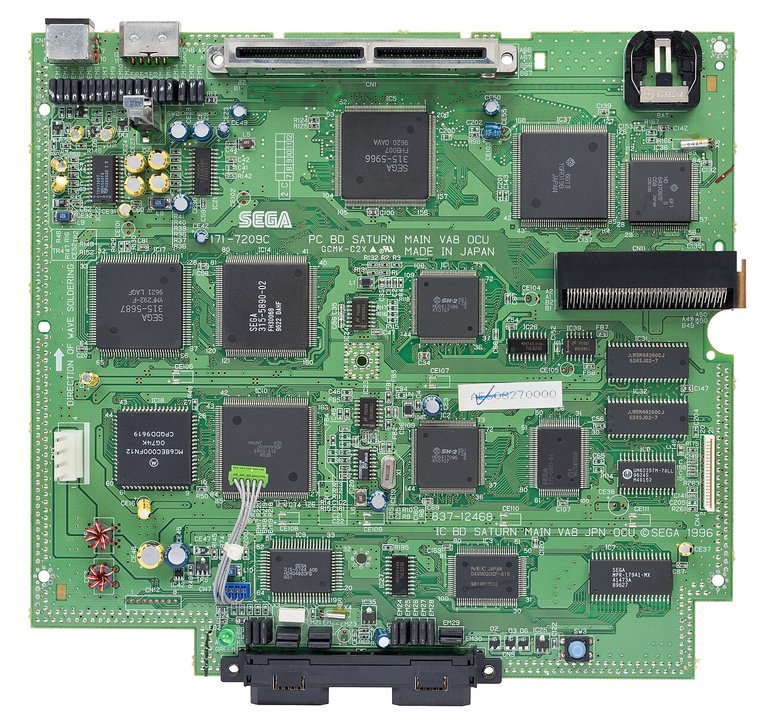
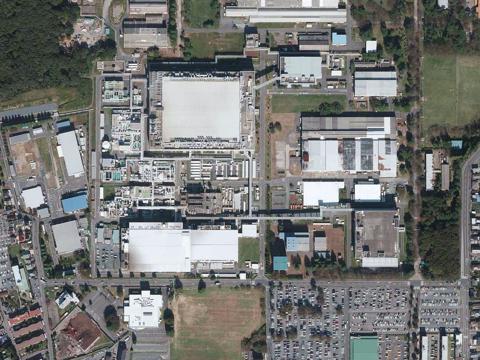
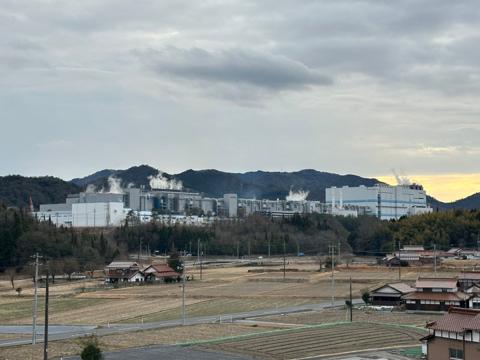
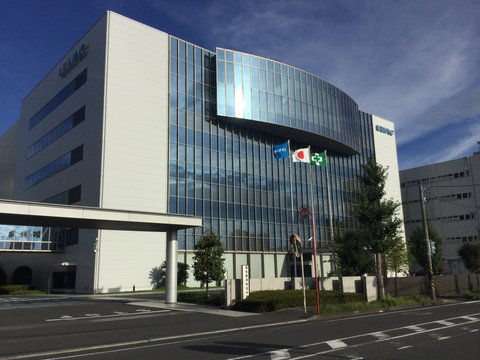
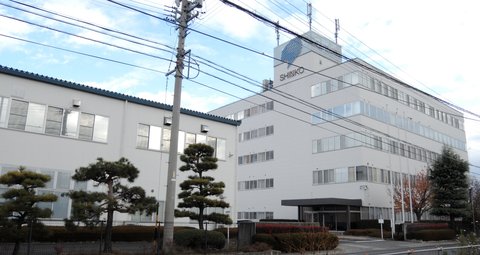
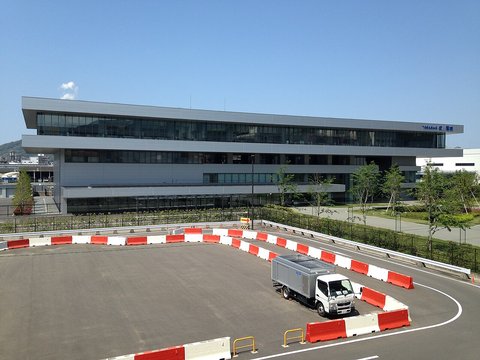
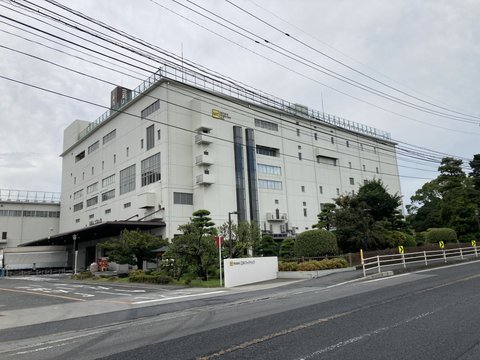
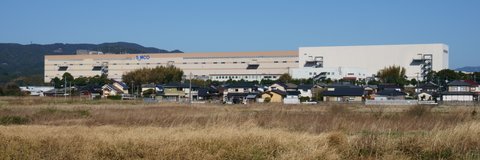
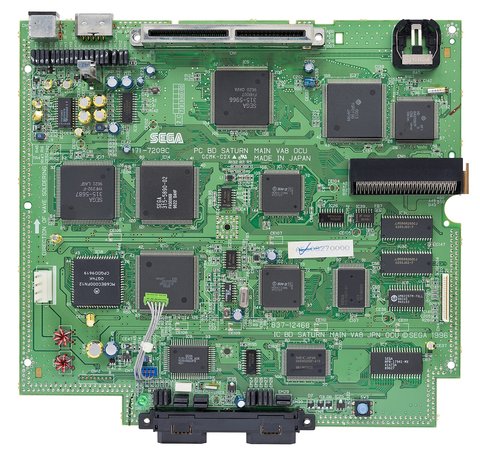
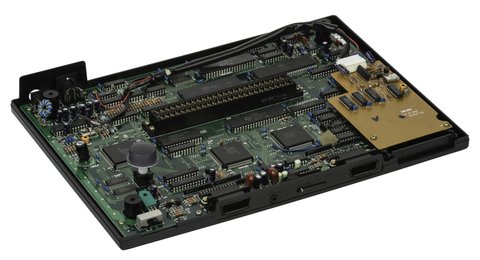
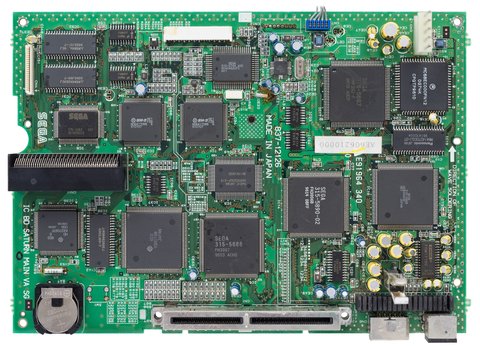
The pin marks Yamaha's verified Toyooka semiconductor anchor, not SCSP's exact design room or a documented fabrication line. The cover shows a later American VA8 board; its 315-5687 package is visible at left center, but the photograph does not document Japan's launch hardware.
Sources: Sega, Saturn hardware history and specifications; Sega, Saturn Overview Manual and PAL service manual; Los Angeles Times, contemporary 10 October 1994 launch report; MAME Saturn hardware implementation; Yamaha, “A Full-blown LSI and Electronics Business” and Toyooka location page.
Photo: “Sega-Saturn-Motherboard,” Evan-Amos, public domain, via Wikimedia Commons. https://commons.wikimedia.org/wiki/File:Sega-Saturn-Motherboard.jpg



 expand_more