
- Home
- Semiconductor History | Japan | From Nihonbashi to Chitose
- Semiconductor History | AKM Hibiya — Fifty Billion Magnetic Eyes, Then a Factory Fire
Semiconductor History | AKM Hibiya — Fifty Billion Magnetic Eyes, Then a Factory Fire
· 1974
Personal memoryBy kevin · · Report an issue

Find memories left by people near you.
Distribute Bounty
This will distribute the bounty equally among all qualifying memories. This action cannot be undone.
Cancel Bounty
Are you sure you want to cancel this bounty? The remaining amount will be refunded to your account.
Success!
Operation completed successfully.
Error
Something went wrong.
Semiconductor History | AKM Hibiya — Fifty Billion Magnetic Eyes, Then a Factory Fire
kevin
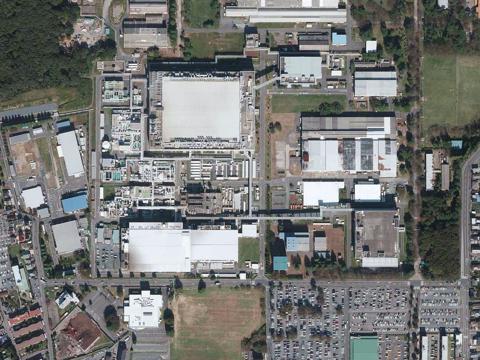
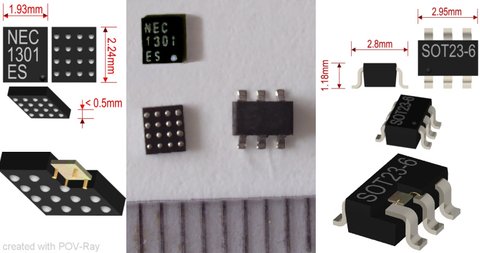
In 1974, the semiconductor business now called Asahi Kasei Microdevices began developing sensors for automotive airbags, the starting point of its Hall-sensor technology. It launched the magnetic-sensor business in 1980 and later built Hall elements and integrated circuits from compound semiconductors including indium antimonide, indium arsenide, and gallium arsenide.
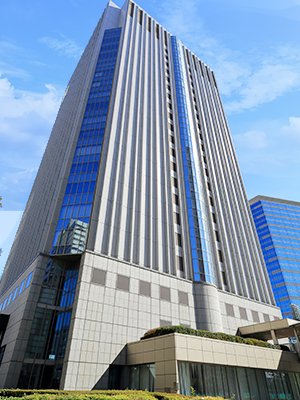
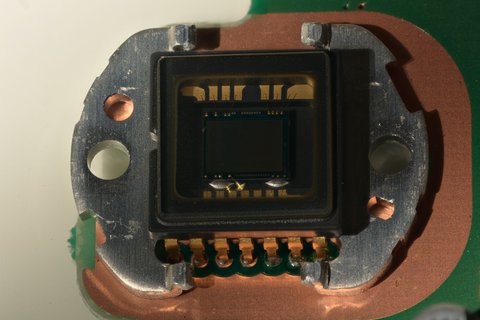
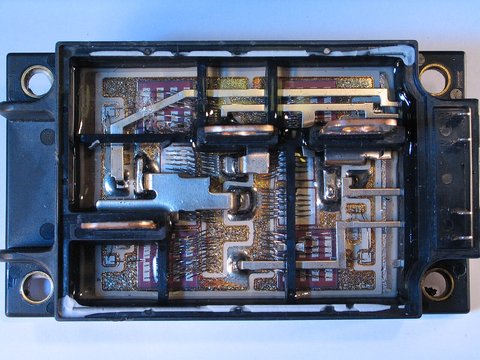
A Hall element converts a magnetic field into an electrical signal without mechanical contact. Hidden beside motors, lenses, switches, and current paths, these tiny devices can report rotation, position, proximity, or current; AKM says cumulative Hall-sensor shipments have exceeded 50 billion.
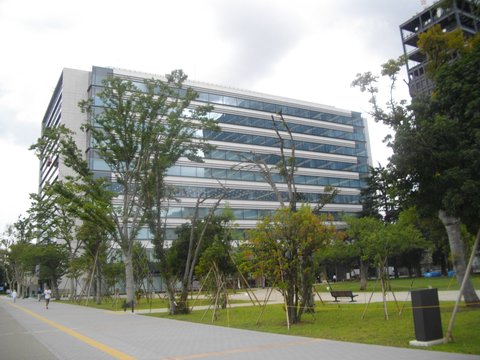
The good was a quiet, durable specialty. Molecular-beam epitaxy let AKM build compound-semiconductor layers with atomic-scale control, while decades of analog design and customer support carried the sensors from automotive work into air conditioners, washing machines, cameras, smartphones, and industrial equipment. Enormous volume turned an almost invisible component into a durable semiconductor franchise.
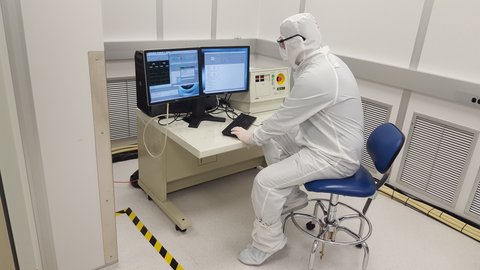
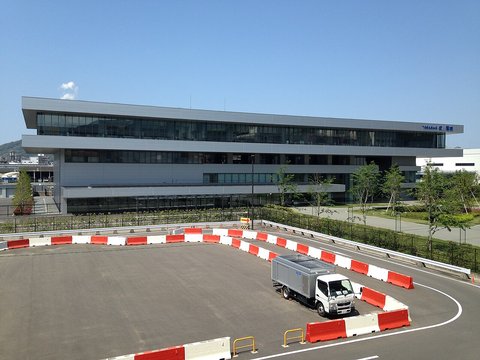
The bad became visible on October 20, 2020, when a fire severely damaged AKM’s semiconductor factory in Nobeoka. Asahi Kasei reported that cleanroom airflow delayed ordinary smoke detection and that flammable plastic inside equipment helped the fire develop; production stopped, customers had to switch products or seek alternative manufacturing, and the damaged LSI facility never returned to that role. The group later reviewed all 216 of its cleanrooms and adopted stronger standards for early detection and extinguishing equipment, a reminder that clean production space can also conceal an escalating hazard.
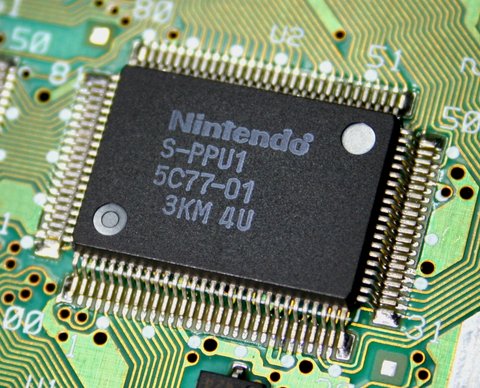
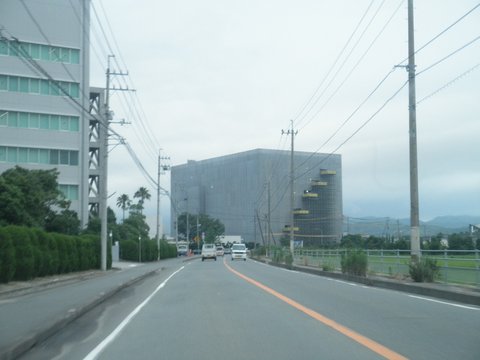
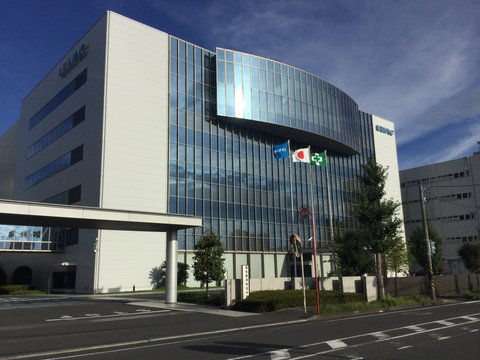
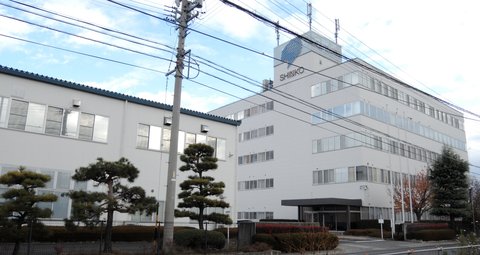
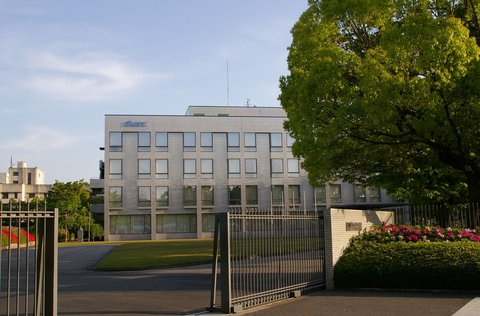
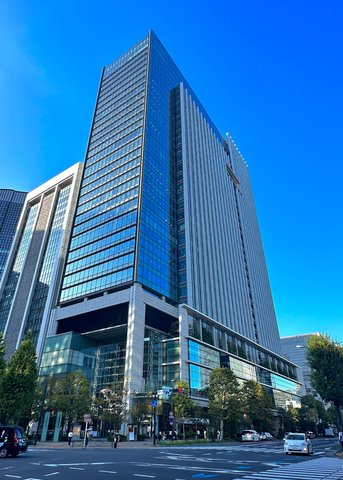
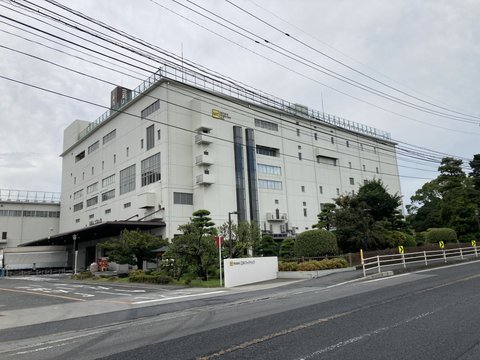
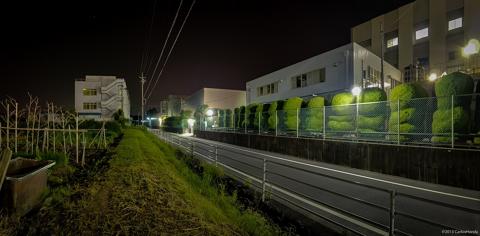
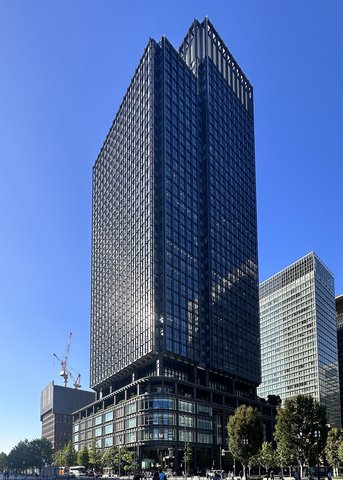
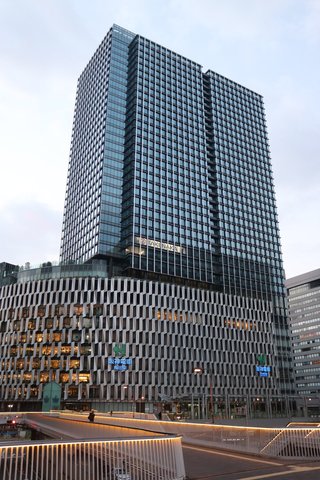
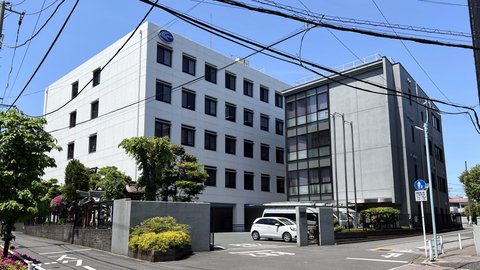
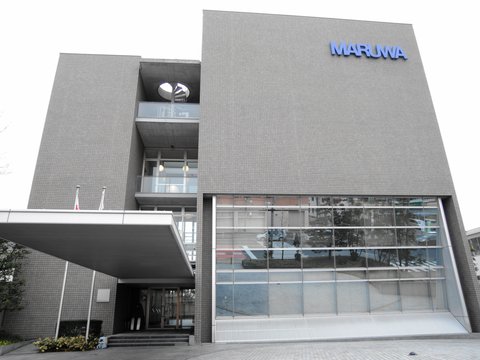
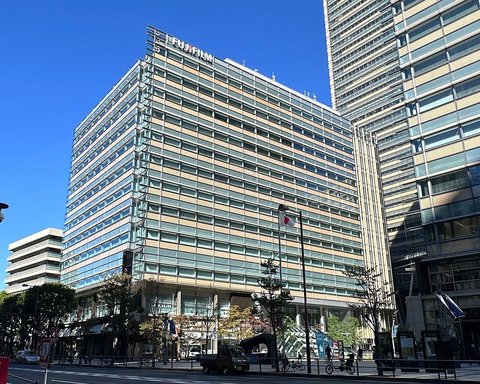
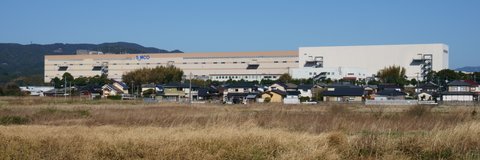
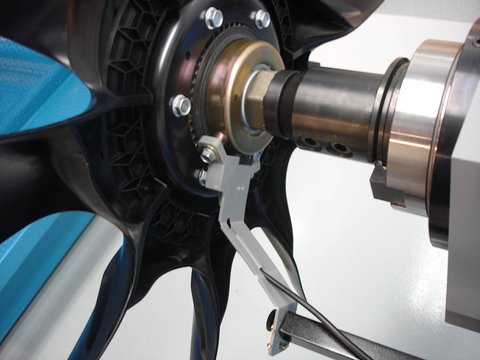
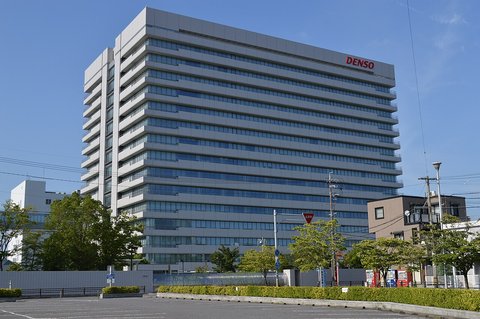
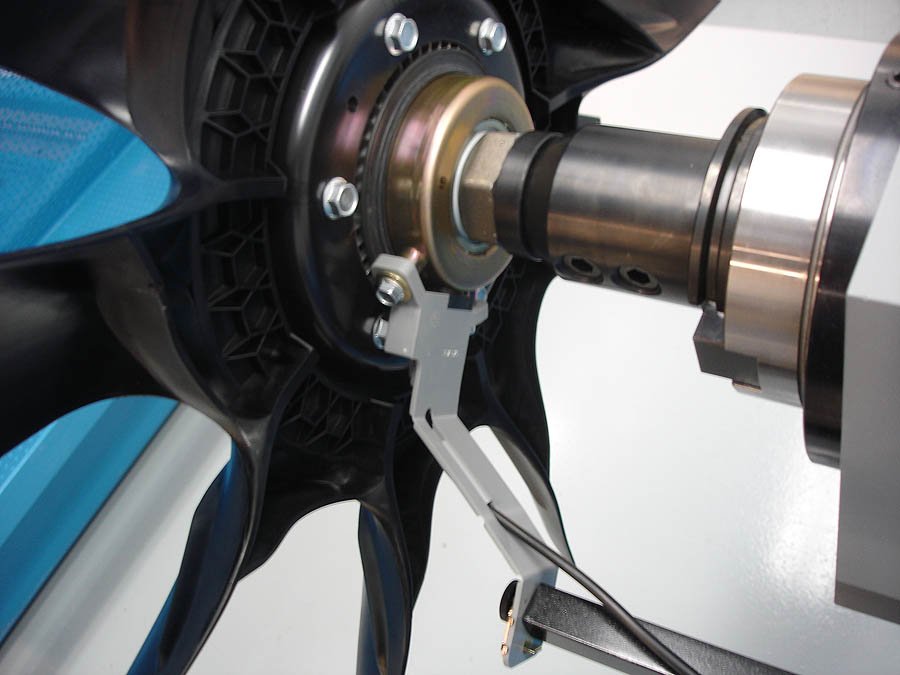
The pin marks AKM’s current Hibiya headquarters, not the 1974 development room or the Nobeoka fire site. The cover shows a Hall-effect sensor mounted beside a clutch and fan, a clear application example but not an AKM-branded device.
Sources: AKM, “What makes AKM different?” and company profile; Asahi Kasei semiconductor-business history; Asahi Kasei’s 2021 fire investigation and sustainability reports.
Photo: “Clutch with Hall Effect sensor,” Фигушки, CC BY 2.0. https://commons.wikimedia.org/wiki/File:Clutch_with_Hall_Effect_sensor.jpg
changes?
delete this memory?
We detected that you have a Blox in your crypto wallet! We will import the Blox into your account.
Click on done below to complete the import.
Welcome Back!
Sign in to preserve cherished moments
Don't have an account?
Welcome!!
Sign up and start preserving cherished moments
?
?

Choose your payment method
Buy with Metablox Credit
Do you want to mint Blox with Metablox Credit?
Which Crypto would you like to use?
Purchase Confirmed!
Your Blox is being minted on-chain and will appear in your profile shortly.
Log in or sign up to claim your Blox.
How many credits do you want to buy?
$100 USD = 1 Metablox Credit = 1 Blox.
Use Metablox Credit to mint any Blox you want on the map.
expand_more