
- Home
- Semiconductor History | Japan | From Nihonbashi to Chitose
- Semiconductor History | Toshiba Komukai — Flash Memory Escapes the Lab
Semiconductor History | Toshiba Komukai — Flash Memory Escapes the Lab
· 1987
Personal memoryBy kevin · · updated · Report an issue

Find memories left by people near you.
Distribute Bounty
This will distribute the bounty equally among all qualifying memories. This action cannot be undone.
Cancel Bounty
Are you sure you want to cancel this bounty? The remaining amount will be refunded to your account.
Success!
Operation completed successfully.
Error
Something went wrong.
Semiconductor History | Toshiba Komukai — Flash Memory Escapes the Lab
kevin
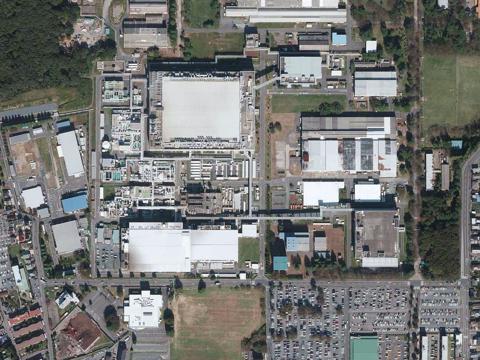
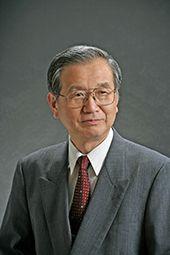
At Toshiba’s Komukai research center, Fujio Masuoka and his colleagues pursued a memory that could retain data without power yet be erased electrically. Toshiba announced the first flash-memory concept in 1984, and in 1987 the team presented the NAND architecture that would make very dense, block-erasable storage practical.

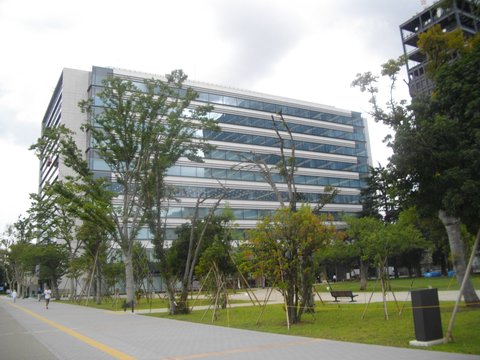
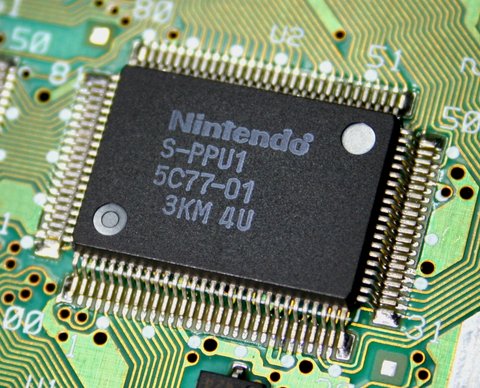
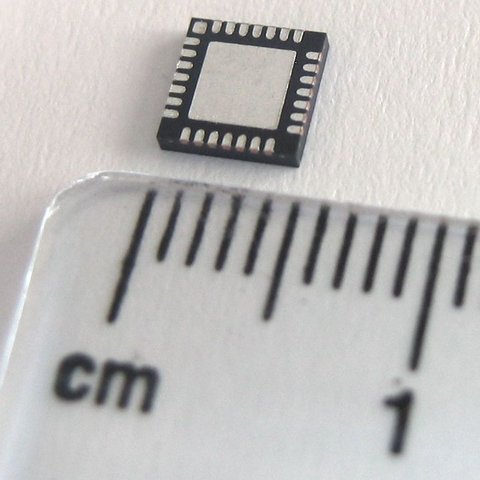
NAND accepted slower random access in exchange for simpler cells and high density. That trade made it a poor replacement for every kind of memory but an excellent foundation for removable cards, solid-state drives, and eventually the storage inside billions of phones and computers.
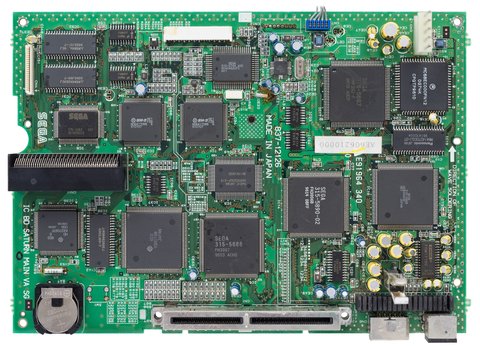
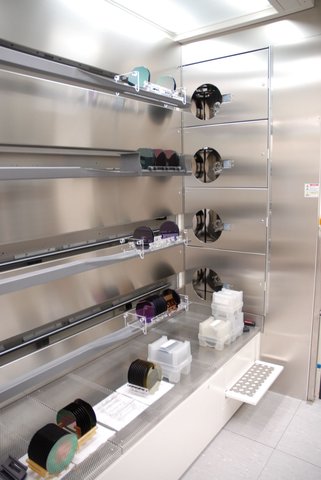
The good is difficult to overstate: a Japanese corporate laboratory produced one of the foundational inventions of modern digital life. Toshiba then commercialized 4-megabit NAND in 1991 and 16-megabit NAND in 1992, turning a device concept into a manufacturable product family rather than leaving it as a conference paper.
The bad is more structural than personal. Possessing a major invention did not exempt Toshiba or Japan from the punishing capital cycles of commodity memory, nor did it ensure that every layer of value—from controllers and software to consumer platforms and cloud infrastructure—would remain with the inventor.
Flash also illustrates how semiconductor credit becomes distorted. Masuoka is rightly central to the story, but the memory reached production through a team, fabrication processes, corporate investment, and customers willing to redesign systems around a new storage hierarchy; calling it either one man’s isolated invention or simply a Toshiba product misses half the mechanism.
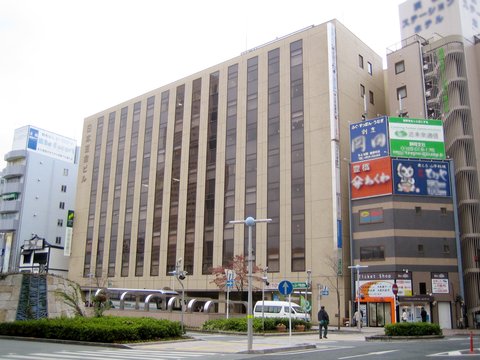
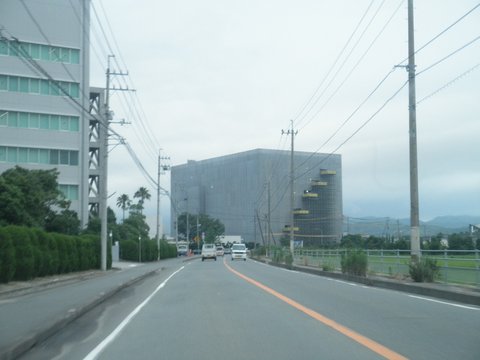
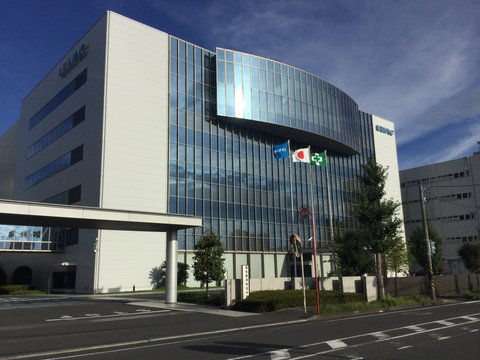
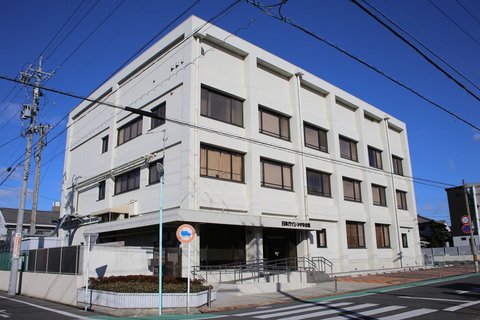
Komukai matters because it connects scientific insight to an institution that could test, refine, and transfer it into production. The later upheavals around Toshiba’s memory business do not erase that achievement, but they do show that technological originality and durable corporate control are separate accomplishments.
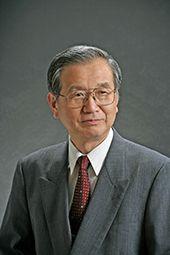
The portrait depicts Fujio Masuoka, while the pin marks Toshiba’s Komukai research campus where the work was developed; it does not mark the American conference venue where NAND was presented. Image from Japan’s Ministry of Education, Culture, Sports, Science and Technology, licensed CC BY 4.0 via Wikimedia Commons.
changes?
delete this memory?
We detected that you have a Blox in your crypto wallet! We will import the Blox into your account.
Click on done below to complete the import.
Welcome Back!
Sign in to preserve cherished moments
Don't have an account?
Welcome!!
Sign up and start preserving cherished moments
?
?

Choose your payment method
Buy with Metablox Credit
Do you want to mint Blox with Metablox Credit?
Which Crypto would you like to use?
Purchase Confirmed!
Your Blox is being minted on-chain and will appear in your profile shortly.
Log in or sign up to claim your Blox.
How many credits do you want to buy?
$100 USD = 1 Metablox Credit = 1 Blox.
Use Metablox Credit to mint any Blox you want on the map.
expand_more