Semiconductor History | Sony Nagasaki — PSP Puts Graphics and Video on One Chip
volume_up
Listen
directions
Directions
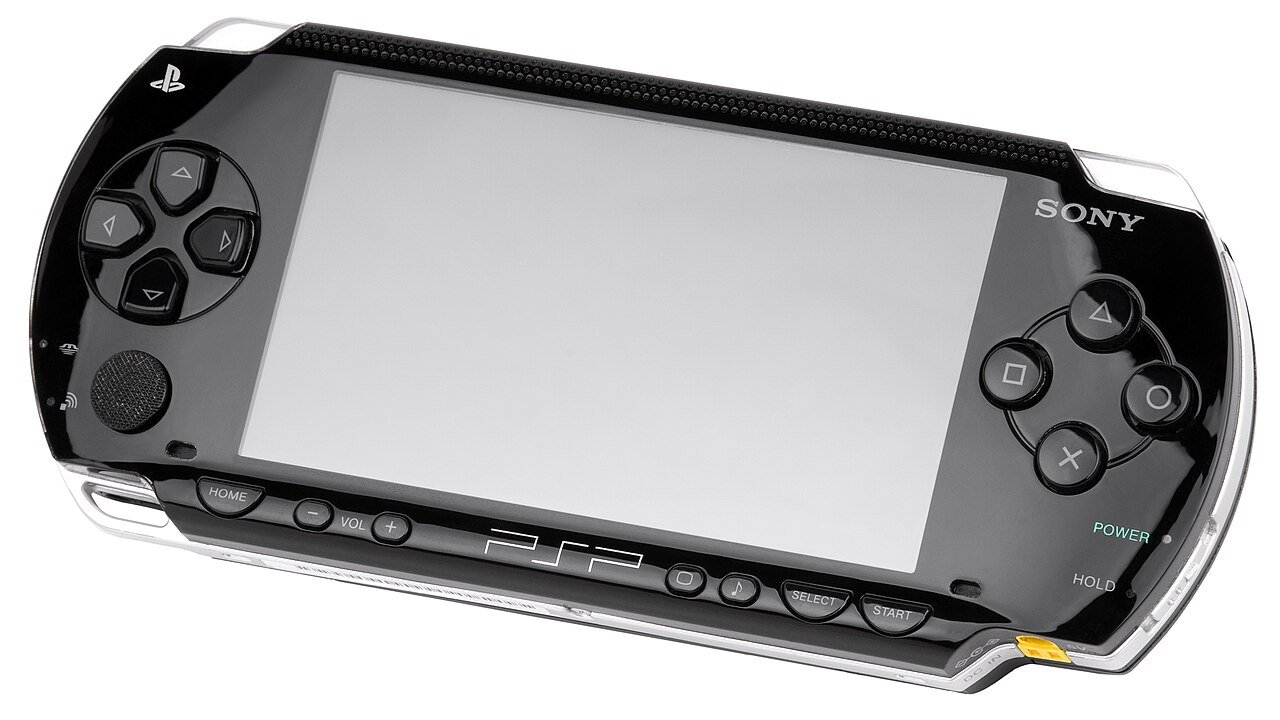
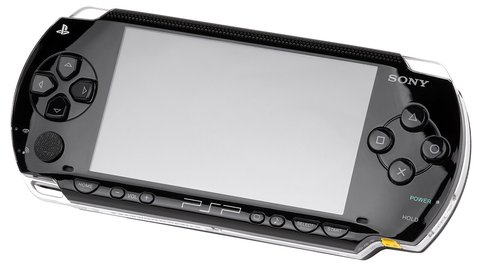
On December 12, 2004, Sony Computer Entertainment released the PlayStation Portable in Japan. It looked like a handheld game machine, but its semiconductor brief was broader: render three-dimensional games, decode compressed video, handle music, manage memory, and do it all within a battery-powered thermal envelope.
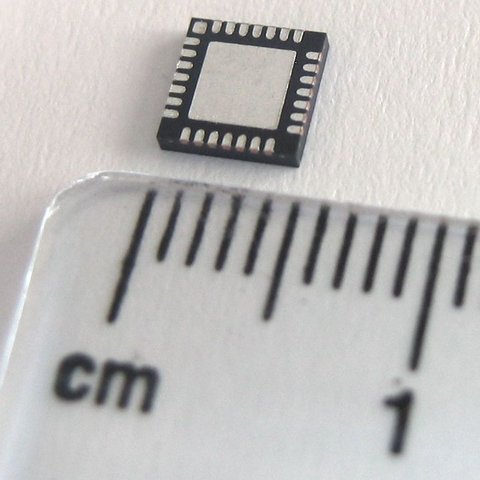
Engineers from Sony, Sony LSI Design, and Sony Computer Entertainment had already shown the answer at Hot Chips. The PSP system chip brought together the main processor, three-dimensional graphics, a hardware H.264 video decoder, a dynamically reconfigurable media engine, and embedded memory.
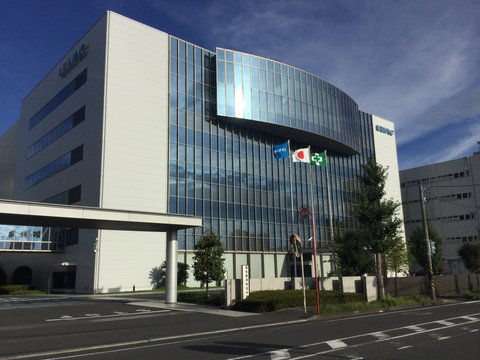
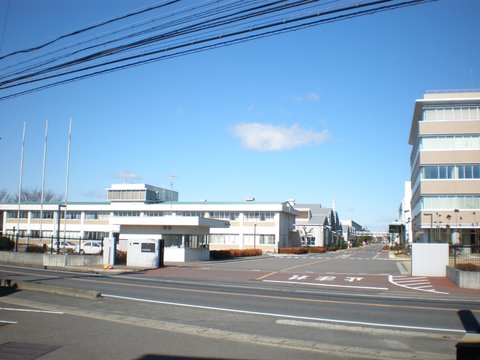
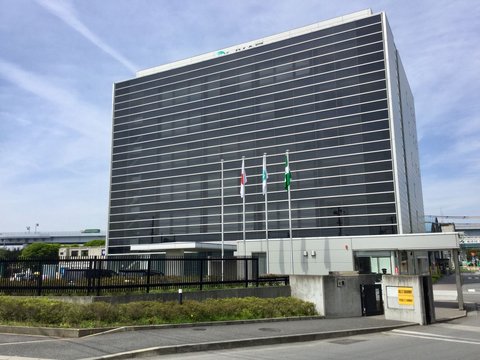
Their presentation ended with a concrete manufacturing statement: Sony Semiconductor Kyushu would make the chip in Nagasaki.
The good was integration with a purpose. Graphics and media were not merely placed beside one another.
The embedded memory was divided between game and media processing, while voltage, clock, and power controls could slow or switch off blocks that were not needed. The reconfigurable Virtual Mobile Engine aimed for a middle ground between programmable software and a permanently fixed accelerator.
That architecture helped the PSP act as both console and portable media machine without carrying a desktop-sized power budget.
Sony also had an organizational advantage. Sony LSI Design supplied dedicated chip-design expertise, Sony Computer Entertainment defined the platform, and Sony's semiconductor operation could manufacture the result.
Short feedback paths between product, silicon, and fab were valuable when the launch date could not move easily.
The bad was concentration and complexity. A custom system chip ties engineering cost to one platform, and specialized graphics, video, memory, and power domains create many places for verification or yield problems to hide.
Fixed accelerators save energy when workloads match their design, but age poorly when standards and software expectations change. A reconfigurable engine softens that rigidity while adding another programming model for developers and tool builders to master.
The bet worked well enough to give Sony a distinctive handheld, but it also illustrates why console silicon is unforgiving. Integration can cut power, board area, and duplicated hardware; it can also concentrate schedule risk, fabrication risk, and software dependence into one irreplaceable device.
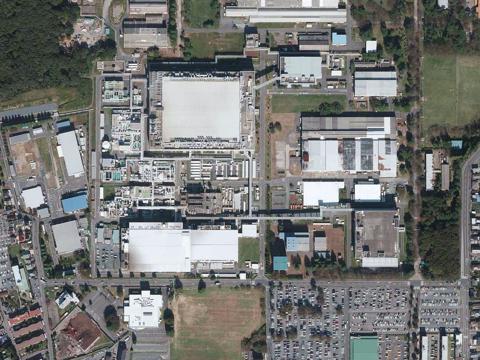
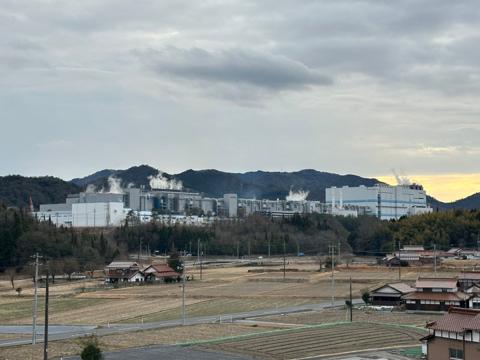
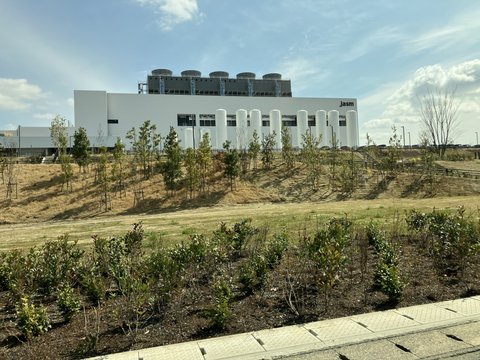
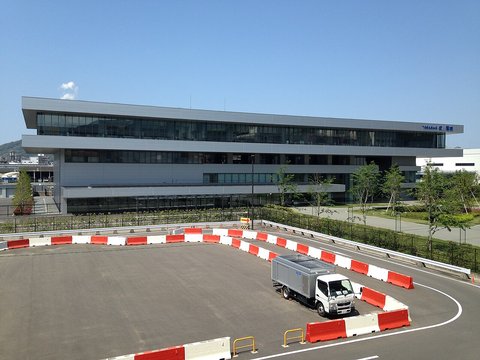
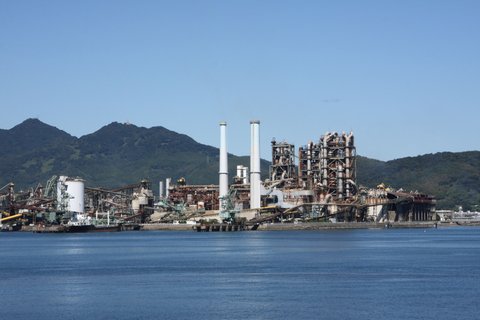
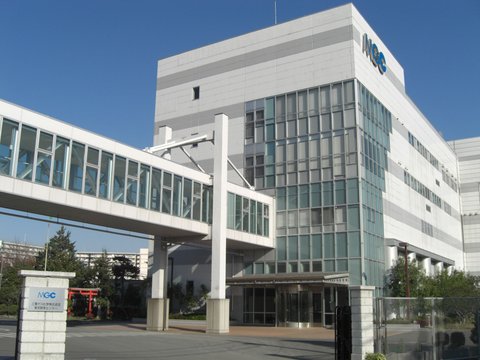
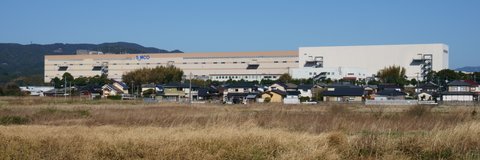
The pin marks Sony's verified Nagasaki semiconductor campus, the manufacturing location named by the chip team. It does not claim that all PSP design work occurred there.
The cover shows a North American PSP-1000, not the hidden chip or the Nagasaki fabrication line.
Sources: Sony Computer Entertainment, “PSP Enters the Market on December 12, 2004,” 27 October 2004; Sony Annual Report 2005; Sony, Sony LSI Design, and Sony Computer Entertainment, “A single-chip LSI with 3D graphics, H.264 codec engine, and a reconfigurable processor,” Hot Chips 16; Sony Semiconductor Solutions, semiconductor history and operations pages.
Photo: “Sony-PSP-1000-Body,” Evan-Amos, public domain, via Wikimedia Commons. https://commons.wikimedia.org/wiki/File:Sony-PSP-1000-Body.jpg


















 expand_more