
- Home
- Semiconductor History | Japan | From Nihonbashi to Chitose
- Semiconductor History | Tokuyama Shunan — Soda Chemistry Reaches Eleven-Nines Silicon
Semiconductor History | Tokuyama Shunan — Soda Chemistry Reaches Eleven-Nines Silicon
· 1984
Personal memoryBy kevin · · Report an issue

Find memories left by people near you.
Distribute Bounty
This will distribute the bounty equally among all qualifying memories. This action cannot be undone.
Cancel Bounty
Are you sure you want to cancel this bounty? The remaining amount will be refunded to your account.
Success!
Operation completed successfully.
Error
Something went wrong.
Semiconductor History | Tokuyama Shunan — Soda Chemistry Reaches Eleven-Nines Silicon
kevin
In 1984, Tokuyama entered electronic materials and began producing high-purity polycrystalline silicon. The company had started in the same city in 1918 to make soda ash domestically. Decades of chlorine, hydrogen, distillation, corrosion control, and large continuous plants gave it a chemical foundation for purifying silicon far beyond ordinary industrial grades.
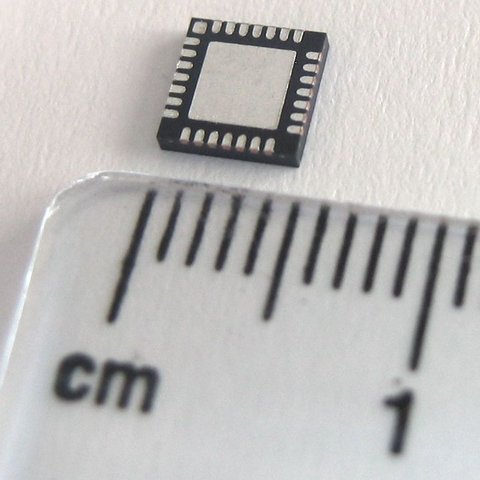
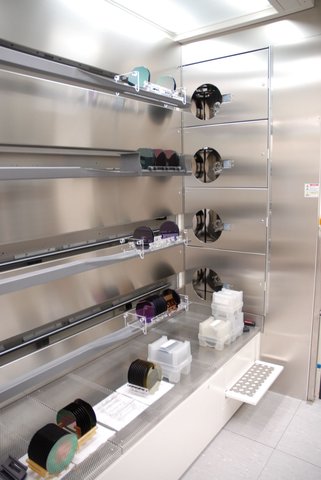
Polysilicon is the feedstock from which single-crystal ingots and silicon wafers are made. Tokuyama describes semiconductor-grade material at 99.999999999 percent purity—eleven nines. At that level, contamination that would be irrelevant in glass or cement can change electrical behavior, seed defects, or reduce yield after much more value has already been added downstream.
The good was a move from bulk chemistry toward a strategic material at the beginning of the chip chain. Producing polysilicon beside related high-purity chemicals created shared knowledge in purification, analysis, utilities, and safe handling. The Shunan complex now connects old chlor-alkali infrastructure with polysilicon, high-purity isopropyl alcohol, photoresist developer, and silica used around advanced semiconductor production.
The bad is physical and cyclical. Semiconductor-grade silicon needs energy-intensive purification and deposition, expensive reactors, and exact control over hazardous and corrosive intermediates. A contamination event can downgrade costly material, while global overcapacity can crush prices before a plant earns back its investment. The company’s history also shows how ambitious overseas expansion can magnify capital risk when demand, technology, or execution does not match the plan.
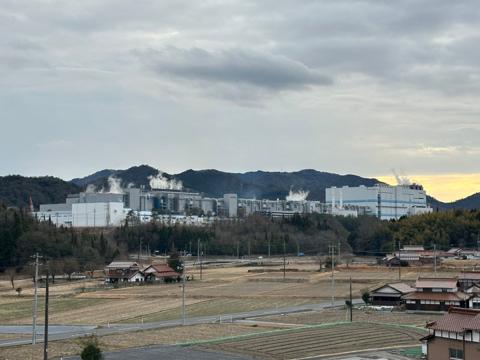
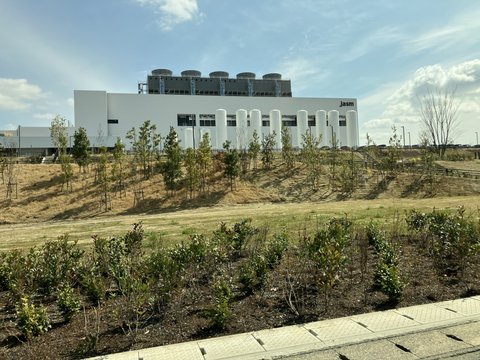
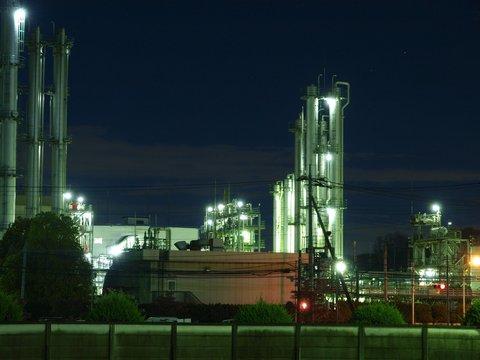
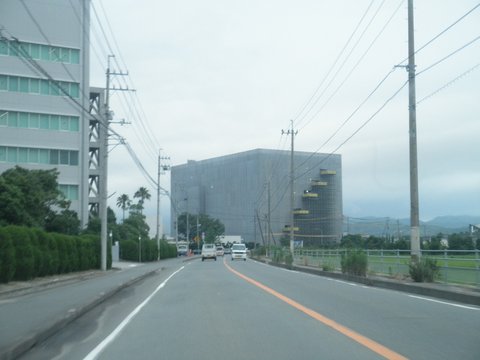
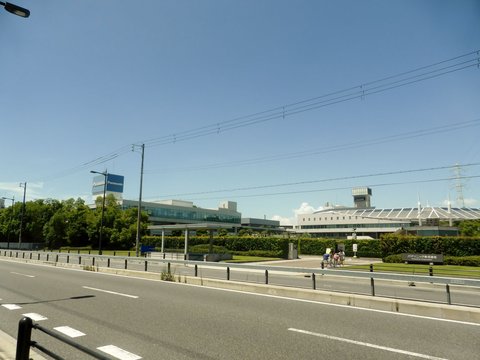
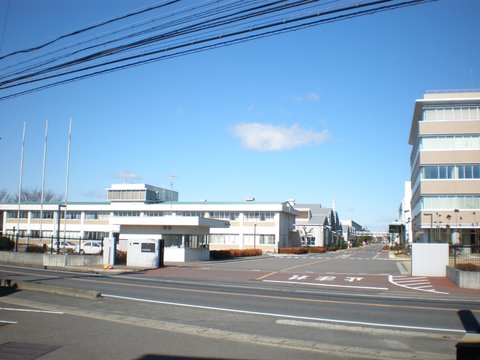
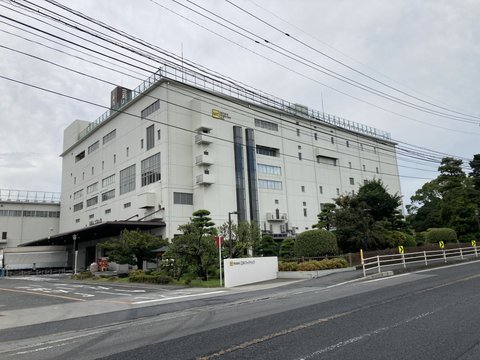
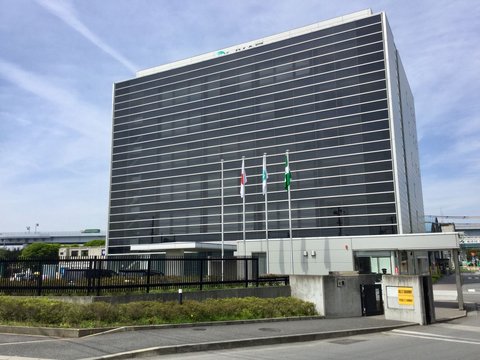
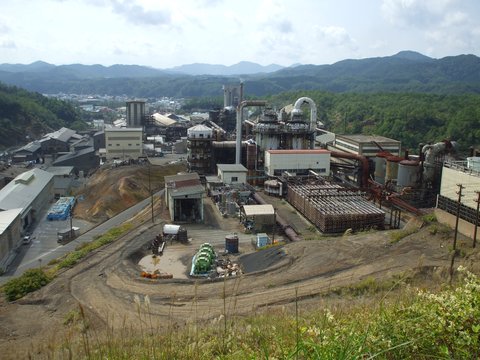
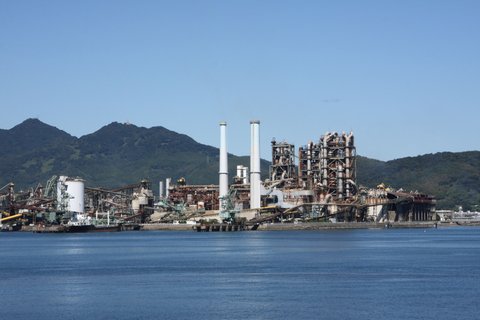
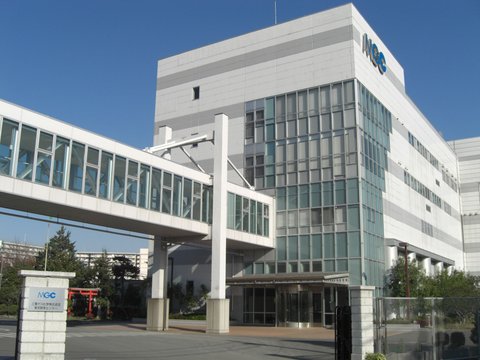
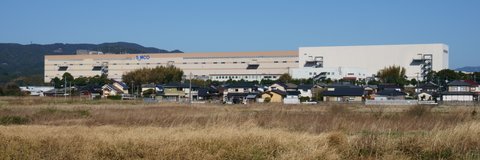
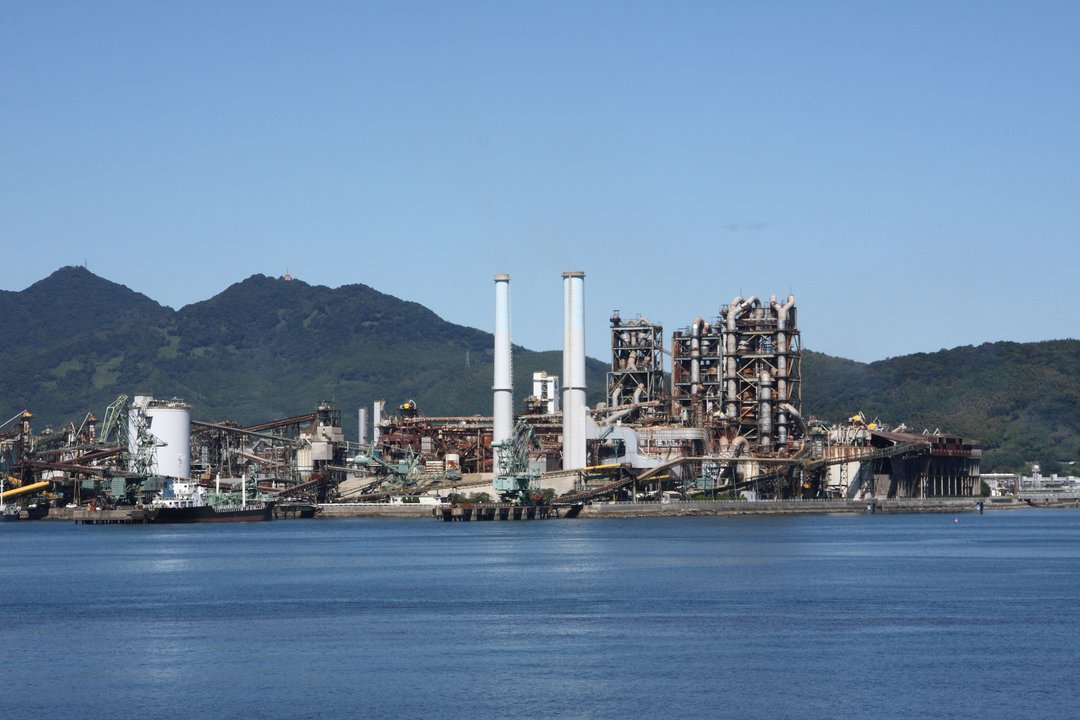
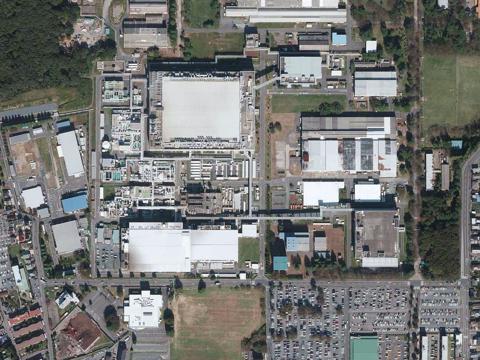
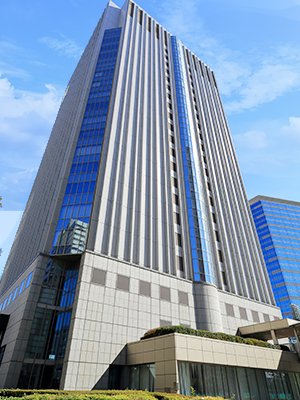
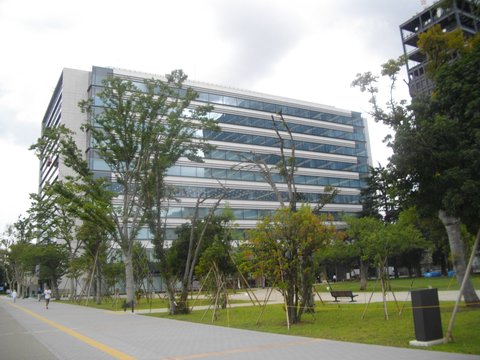
The pin marks the registered address of the 1.91-million-square-meter Tokuyama Factory, which company reporting identifies as a producer of polycrystalline silicon. The cover shows the Nanyo cement plant, one of three named plants in the larger Shunan complex; it is a real Tokuyama site photograph, but not presented as the polysilicon building.
Sources: Tokuyama corporate history and 2015 CSR report; Tokuyama polysilicon product page; Tokuyama Factory site reports and location directory.
Photo: “Tokuyama Nanyo Plant,” Gohachiyasu1214, CC BY-SA 4.0. https://commons.wikimedia.org/wiki/File:Tokuyama_Nanyo_Plant.jpg
changes?
delete this memory?
We detected that you have a Blox in your crypto wallet! We will import the Blox into your account.
Click on done below to complete the import.
Welcome Back!
Sign in to preserve cherished moments
Don't have an account?
Welcome!!
Sign up and start preserving cherished moments
?
?

Choose your payment method
Buy with Metablox Credit
Do you want to mint Blox with Metablox Credit?
Which Crypto would you like to use?
Purchase Confirmed!
Your Blox is being minted on-chain and will appear in your profile shortly.
Log in or sign up to claim your Blox.
How many credits do you want to buy?
$100 USD = 1 Metablox Credit = 1 Blox.
Use Metablox Credit to mint any Blox you want on the map.
expand_more