
- Home
- Semiconductor History | Japan | From Nihonbashi to Chitose
- Semiconductor History | Sharp Tenri — The Calculator War Gets a Plaque
Semiconductor History | Sharp Tenri — The Calculator War Gets a Plaque
· 2005-12
Personal memoryBy kevin · · updated · Report an issue

Find memories left by people near you.
Distribute Bounty
This will distribute the bounty equally among all qualifying memories. This action cannot be undone.
Cancel Bounty
Are you sure you want to cancel this bounty? The remaining amount will be refunded to your account.
Success!
Operation completed successfully.
Error
Something went wrong.
Semiconductor History | Sharp Tenri — The Calculator War Gets a Plaque
kevin
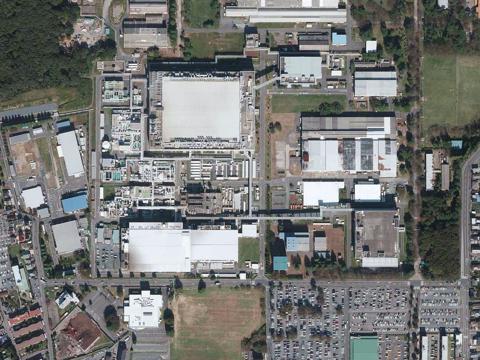
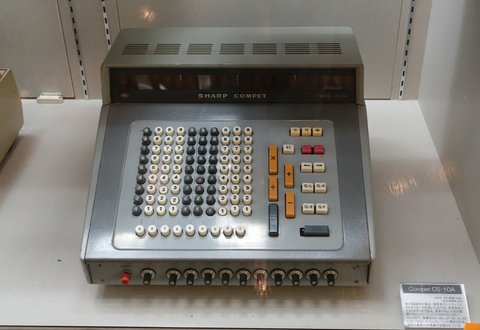
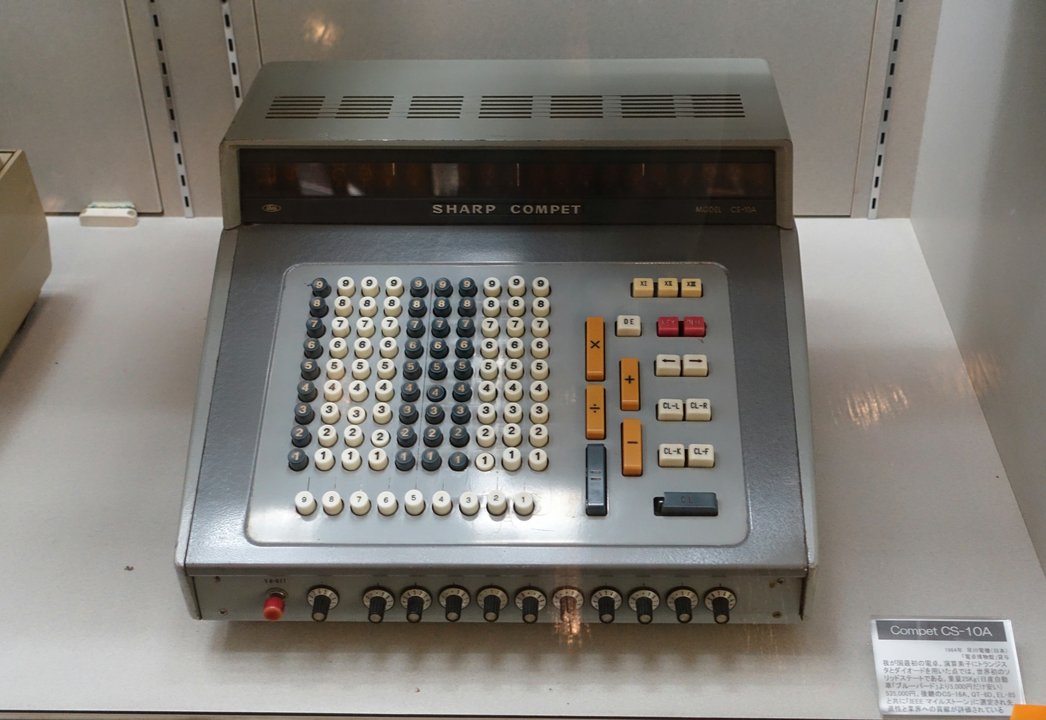
On 1 December 2005, the IEEE dedicated a Milestone plaque at Sharp’s museum in Tenri to Japan’s pioneering electronic calculators. The ceremony looked backward, but the machine it honored—the Sharp Compet CS-10A—had helped push a radio-and-appliance maker toward the semiconductor age.

Sharp introduced the CS-10A in March 1964 after four years of development. Built from transistors and diodes rather than an integrated circuit, it performed the four basic arithmetic operations and sold for ¥535,000, roughly the price of a passenger car in Japan at the time.
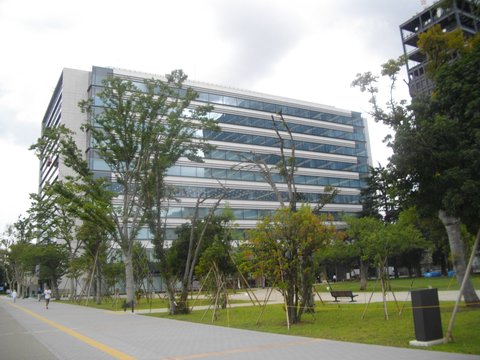
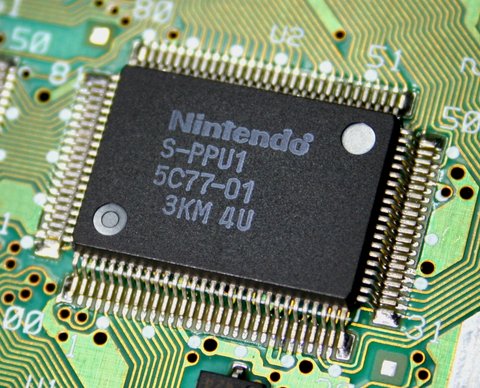
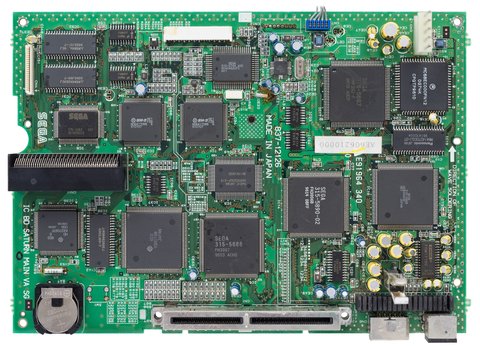
The good was not merely replacing gears with electronics. Calculator production forced Sharp to reduce size, power consumption, component count, and cost together, creating demand for better semiconductor devices and helping establish the engineering path that later connected calculators, integrated circuits, and liquid-crystal displays.
Commercial success also intensified Japan’s “calculator war.” Sharp’s own history records that by 1967 the domestic field had expanded to 33 manufacturers and 210 models, a burst of competition that accelerated miniaturization but made products obsolete quickly and punished companies unable to keep cutting cost.
The bad is visible in the CS-10A’s scale and price: this was a 25-kilogram office machine, not yet personal computing for everyone. Its circuitry also shows that Japan’s celebrated semiconductor-driven calculator industry was still in transition; the decisive reductions came only as integrated circuits replaced boards crowded with discrete parts.
Nor was the story a solitary national invention. Sharp’s achievement depended on a global flow of electronic ideas and components, while rivals including Casio, Canon, and overseas chipmakers rapidly changed the competitive standard. What Sharp did exceptionally well was convert those possibilities into a manufacturable product and then learn faster under brutal price pressure.
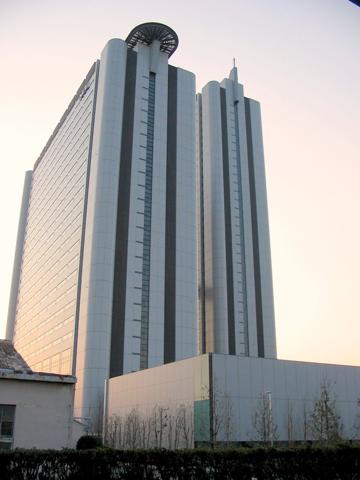
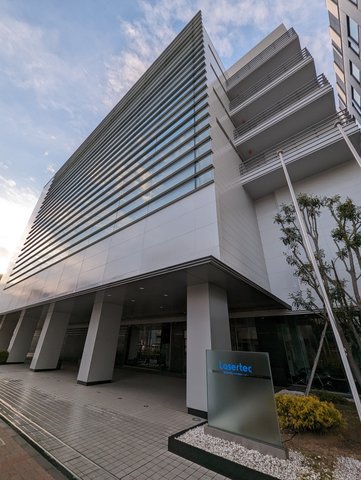
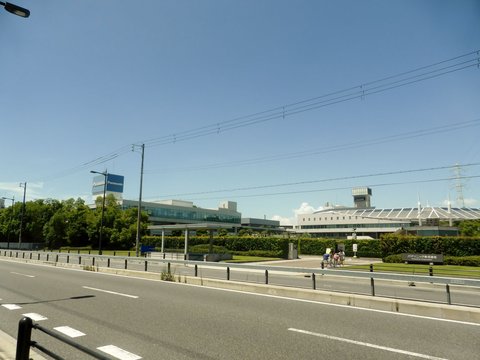
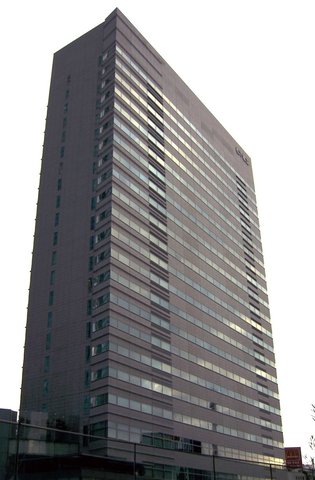
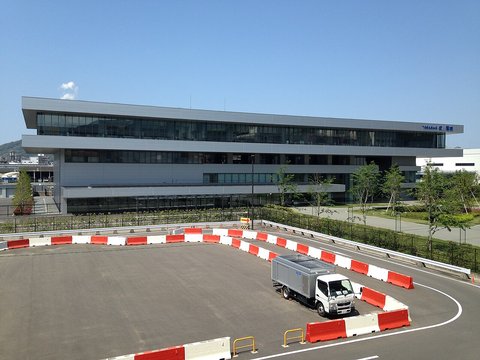
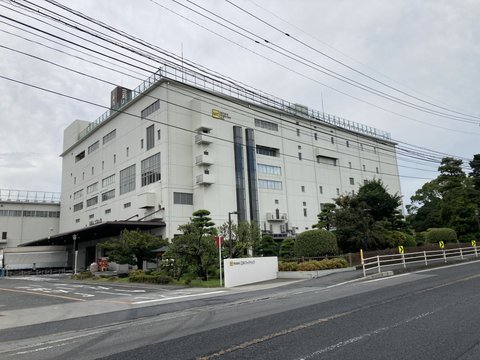
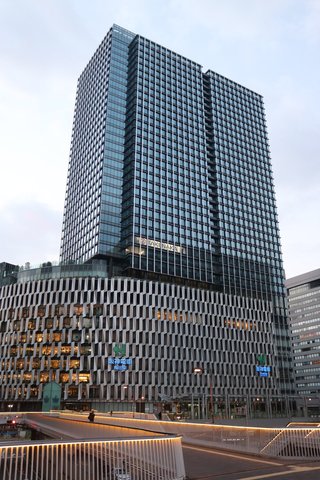
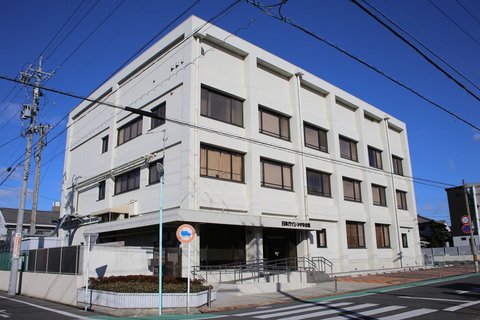
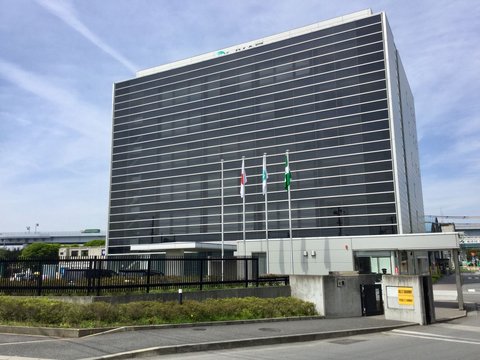
The photograph shows an actual CS-10A preserved at Tokyo University of Science, not the Tenri display. The pin marks Sharp’s Technology Innovation Museum, where the 2005 IEEE plaque makes this history publicly legible; the Tenri complex opened after the calculator’s original development.
changes?
delete this memory?
We detected that you have a Blox in your crypto wallet! We will import the Blox into your account.
Click on done below to complete the import.
Welcome Back!
Sign in to preserve cherished moments
Don't have an account?
Welcome!!
Sign up and start preserving cherished moments
?
?

Choose your payment method
Buy with Metablox Credit
Do you want to mint Blox with Metablox Credit?
Which Crypto would you like to use?
Purchase Confirmed!
Your Blox is being minted on-chain and will appear in your profile shortly.
Log in or sign up to claim your Blox.
How many credits do you want to buy?
$100 USD = 1 Metablox Credit = 1 Blox.
Use Metablox Credit to mint any Blox you want on the map.
expand_more