
- Home
- Semiconductor History | Japan | From Nihonbashi to Chitose
- Semiconductor History | DISCO Omori — The Blade Maker Builds the Saw
Semiconductor History | DISCO Omori — The Blade Maker Builds the Saw
· 1975
Personal memoryBy kevin · · Report an issue

Find memories left by people near you.
Distribute Bounty
This will distribute the bounty equally among all qualifying memories. This action cannot be undone.
Cancel Bounty
Are you sure you want to cancel this bounty? The remaining amount will be refunded to your account.
Success!
Operation completed successfully.
Error
Something went wrong.
Semiconductor History | DISCO Omori — The Blade Maker Builds the Saw
kevin
In 1975, Dai-Ichi Seitosho developed the DAD-2H automatic scriber and dicing saw and demonstrated it at SEMICON West. The company had begun as a grinding-wheel maker in Kure in 1937, but its ever-thinner blades exposed a problem: customers blamed the blade when machines could not use it reliably, so the supplier decided to build the machine too.
A dicing saw separates a patterned wafer into individual chips along narrow streets between the dies. DISCO combined the consumable blade, spindle, stage, water delivery, alignment, and process recipe, turning a small abrasives business into an equipment company; in 1978 it followed with what its history describes as the world’s first fully automatic dicing saw.
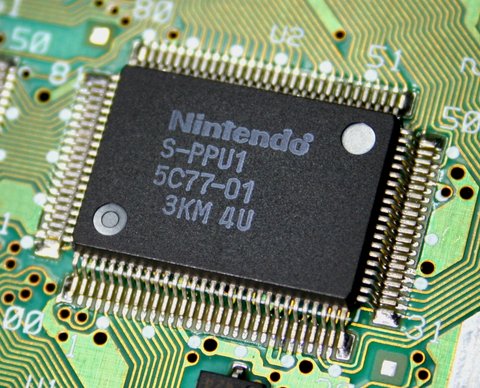
The good was ownership of the application, not just the part. By learning how blade and machine behave together, DISCO could reduce breakage, chipping, and downtime while supporting customers at the difficult boundary between wafer fabrication and packaging; the initials of Dai-Ichi Seitosho Company became the corporate name DISCO in 1977.
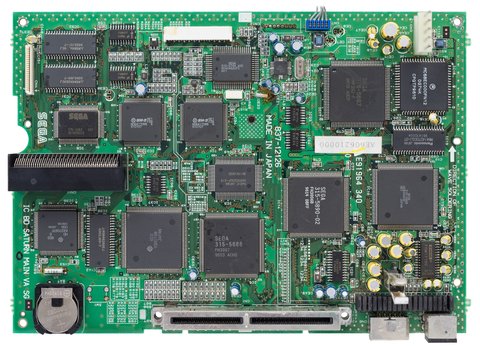
The bad is that precision separation still destroys valuable material and can damage the product at its most expensive stage. A blade consumes a kerf, creates particles, needs cooling and cleaning water, and can seed edge cracks; laser and stealth-dicing methods reduce some constraints but add new equipment, process-control, and thermal-damage trade-offs, while demand for all of these tools follows volatile fab investment.
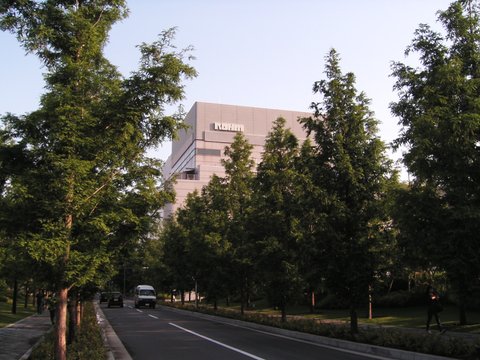
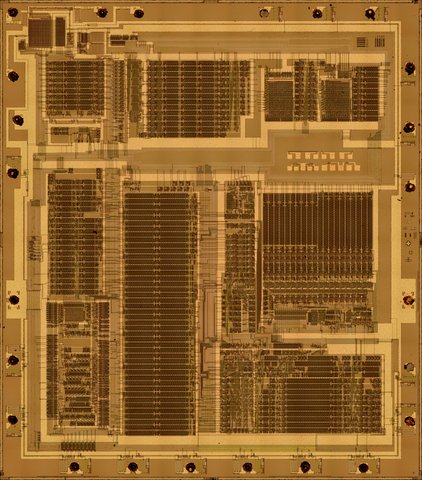
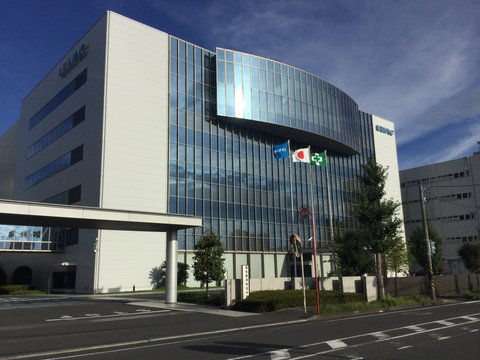
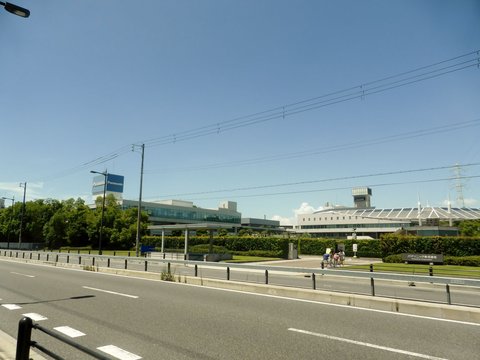
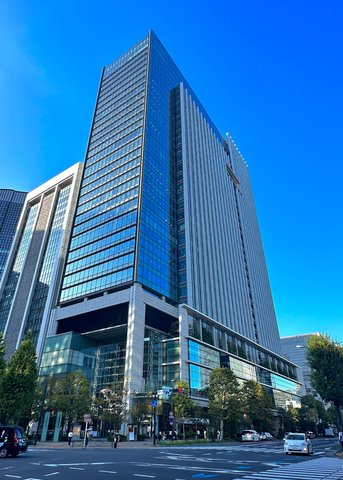
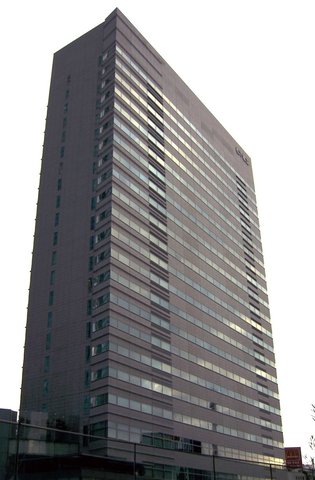
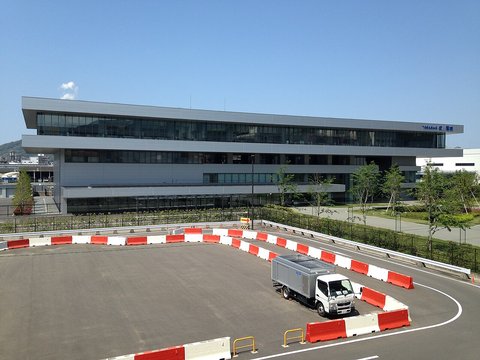
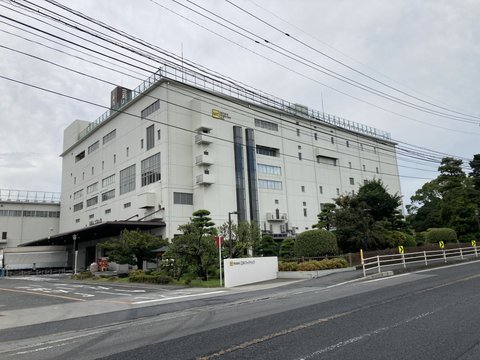
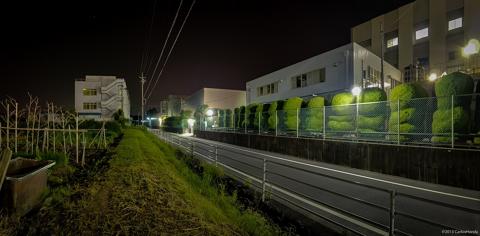
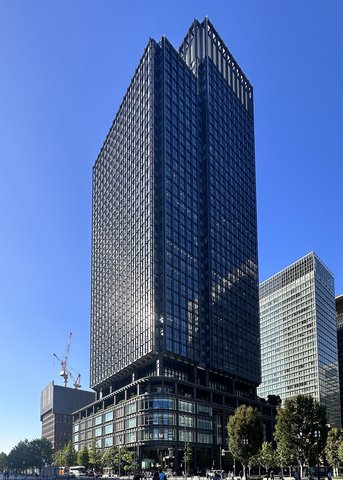
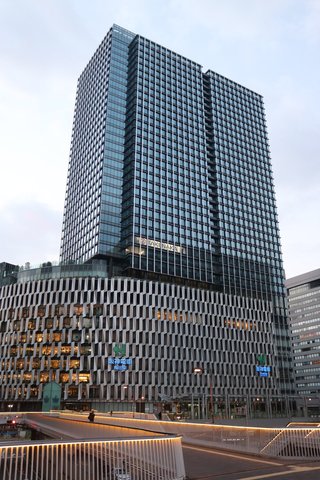
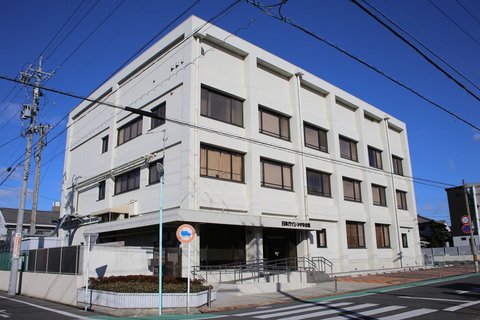
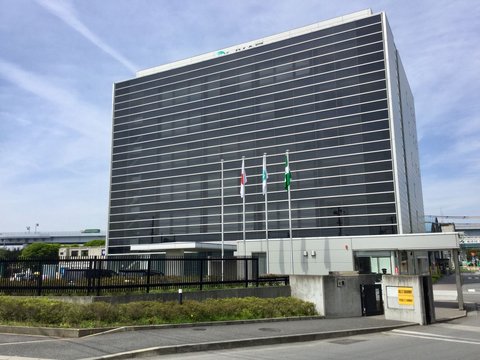
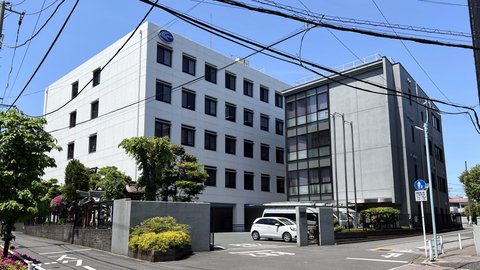
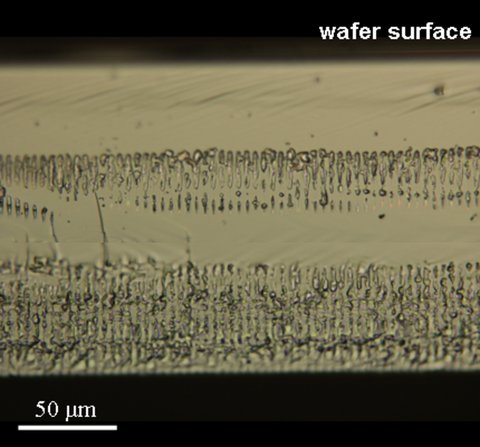
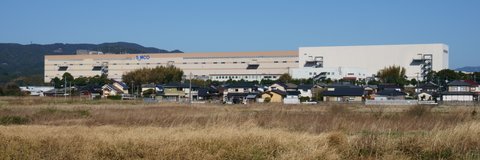
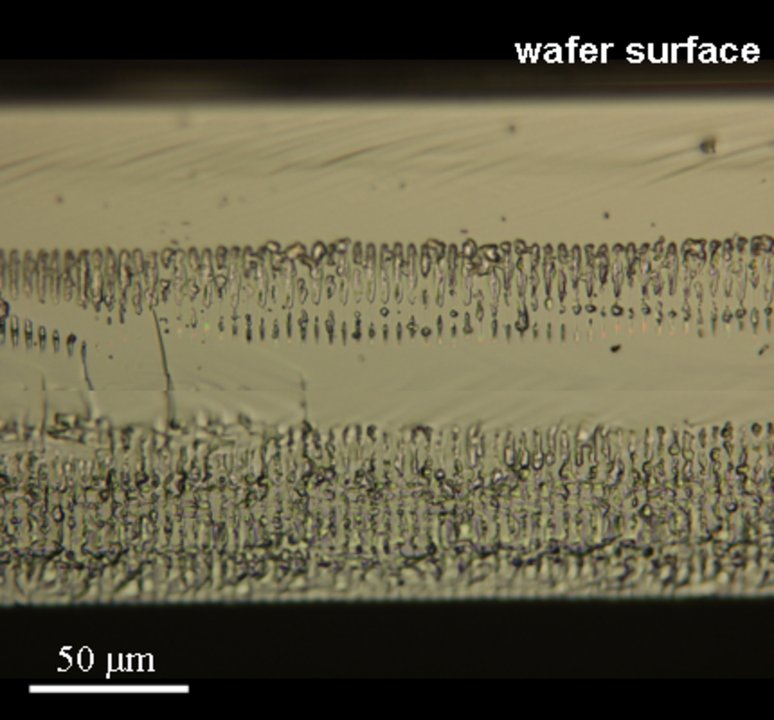
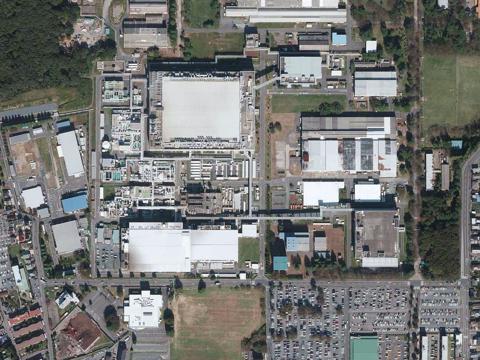
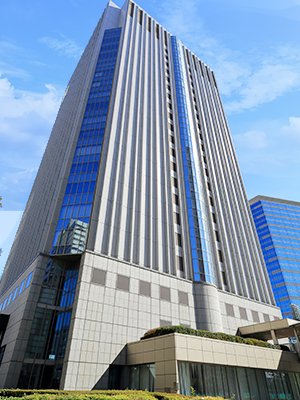
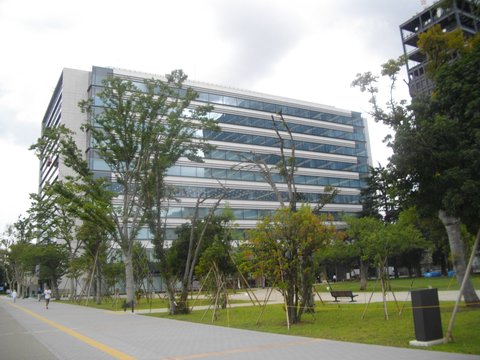
The pin marks DISCO’s present Omori Head Office and R&D Center, where administration, application laboratories, service, and research were consolidated in 2004, not the workshop that built the DAD-2H. The cover is a cross-sectional micrograph of a silicon wafer after stealth laser dicing, not a DISCO machine or the 1975 blade process.
Sources: DISCO, “Corporate History,” “What kind of company is DISCO?” and Japan Head Office / R&D Center pages.
Photo: “Stealth diced Si wafer 150μm 430x400 MB11,” MBirkholz, CC BY 3.0. https://commons.wikimedia.org/wiki/File:Stealth_diced_Si_wafer_150μm_430x400_MB11.png
changes?
delete this memory?
We detected that you have a Blox in your crypto wallet! We will import the Blox into your account.
Click on done below to complete the import.
Welcome Back!
Sign in to preserve cherished moments
Don't have an account?
Welcome!!
Sign up and start preserving cherished moments
?
?
Choose your payment method
Buy with Metablox Credit
Do you want to mint Blox with Metablox Credit?
Which Crypto would you like to use?
Purchase Confirmed!
Your Blox is being minted on-chain and will appear in your profile shortly.
Log in or sign up to claim your Blox.
How many credits do you want to buy?
$100 USD = 1 Metablox Credit = 1 Blox.
Use Metablox Credit to mint any Blox you want on the map.
expand_more