Semiconductor History | Yamaha Toyooka — A Music Company Builds an IC Factory
volume_up
Listen
directions
Directions
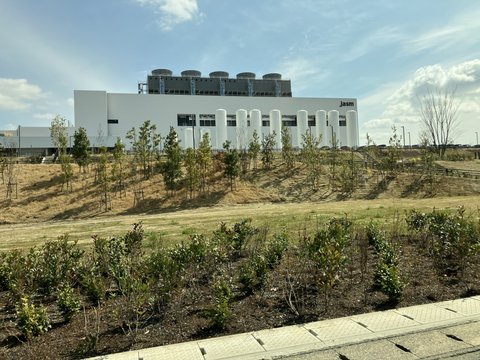
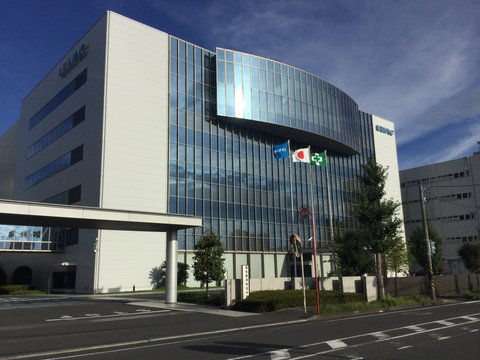
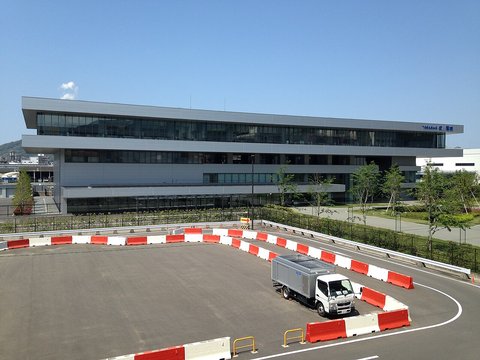
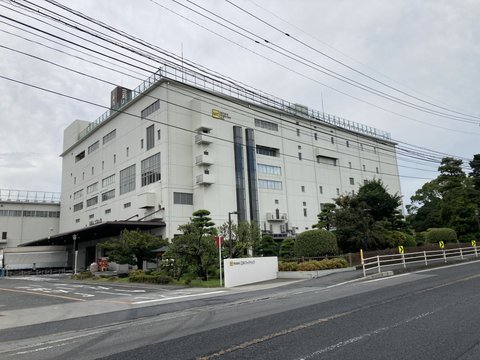
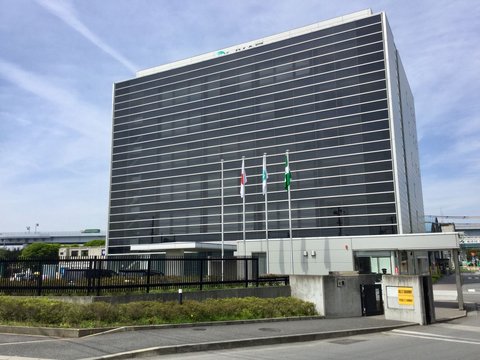
In 1971, Yamaha completed an integrated-circuit factory at Toyooka because richer electronic instruments needed specialized chips. Rather than wait for general-purpose suppliers, the musical-instrument company chose to bring semiconductor knowledge inside its own walls.
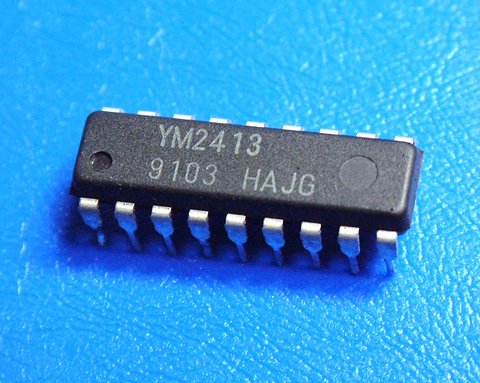
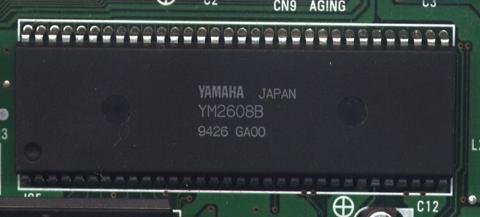
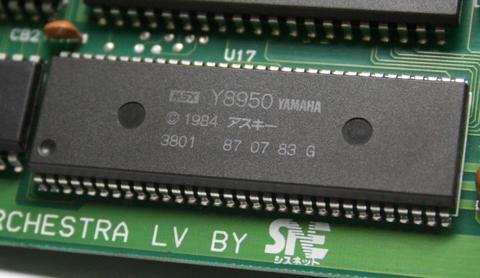
That vertical integration produced real advantages. Yamaha could connect circuit design directly to the behavior of an Electone or synthesizer, develop proprietary large-scale integrated circuits, and later sell sound, image-processing, and signal-processing chips to outside customers. Its semiconductor operation became more than a captive workshop.
The path was never purely national or self-contained. Frequency-modulation synthesis was discovered by John Chowning at Stanford, and Yamaha licensed the university’s patent before turning the idea into practical digital instruments and chips. Japanese manufacturing strength here grew through an international exchange of invention, engineering, and commercialization.
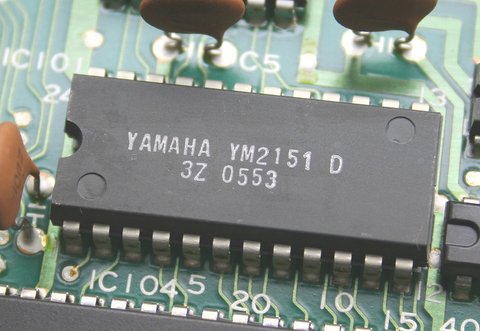
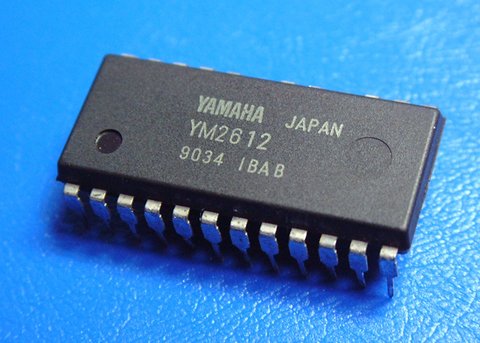
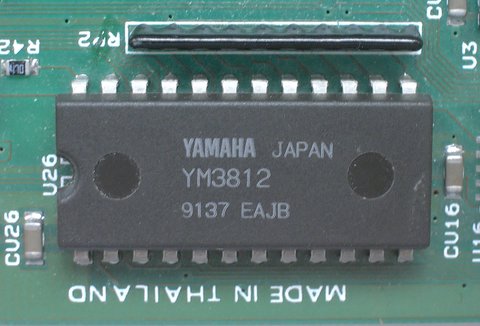
The good side was cultural as well as technical. Yamaha’s sound chips put compact, programmable synthesis into keyboards, personal computers, arcade machines, and consoles. The later YM2612 helped give Sega’s Mega Drive its distinctive bright tones and characteristic distortion; a musical timbre became a semiconductor product.
The bad side was the economics of owning fabrication. Process equipment ages faster than musical ideas, fixed costs remain when demand shifts, and consumer sound chips face brutal price pressure. Yamaha eventually transferred its main semiconductor manufacturing operation and moved to a fabless model in 2015, keeping design and sound expertise while giving up the burden of running a leading factory network.
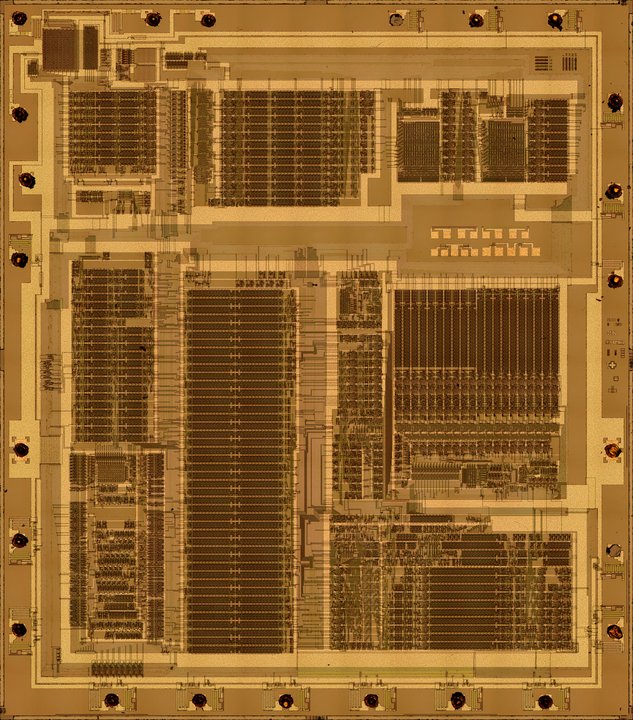
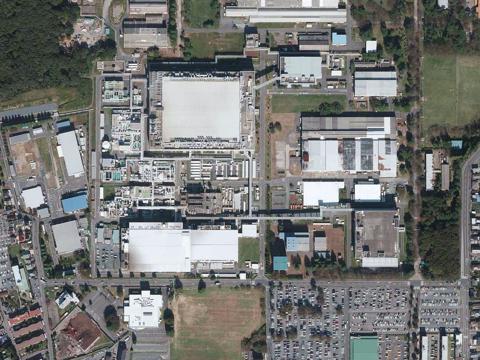
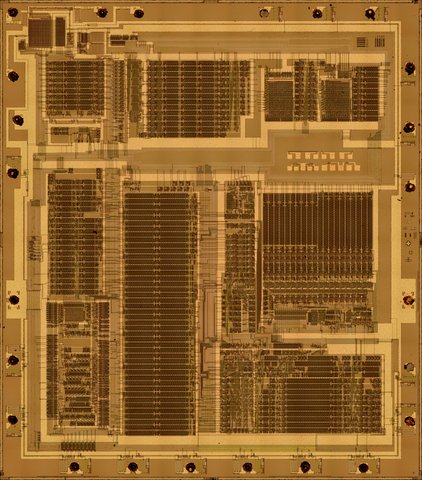
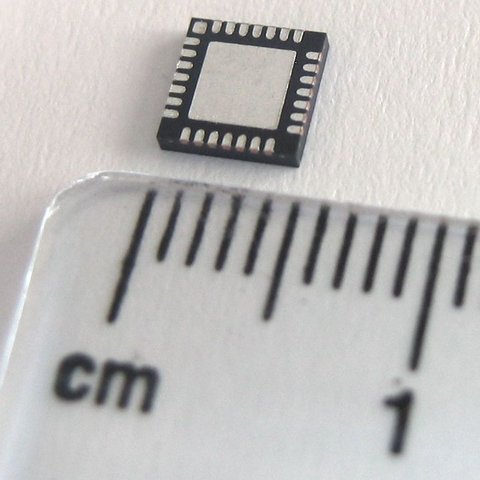
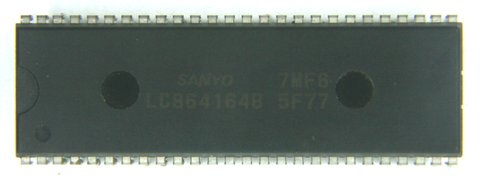
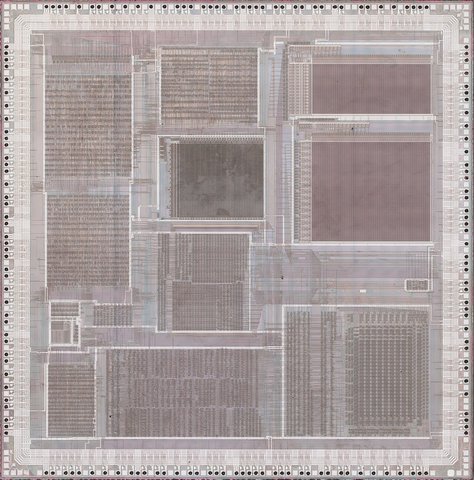
Toyooka therefore captures both halves of the strategy: building a fab gave Yamaha the capability to make electronic music its own, but keeping fabs forever was not necessary to preserve that capability. The image is a later die photograph of the YM2612, not a photograph of the 1971 factory; it is used as an artifact of what the semiconductor program eventually enabled, while the pin marks the verified Toyooka site.
Sources: [Yamaha innovation history](https://www.yamaha.com/ja/about/history/innovation/episode-13/index.html); [Yamaha corporate history](https://www.yamaha.com/en/about/history/); [Yamaha Annual Report 2016](https://asia.ar.euroland.com/media/4089/ar_eng_2016.pdf); [Yamaha Annual Report 2015](https://www.yamaha.com/en/ir/library/publications/pdf/an-2015e-006.pdf); [Stanford Office of Technology Licensing case study](https://web.stanford.edu/group/OTL/documents/SondiuscaseStudyA_000.pdf); [Yamaha’s YM2612 history](https://au.yamaha.com/en/news_events/2021/1203_YM2612.html).
Photo: Seanriddle, CC BY-SA 4.0, via Wikimedia Commons.










 expand_more