Semiconductor History | Kurita Nakano — Water Pure Enough to Touch a Wafer
volume_up
Listen
directions
Directions
In 1973, Kurita Water Industries entered the electronics industry and began building the ultrapure-water capability that became central to semiconductor manufacturing. Its history places the move at the opening of Japan’s information-society era, when smaller circuit features made ordinary industrial water unacceptable.
A fab repeatedly rinses wafers after chemical, deposition, etch, and polishing steps. Dissolved ions, organic molecules, particles, bacteria, or silica that would be harmless in drinking water can become electrical defects or physical contamination on a chip.
The good side was yield through invisible infrastructure. Kurita combined pretreatment, reverse osmosis, ion exchange, ultraviolet oxidation, membranes, monitoring, and recirculation into systems able to deliver water clean enough to contact the wafer surface.
That knowledge also created environmental opportunities. Reclaiming wastewater can reduce freshwater withdrawals, while functional water containing controlled gases can improve cleaning and reduce the amount of conventional chemicals used in selected processes.
Purity must also be proven continuously, not assumed at the plant outlet. Sampling, trace analysis, online sensors, piping materials, and control of the return loop are part of the product because contamination can enter after the main purification stages.
The bad side is the scale of the burden. Ultrapure water requires energy, replacement resins and membranes, chemicals, polishing stages, and constant circulation; producing purer water can shift pollution and carbon upstream rather than make them disappear.
Dependence is another risk. When a fab outsources the design, operation, or performance guarantee of its water plant, a contamination excursion, membrane failure, or monitoring error can affect many tools at once, and switching providers is difficult without interrupting production.
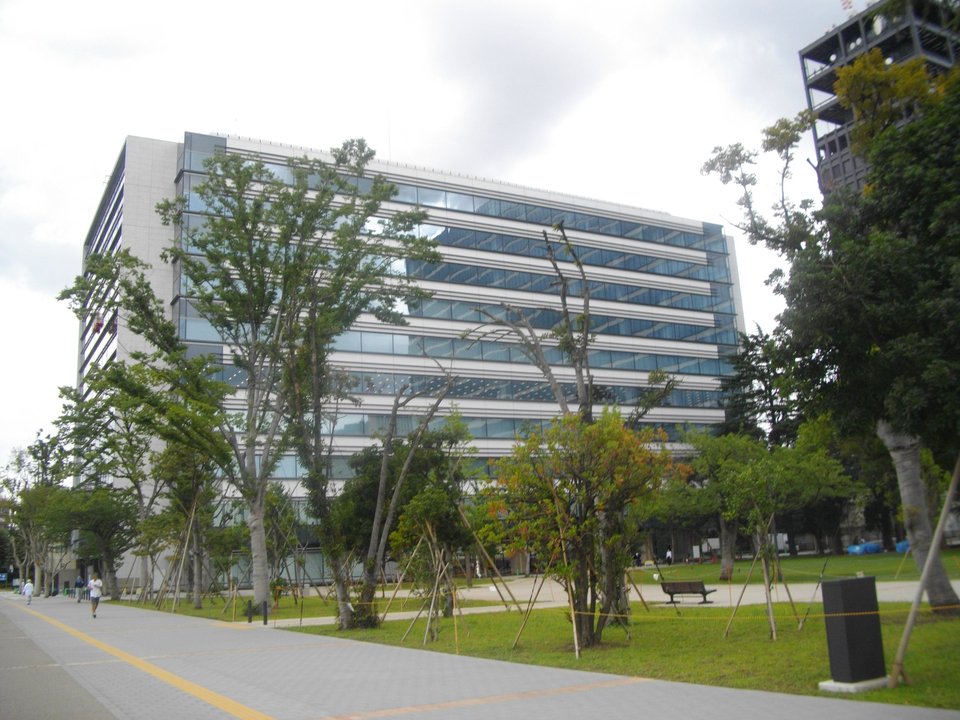
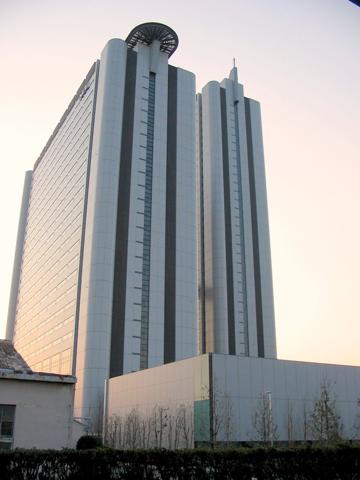
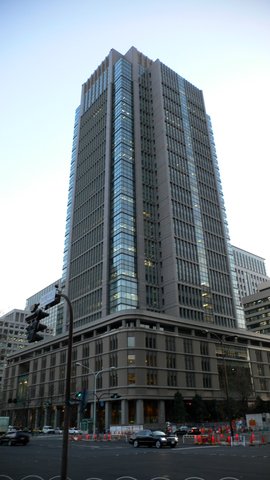
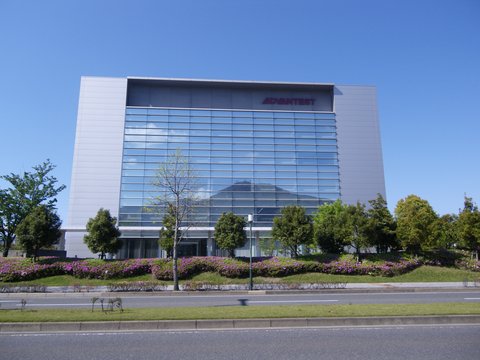
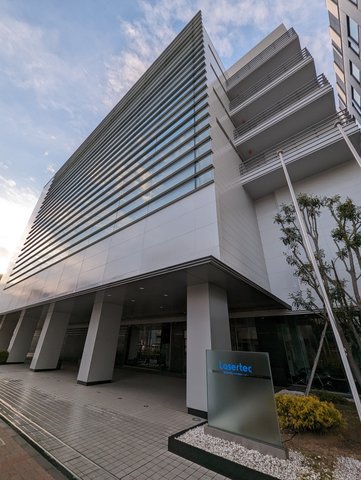
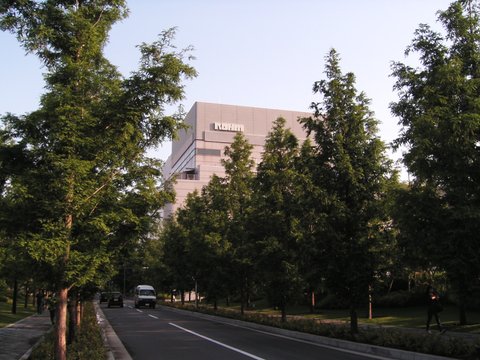
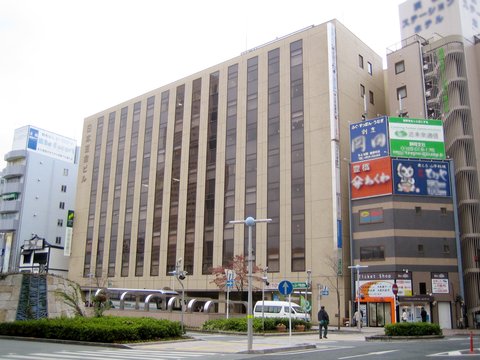
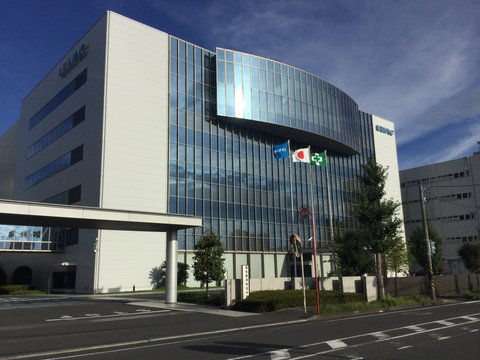
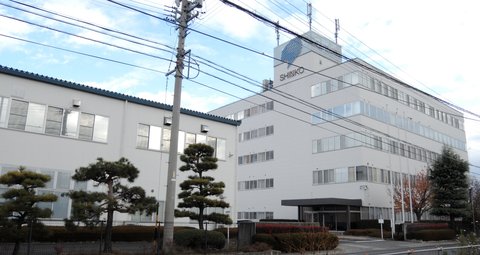
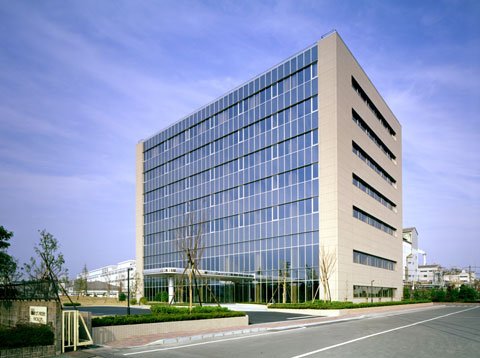
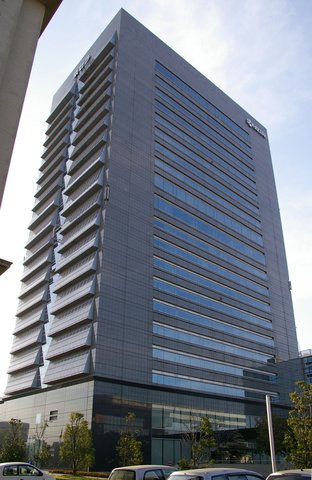
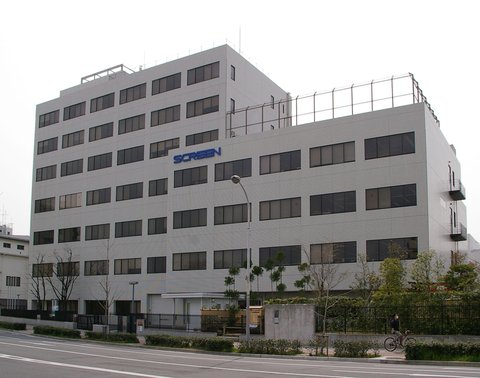
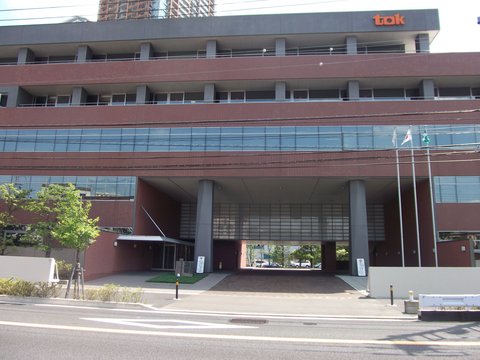
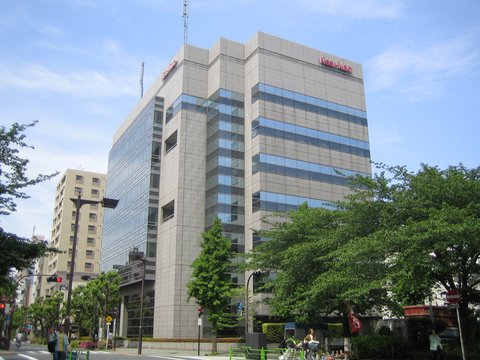
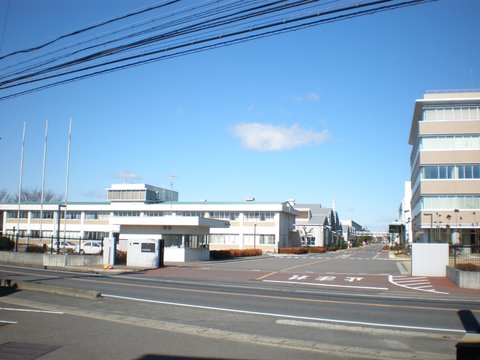
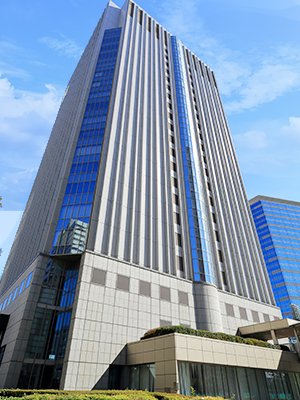
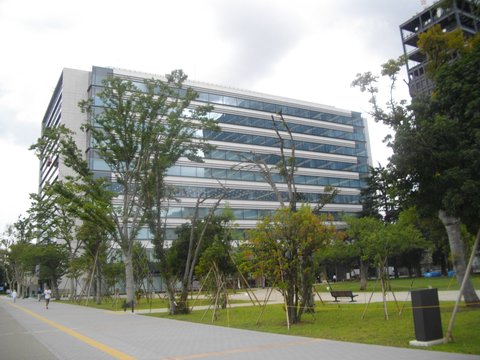
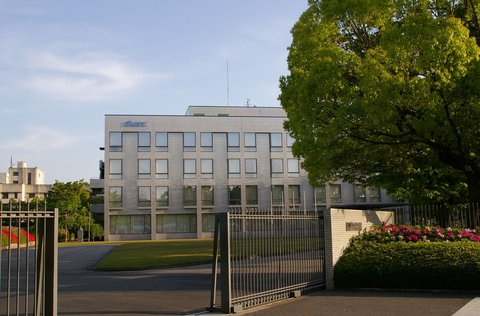
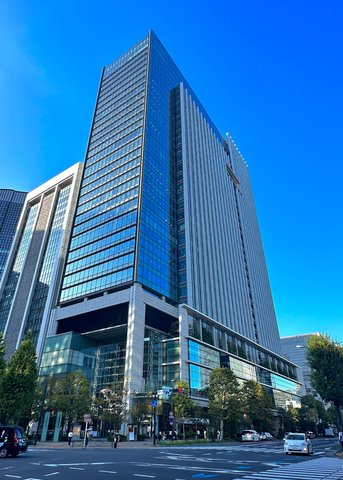
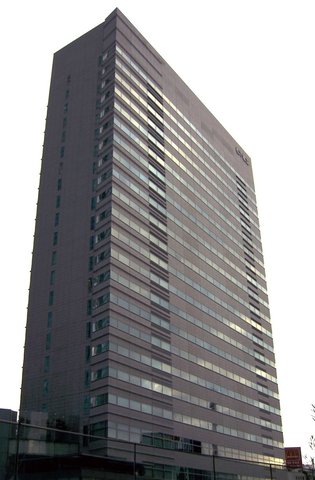
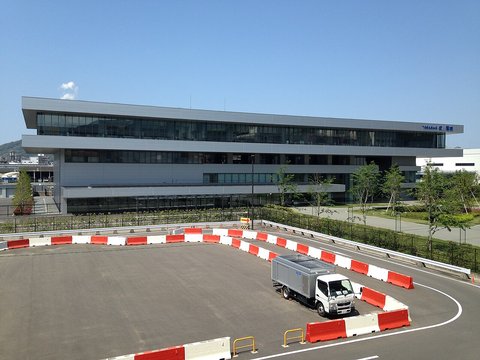
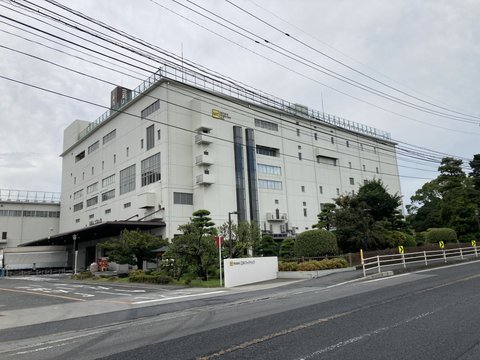
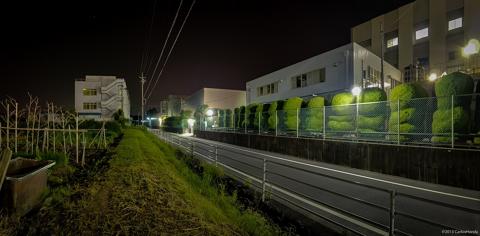
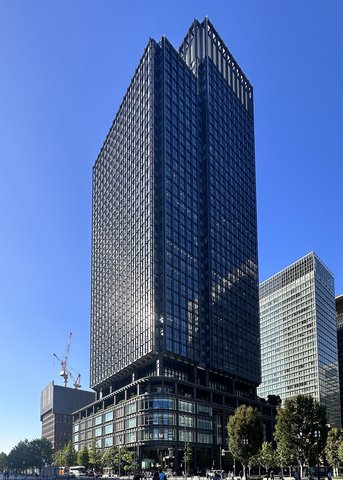
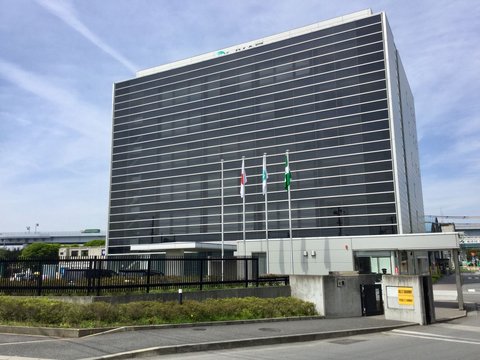
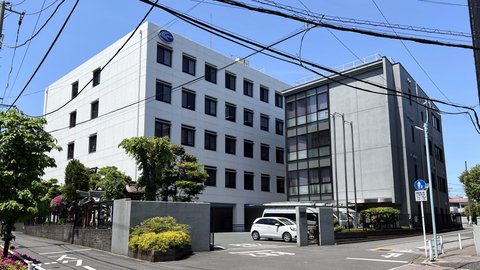
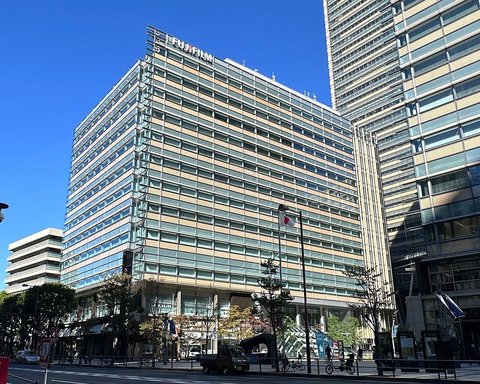
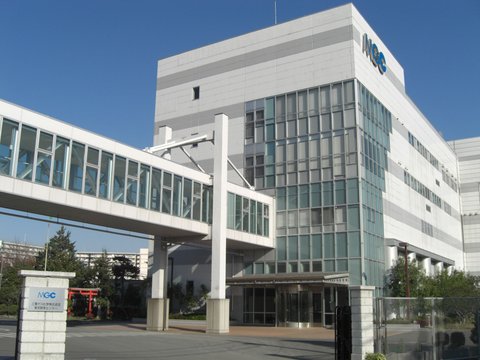
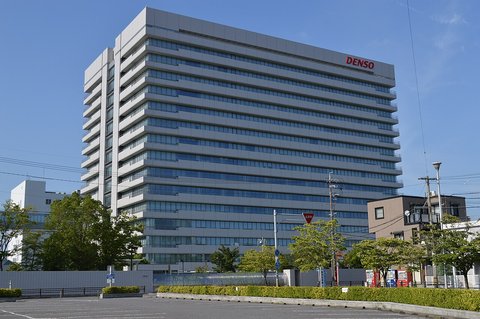
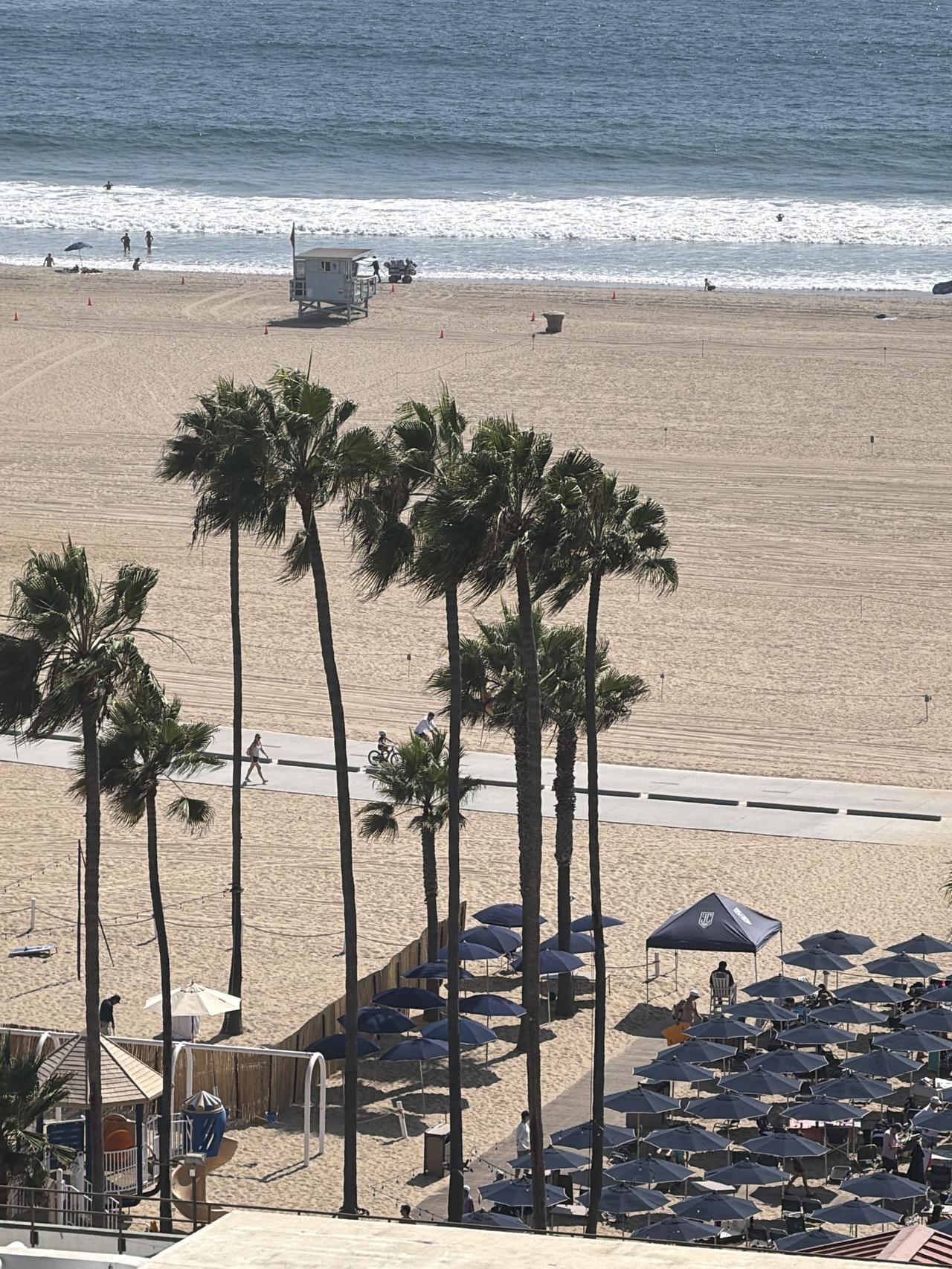
The photograph shows Nakano Central Park East, Kurita’s current headquarters. It is a corporate anchor for the 1973 strategic entry, not an ultrapure-water plant or the location where every early system was engineered.
Sources: [Kurita corporate history](https://www.kurita-water.com/en/company/history.html); [Kurita Integrated Report 2023](https://www.kurita-water.com/en/ir/library/assets/pdf/annual_2023_en.pdf); [Goldman Sachs environmental-impact report discussing Kurita’s 1970s electronics entry](https://www.gsam.com/content/dam/gsam/pdfs/common/en/public/articles/2023/gs-global-eip-2021-impact-report.pdf); [Kurita cleaning and refining technology](https://www.kurita-water.com/en/innovation/basetech/cleaning.html).
Photo: Kentin, CC BY-SA 3.0, via Wikimedia Commons.









 expand_more