Semiconductor History | Toyota Motomachi — DENSO’s SiC Reaches the Mirai
volume_up
Listen
directions
Directions
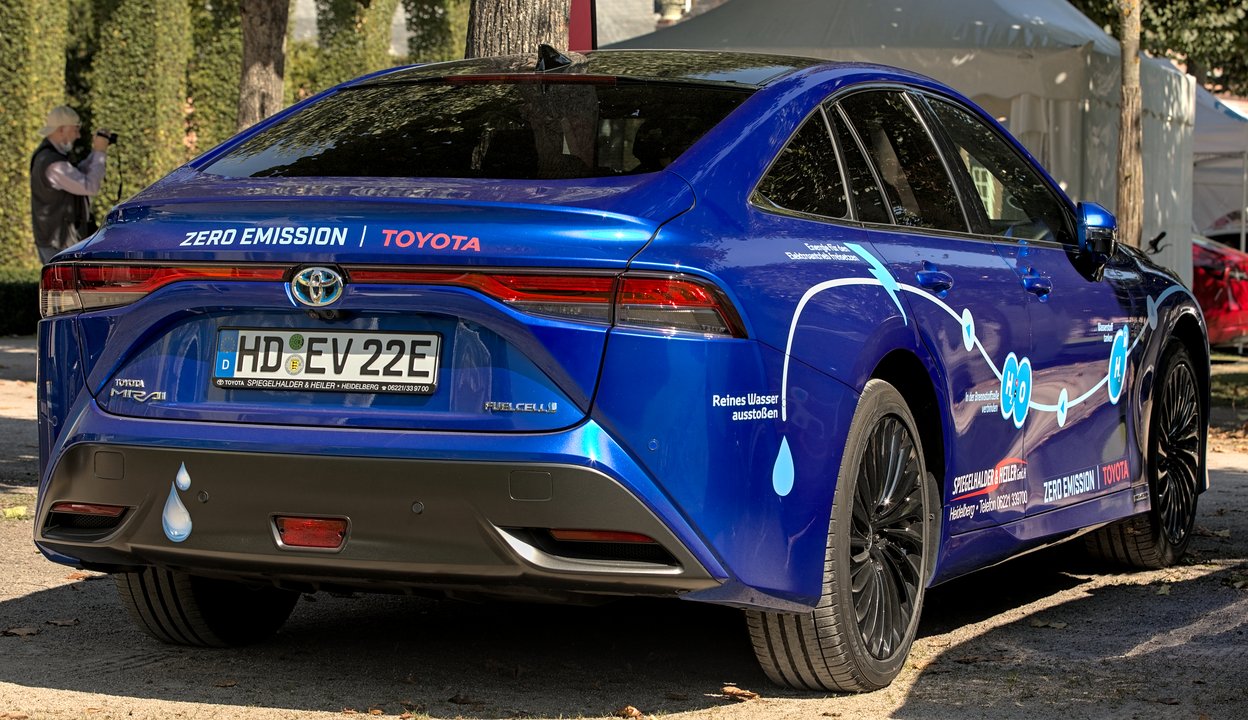
On December 9, 2020, Toyota launched the second-generation Mirai. Inside the fuel-cell sedan was a DENSO silicon-carbide power semiconductor, the commercial result of roughly twenty-five years of work to make a difficult material survive automotive use.
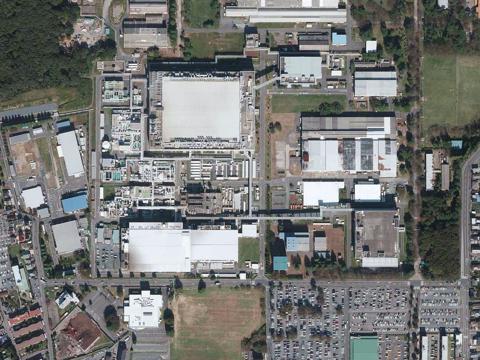
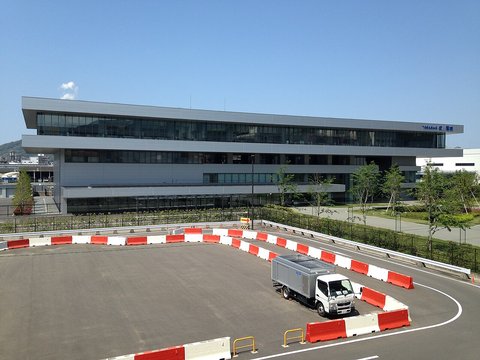
The pin is Toyota’s Motomachi Plant, where the Mirai is produced. It is the vehicle’s assembly site, not DENSO’s semiconductor laboratory, but this is where the chip’s value had to become a complete car rather than remain a promising device specification.
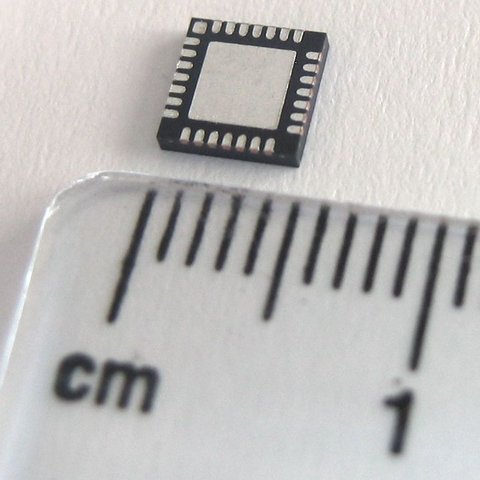
The good was the passage from materials research to a saleable system. Silicon carbide can switch high voltages with lower losses than conventional silicon devices, helping an inverter become smaller and waste less energy as heat.
In a fuel-cell vehicle, that efficiency matters between the stack, battery, motor, and road.
DENSO’s account says ordinary commercial SiC material did not meet its automotive quality requirements, so the company worked from material and device through module and system design. That vertical span echoed the method behind Toyota and DENSO’s earlier silicon power devices: test the semiconductor against the environment of the whole vehicle, not merely against a laboratory curve.
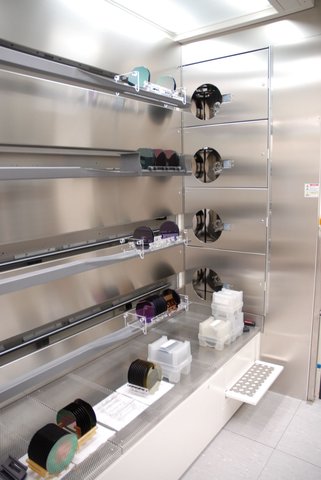
The bad was the time, capital, and concentration of risk. A quarter-century development path is hard to finance, and controlling material growth, wafer defects, device fabrication, packaging, cooling, and qualification requires competencies that few suppliers can hold together.
Vertical integration shortens technical feedback loops, but it also makes one corporate group responsible when any layer misses cost, yield, or reliability targets.
The Mirai was also a cautious proof point rather than instant mass adoption. A flagship fuel-cell sedan can validate a demanding component, yet its production volume and fueling ecosystem are far smaller than the broad hybrid and battery-electric markets that SiC suppliers ultimately seek.
Success in one technically prestigious vehicle did not settle the question of affordable scale.
Motomachi makes that tension visible. Toyota’s former LFA work area became the Mirai line, combining specialized assembly with a vehicle intended to signal a new energy era.
The DENSO SiC device was therefore both an engineering achievement and a test: could technology perfected through unusually long, integrated development travel beyond a low-volume showcase?
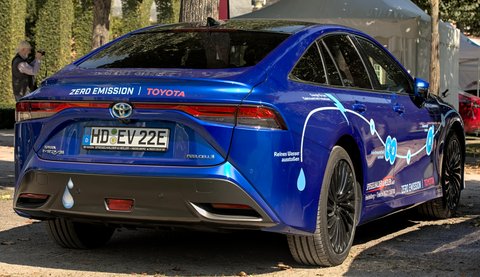
The cover shows a second-generation Mirai at Classic-Gala 2021 in Germany. It depicts the model that carried DENSO’s SiC semiconductor, not the Motomachi production line or the hidden device itself.
Sources: DENSO, “A tough little component for cars, flying vehicles and other mobility products in daily life”; DENSO Integrated Report 2022 SiC feature; Toyota, “New Mirai Launch,” 9 December 2020; Toyota Motomachi Plant profile and global production-site list; Mapion Motomachi Plant listing.
Photo: Alexander Migl, CC BY-SA 4.0, via Wikimedia Commons.






























 expand_more