Semiconductor History | Kyocera Fushimi — The Ceramic Beneath IBM’s System/360
volume_up
Listen
directions
Directions
In April 1966, Kyoto Ceramic—today’s Kyocera—received an order to supply 25 million alumina substrates for IBM’s System/360 computers. The thin ceramic pieces sat beneath IBM’s solid-logic modules, providing an electrically insulating but mechanically stable base for the components and their connections.
The order was far larger and more demanding than the young company’s previous work. Kyocera’s account says the substrate had to satisfy a dense set of dimensional, flatness, strength, and electrical requirements; an independent academic history confirms the month, customer, quantity, material, and System/360 application.
The good outcome was capability accumulation. A hard customer specification forced Kyocera to improve materials preparation, firing, measurement, quality control, and volume production together. Those skills became a bridge from industrial ceramics into multilayer semiconductor packages—the protective and connective structures that let an integrated circuit operate inside a larger system. It was manufacturing knowledge that could travel beyond one computer model.
The bad side was concentration risk disguised as a breakthrough. A contract representing an exceptional volume could consume people and equipment before the process was proven, while rejection by one powerful customer could damage the entire company. Custom qualification also tied learning to IBM’s architecture rather than to a broad open market.
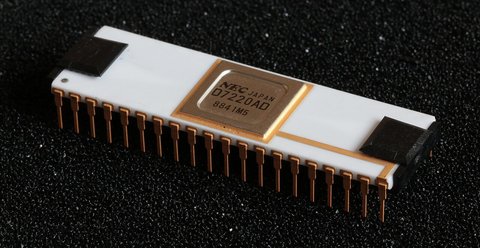
Ceramic packages later faced competition from cheaper plastic alternatives, especially as consumer electronics and personal computers demanded enormous volumes. Kyocera’s strength therefore never removed the need to move toward higher-value package designs, electronic components, and other applications when a once-premium material became vulnerable to substitution.
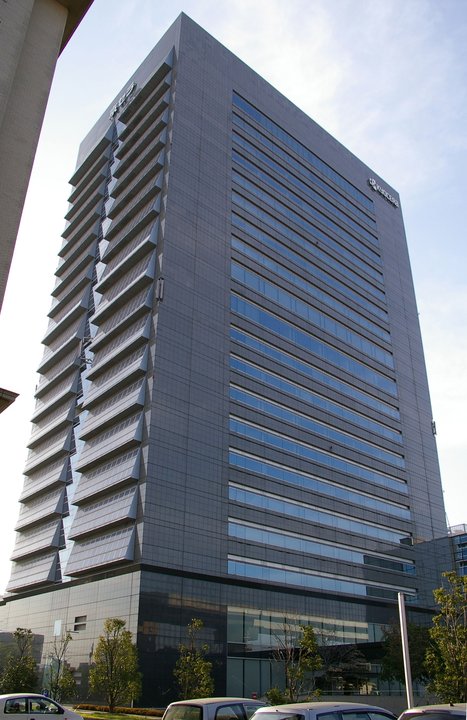
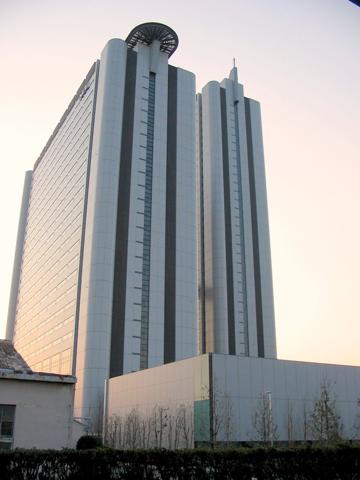
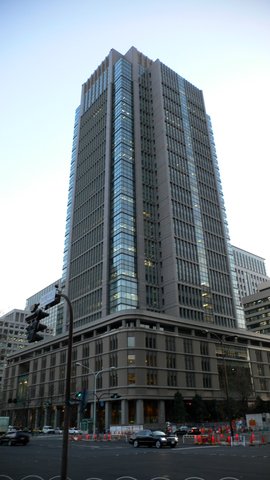
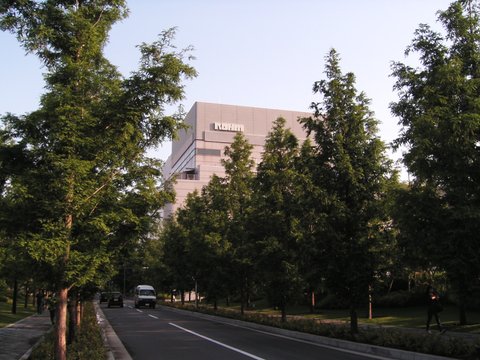
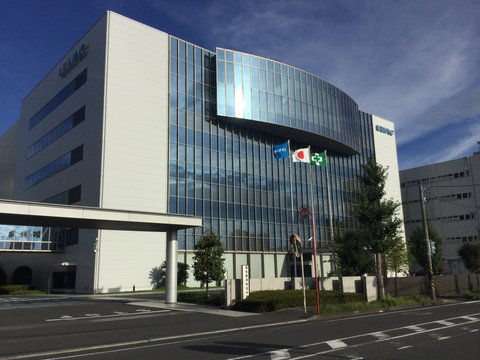
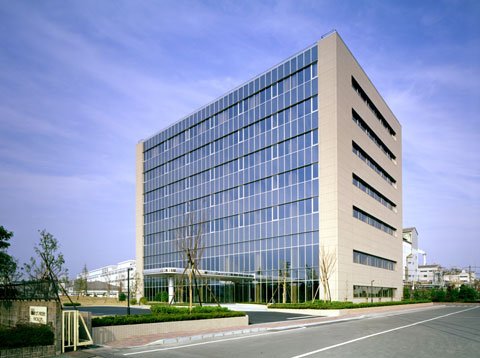
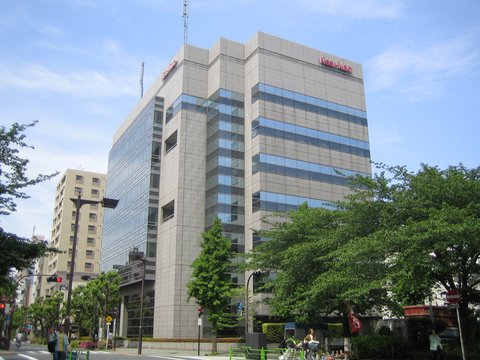
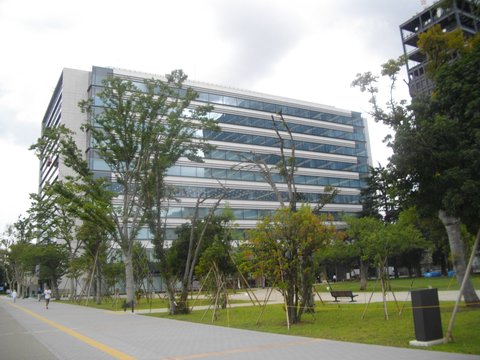
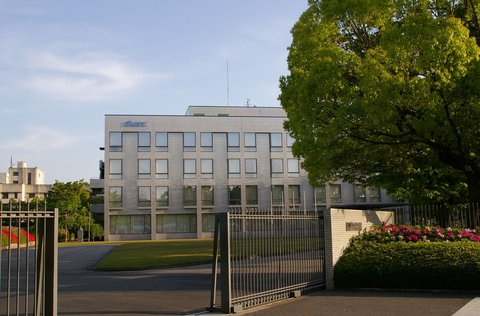
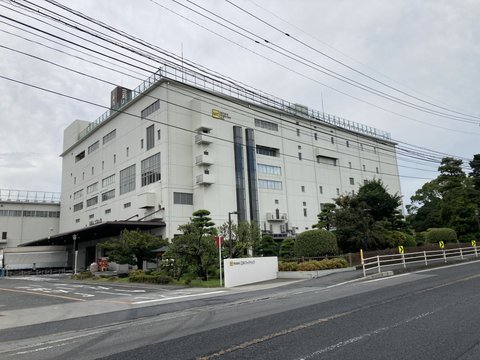
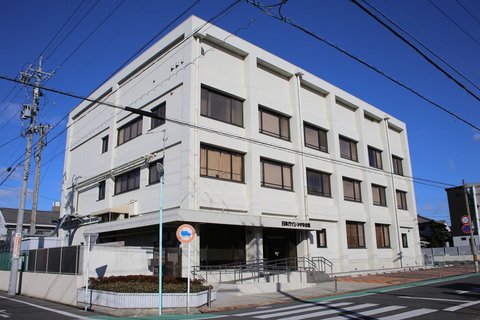
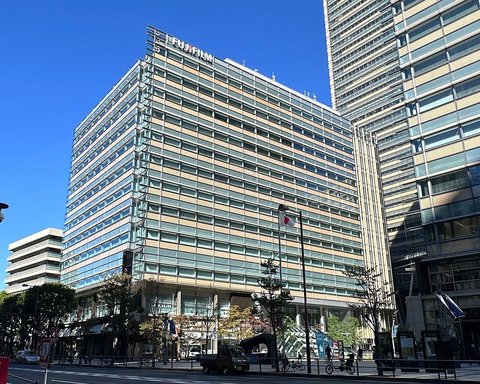
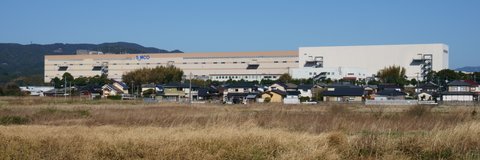
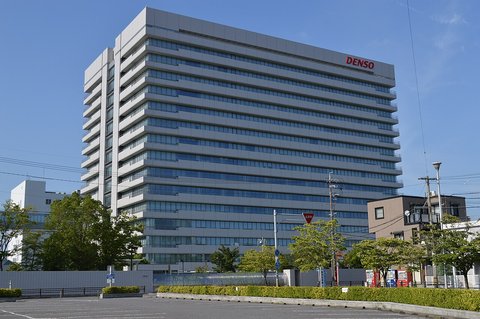
This Fushimi headquarters was completed decades after the 1966 order, and the original production work occurred at Kyocera’s earlier Kyoto and Shiga operations. The pin is still a meaningful public anchor because the headquarters’ Fine Ceramics Museum, opened in 1998, preserves the company’s ceramic and electronic-component lineage; the photograph does not claim to show the System/360 production room.
Sources: [Kyocera corporate history](https://global.kyocera.com/company/history/until1979.html); [Kyocera account of the IBM order](https://global.kyocera.com/inamori/archive/episode/episode-16.html); [independent J-STAGE study of Kyocera’s System/360 order](https://www.jstage.jst.go.jp/article/inamori/2/1/2_1/_html/-char/en); [IBM System/360 history](https://www.ibm.com/history/system-360); [Kyocera Fine Ceramics Museum](https://global.kyocera.com/fcworld/museum/).
Photo: J o, CC BY-SA 3.0, via Wikimedia Commons.
## 2. Semiconductor History|SCREEN Kyoto — Printing Chemistry Becomes Wafer Equipment




 expand_more