Semiconductor History | RIKEN Kobe — A64FX Carries Arm to Number One
volume_up
Listen
directions
Directions
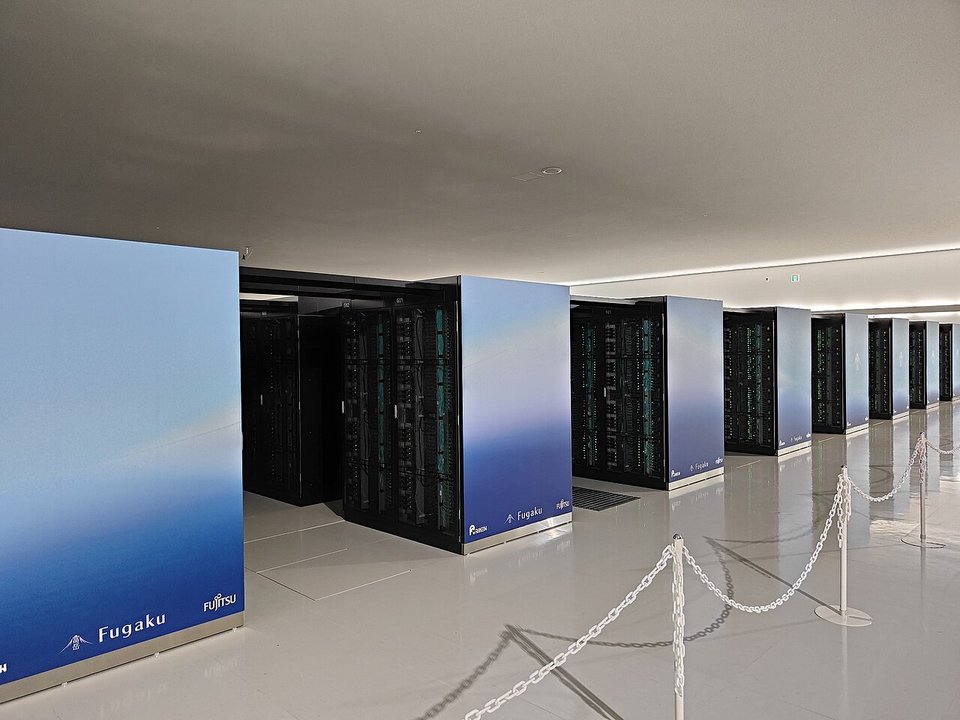
On 22 June 2020, Fugaku reached first place in the TOP500 ranking with 415.53 petaflops from 152,064 nodes. It also led HPCG, HPL-AI, and Graph500, making one Japanese system the first to hold all four benchmark crowns at once.
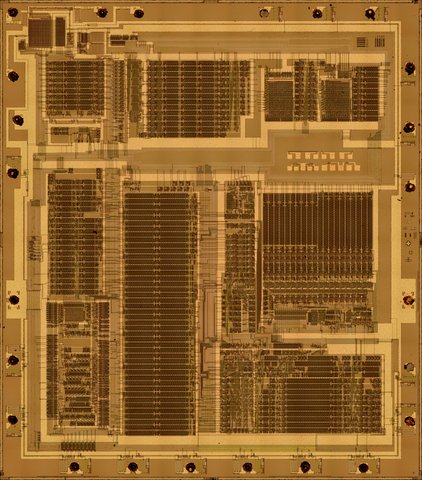
The machine's decisive component was Fujitsu's A64FX, developed with RIKEN around an Armv8.2-A instruction set rather than the proprietary SPARC lineage used by the K computer. Each processor combined 48 compute cores with 32 GiB of HBM2 memory delivering 1,024 GB/s of peak bandwidth, plus Fujitsu's Tofu network interface.
The good was balance. Long scientific calculations often stall while data moves, so placing fast memory beside the processor and giving Arm's Scalable Vector Extension a 512-bit implementation let A64FX feed arithmetic units without relying on separate accelerator cards.
The four rankings mattered because they tested different strengths: dense linear algebra, application-like workloads, mixed-precision AI, and irregular graph traversal. Fugaku's sweep therefore said more than a single peak-speed trophy, and its TOP500 victory made A64FX the first Arm processor to power the list's number-one system.
The bad was specialization. A node's 32 GiB of exceptionally fast memory was also a hard capacity boundary, while code had to be compiled and tuned for wide SVE vectors, the chip's memory groups, and a vast parallel machine before the hardware's theoretical advantages became real application speed.
Arm compatibility widened the software base, but it did not make x86 programs automatically fast or turn A64FX into a mass-market server chip. Fujitsu sold related PRIMEHPC systems beyond Fugaku, yet the custom processor, on-package HBM2, and Tofu fabric remained a focused high-performance platform rather than a broadly reusable commodity design.
For Fujitsu, the result preserved a Japanese custom-CPU capability while exchanging an isolated instruction set for a global one. The gain was world-leading performance and a wider ecosystem; the cost was a machine whose best results still depended on painstaking co-design among silicon, memory, network, compilers, and applications.
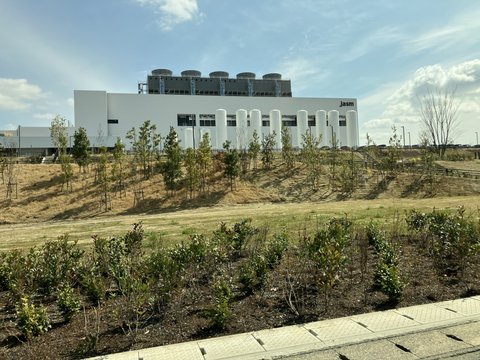
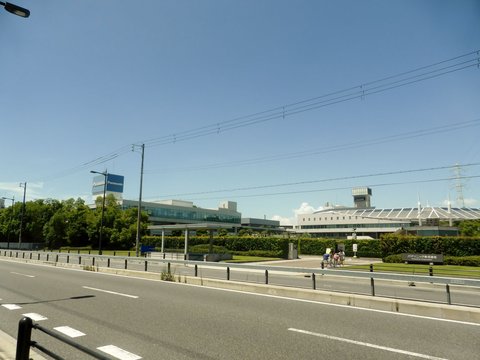
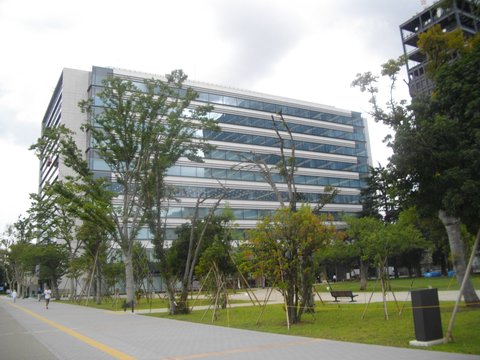
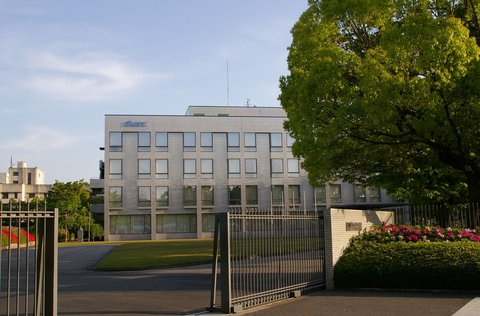
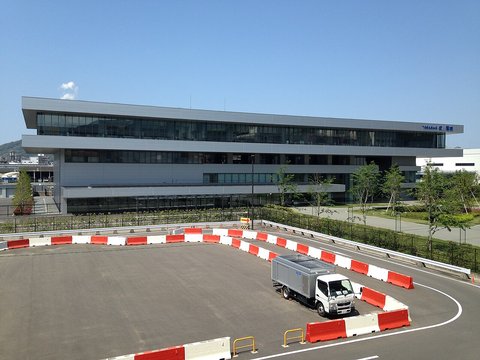
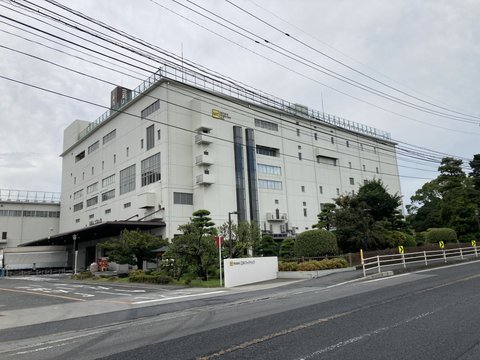
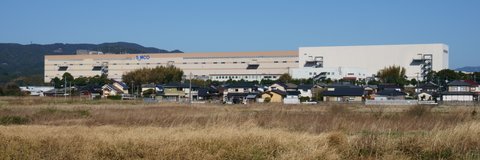
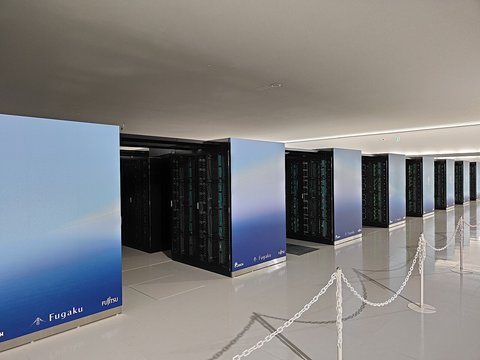
The pin is the Fugaku installation at RIKEN's Kobe center, not Fujitsu's chip-design office or wafer fab. The cover shows the operating system's blue-and-black cabinets at that exact site, photographed four years after the ranking milestone.
Sources: RIKEN, “Japan's Fugaku gains title as world's fastest supercomputer,” 23 June 2020; RIKEN R-CCS, Fugaku system overview and *Fugaku Codesign Report*; TOP500, June 2020 list and highlights; Fujitsu, A64FX datasheet and *Supercomputer Fugaku CPU A64FX* technical review; Arm, “Fujitsu A64FX: Arm-powered Heart of World's Fastest Supercomputer,” 10 July 2020; RIKEN R-CCS, current Kobe directions.
Photo: Barsaka2, CC0, via Wikimedia Commons. https://commons.wikimedia.org/wiki/File:RIKEN_R-CCS_Fugaku.jpg













 expand_more