
- Home
- Semiconductor History | Japan | From Nihonbashi to Chitose
- Semiconductor History | OKI Hachioji — The Chip Business Becomes LAPIS
Semiconductor History | OKI Hachioji — The Chip Business Becomes LAPIS
· 2008-10
Personal memoryBy kevin · · updated · Report an issue

Find memories left by people near you.
Distribute Bounty
This will distribute the bounty equally among all qualifying memories. This action cannot be undone.
Cancel Bounty
Are you sure you want to cancel this bounty? The remaining amount will be refunded to your account.
Success!
Operation completed successfully.
Error
Something went wrong.
Semiconductor History | OKI Hachioji — The Chip Business Becomes LAPIS
kevin
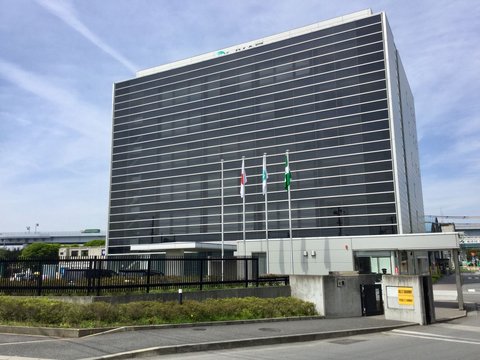
On October 1, 2008, Oki Electric spun off its semiconductor business as OKI Semiconductor Co., Ltd. and transferred 95 percent of the new company’s shares to ROHM. The deal ended direct control by a communications-equipment pioneer whose Hachioji operation had begun transistor production in 1961, IC production in 1967, and microprocessor production in 1977.
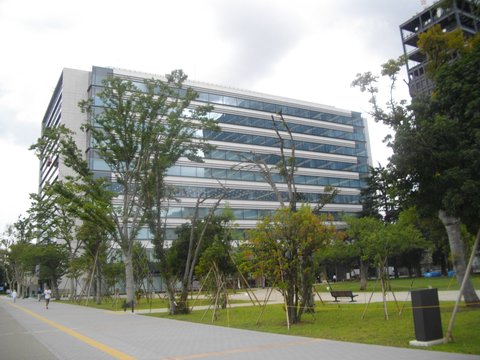
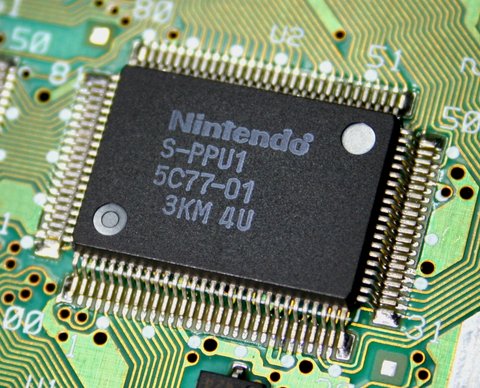
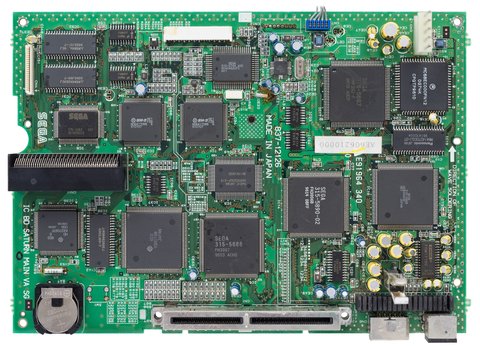
ROHM bought a portfolio with relatively little overlap: low-power, high-voltage, mixed digital-and-analog, small-package, memory, optical-communications, logic, and foundry capabilities. In 2011 OKI Semiconductor became LAPIS Semiconductor, and later reorganizations separated design and manufacturing activities within the ROHM group. The lineage remains visible in low-power microcontrollers and mixed-signal technologies even after the OKI name left the chips.
The good was a more focused home for the engineering. ROHM could combine its analog and discrete strengths with OKI’s digital, communications, and low-power knowledge, share fabs and sales channels, and keep products supported through a difficult financial cycle. Customers did not have to redesign every system simply because the former parent wanted to concentrate on information, telecom, printers, and mechatronics.
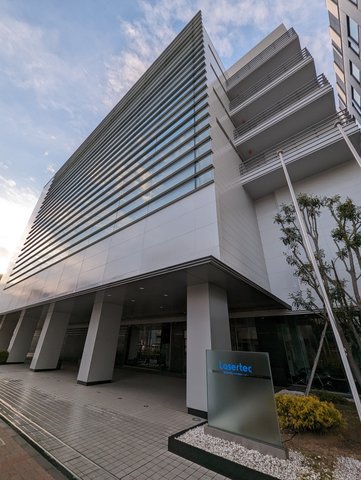
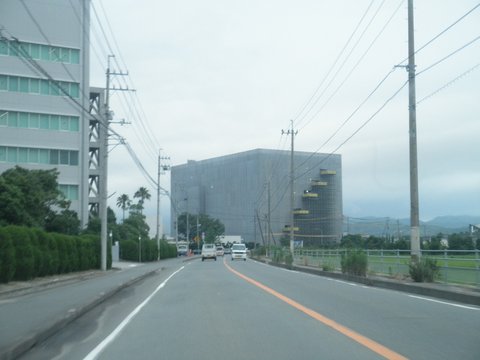
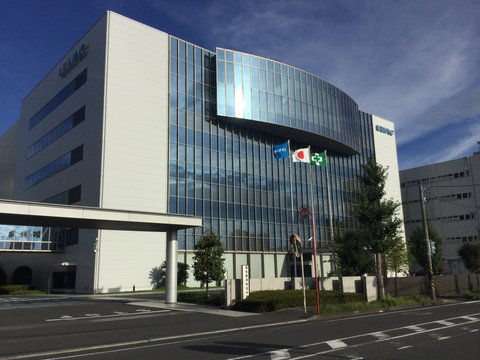
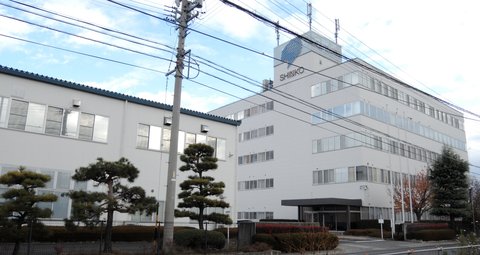
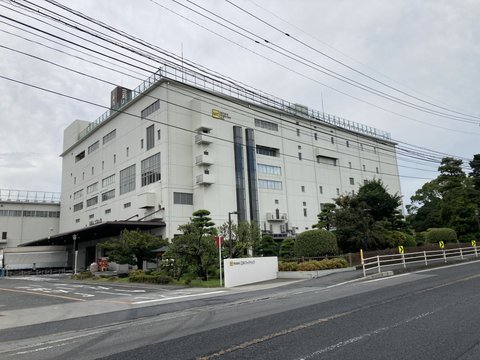
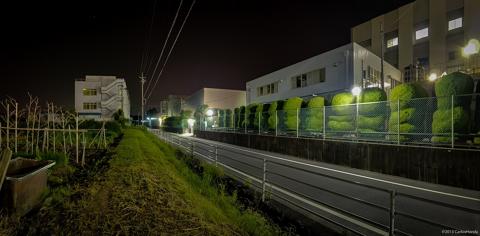
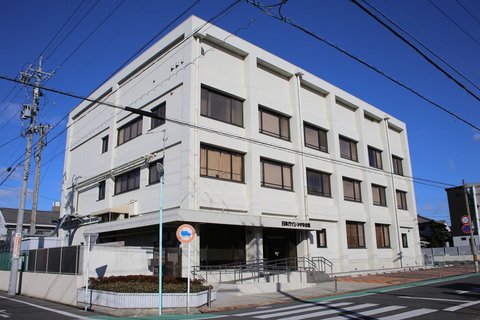
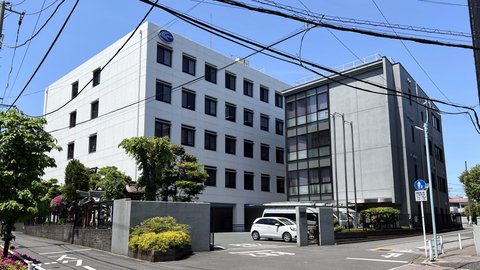
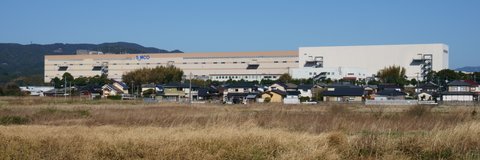
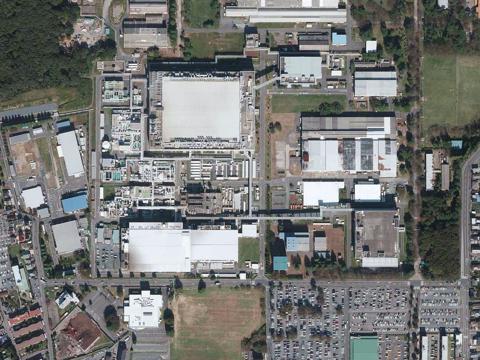
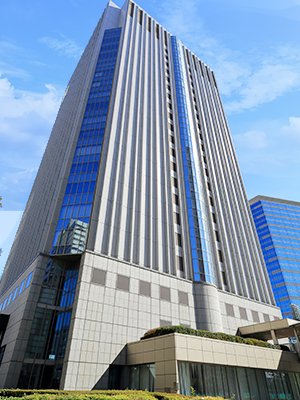
The bad was strategic retreat. Japan lost another semiconductor business inside a diversified electronics company, and the promised synergy came with integration risk, overlapping operations, and less local autonomy. The physical site tells the story bluntly: the former 550-1 Hachioji technology and production district was later redeveloped, and the address is now occupied by the Iias Takao shopping center. Industrial memory can disappear from the streetscape even when the intellectual property survives elsewhere.
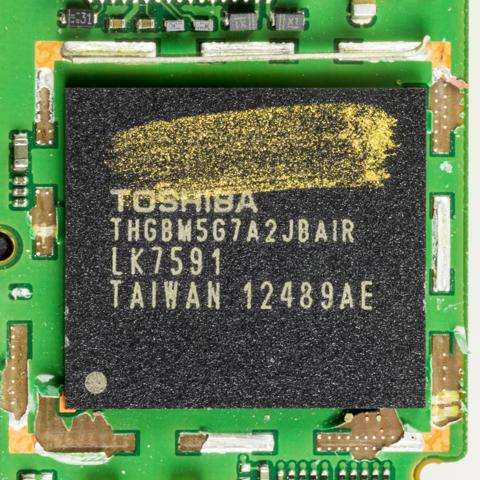
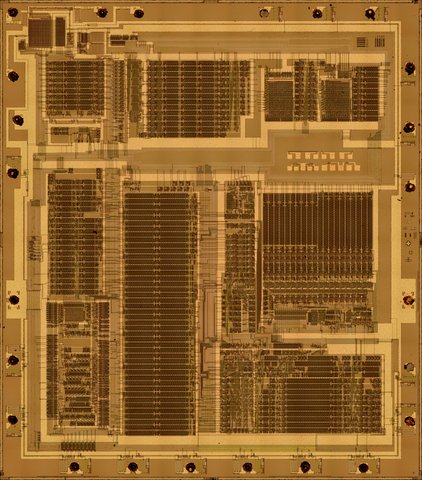
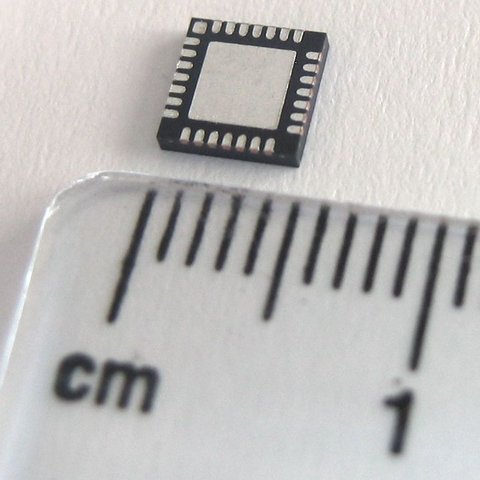
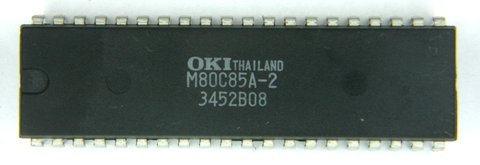
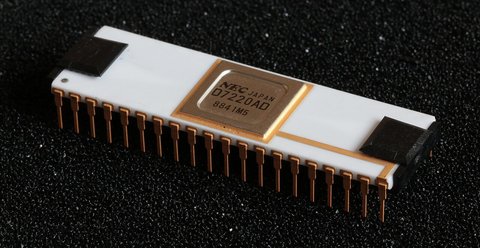
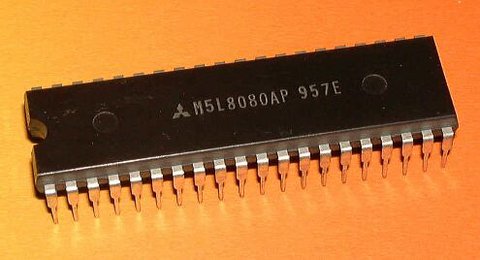
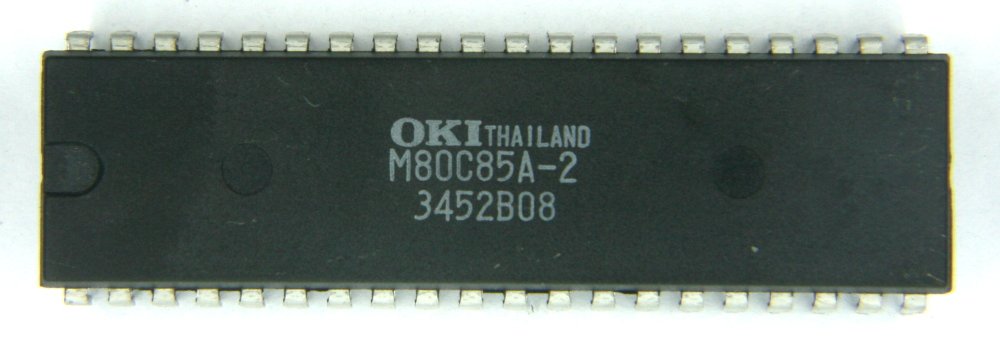
The pin uses the verified center of that former OKI parcel. The cover is an actual OKI M80C85A-2, an 8085-compatible processor marked as made in Thailand; it illustrates OKI’s semiconductor catalog and global manufacturing, not the 2008 transfer ceremony or a Hachioji-made part.
Sources: OKI 2008 environmental and corporate reports; ROHM 2009 Annual Report and acquisition notices; LAPIS Semiconductor corporate history.
Photo: “Ic-photo-OKI--M80C85A-2--(8085-CPU),” ZyMOS, CC BY-SA 4.0. https://commons.wikimedia.org/wiki/File:Ic-photo-OKI--M80C85A-2--(8085-CPU).JPG
changes?
delete this memory?
We detected that you have a Blox in your crypto wallet! We will import the Blox into your account.
Click on done below to complete the import.
Welcome Back!
Sign in to preserve cherished moments
Don't have an account?
Welcome!!
Sign up and start preserving cherished moments
?
?
Choose your payment method
Buy with Metablox Credit
Do you want to mint Blox with Metablox Credit?
Which Crypto would you like to use?
Purchase Confirmed!
Your Blox is being minted on-chain and will appear in your profile shortly.
Log in or sign up to claim your Blox.
How many credits do you want to buy?
$100 USD = 1 Metablox Credit = 1 Blox.
Use Metablox Credit to mint any Blox you want on the map.
expand_more