
- Home
- Semiconductor History | Japan | From Nihonbashi to Chitose
- Semiconductor History | Muratec Kyoto — The Wafer Carrier Moves Overhead
Semiconductor History | Muratec Kyoto — The Wafer Carrier Moves Overhead
· 1986
Personal memoryBy kevin · · updated · Report an issue

Find memories left by people near you.
Distribute Bounty
This will distribute the bounty equally among all qualifying memories. This action cannot be undone.
Cancel Bounty
Are you sure you want to cancel this bounty? The remaining amount will be refunded to your account.
Success!
Operation completed successfully.
Error
Something went wrong.
Semiconductor History | Muratec Kyoto — The Wafer Carrier Moves Overhead
kevin
In 1986, Murata Machinery released a cleanroom overhead transport system and entered clean-material handling. Its Japanese Clean FA history calls the early machine “Sky Lab Clean,” while the broader corporate timeline uses the SKY RAV name for the overhead system developed that year.
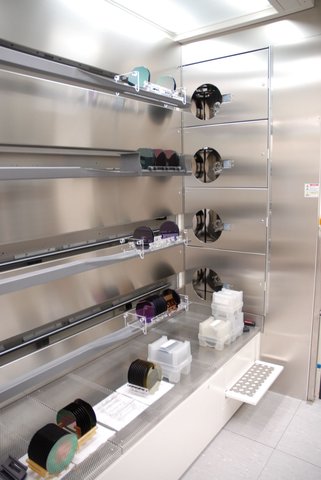
The idea was to move sensitive material above the factory floor. Rails, carriers, stockers, and control software could deliver wafer containers directly between process tools without human handling, while non-contact power and clean mechanical design reduced particle generation.
The good side was higher utilization. Automated material handling keeps expensive tools supplied, uses ceiling space that would otherwise be wasted, shortens travel, and records the location of work in progress across a large fab.
It also turned a textile-machinery company into a semiconductor-infrastructure specialist. Muratec could reuse decades of factory automation, storage, motion control, and systems integration rather than compete by designing chips itself.
The system became more valuable as fabs grew and wafer routes became longer and more complicated. Transport time is inventory: every carrier waiting between tools ties up costly work, so dispatch software and buffer placement can influence factory output as surely as mechanical speed.
The bad side is systemic dependence. The transport network connects much of a fab, so software congestion, a rail fault, a failed carrier, or a control-server problem can delay many production steps instead of one isolated machine.
Expansion is difficult after installation. Customers may become tied to a vendor’s interfaces, routing logic, spare parts, and service organization, while the supplier must support near-continuous operation and absorb semiconductor capital-spending swings.
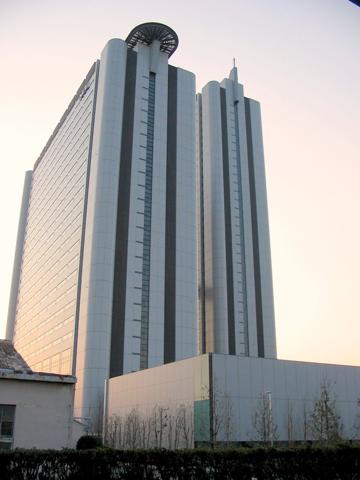
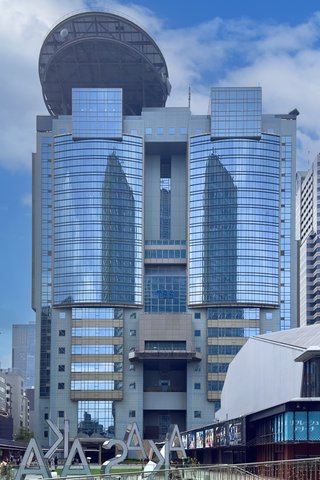
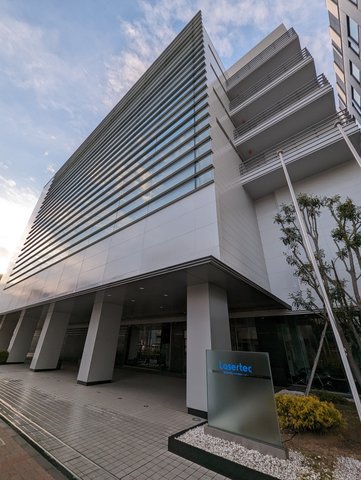
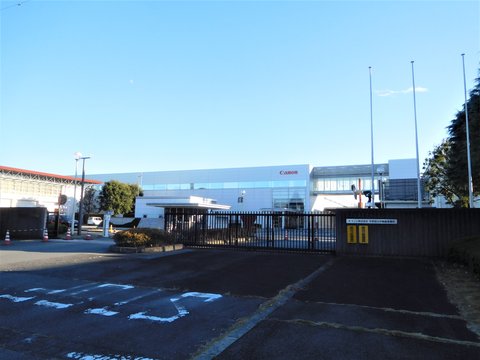
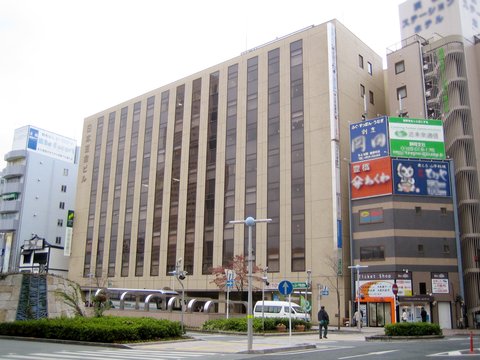
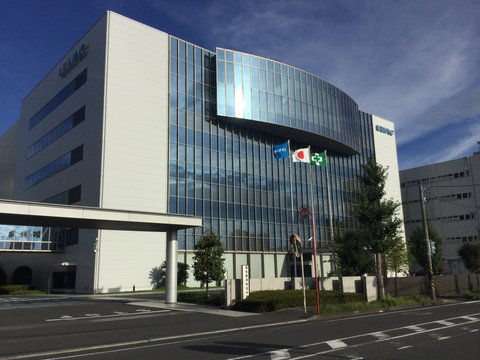
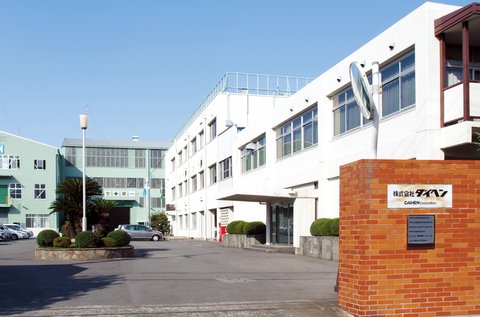
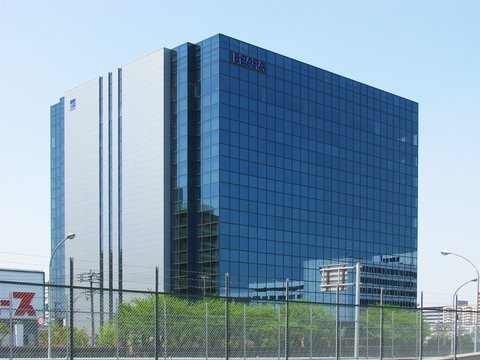
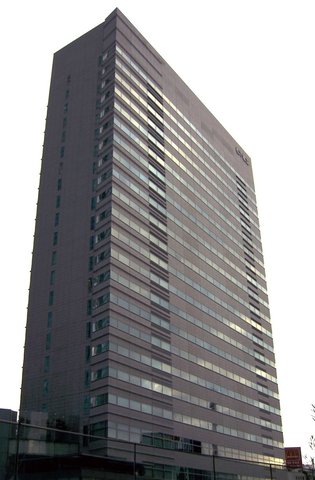
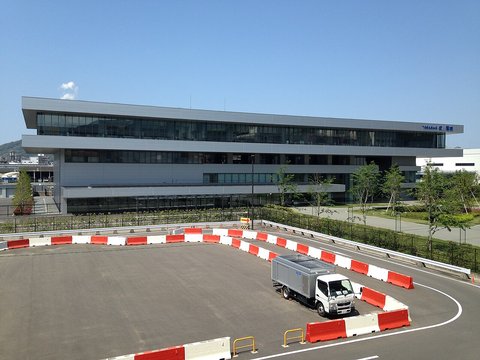
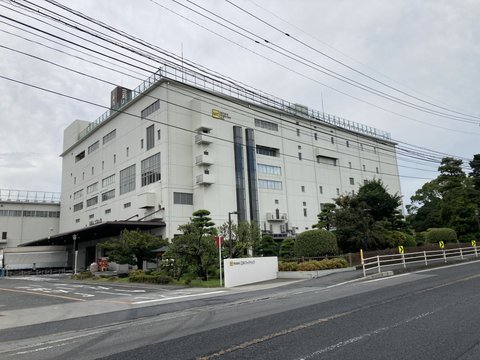
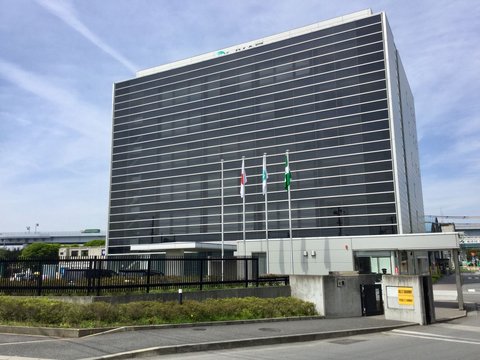
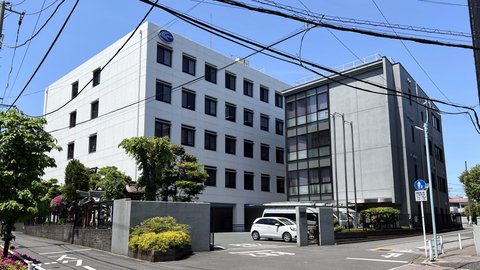
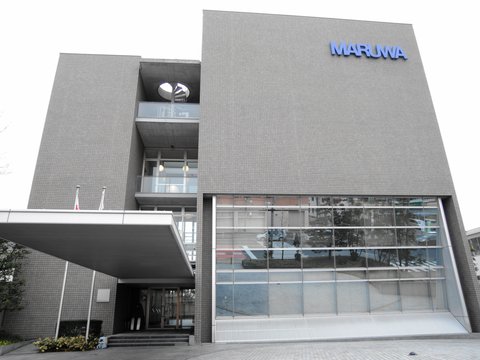
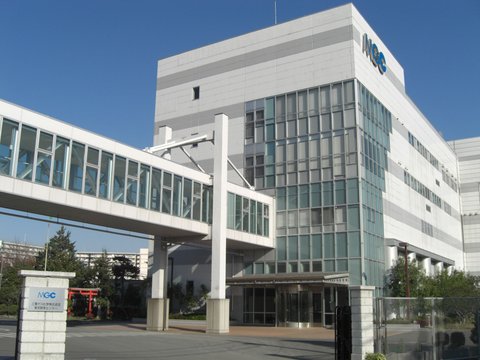
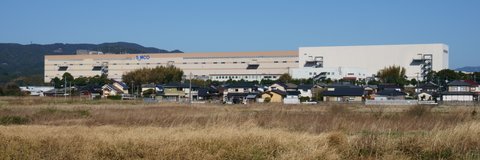
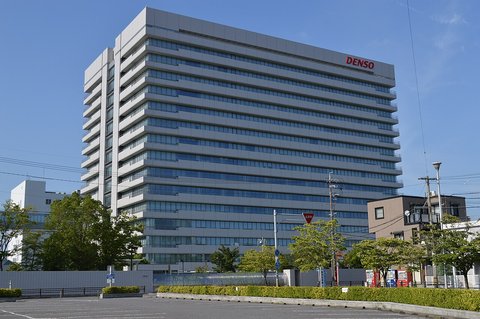
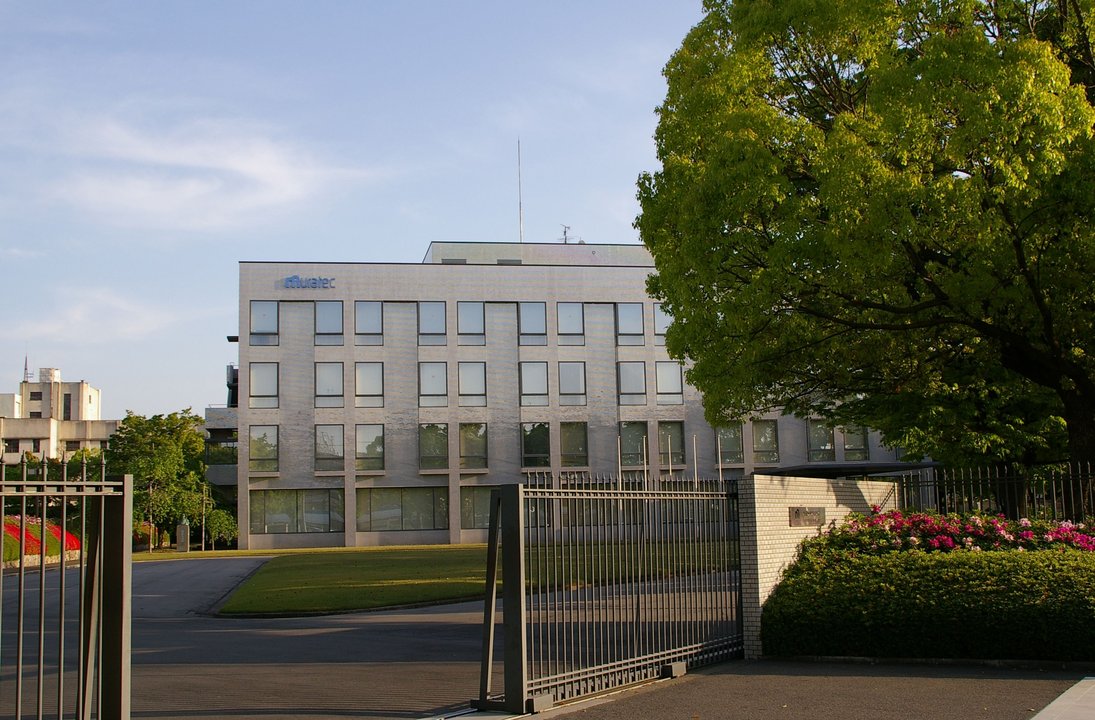
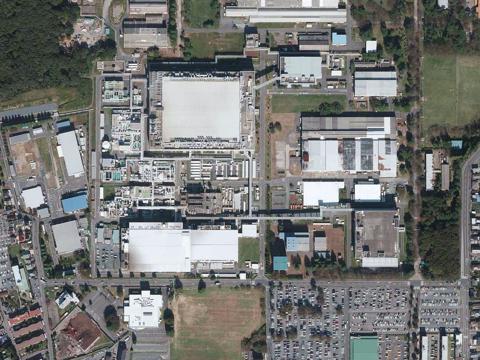
The photo shows Murata Machinery’s Kyoto headquarters, recognizable by the Muratec mark. Clean FA production and testing also occur at operating sites including Inuyama and Ise, so this pin represents the corporate lineage rather than claiming that every overhead carrier was built here.
Sources: [Murata Machinery corporate history](https://www.muratec.com/company/info/history/); [Clean FA business history](https://www.muratec.jp/cfa/root/history.php); [Logistics & Automation history](https://logistics.muratec.net/about/history/); [Mie Prefecture semiconductor-industry profile of Muratec’s Ise operations](https://www.pref.mie.lg.jp/common/content/001141230.pdf).
Photo: J o, CC BY-SA 3.0, via Wikimedia Commons.
changes?
delete this memory?
We detected that you have a Blox in your crypto wallet! We will import the Blox into your account.
Click on done below to complete the import.
Welcome Back!
Sign in to preserve cherished moments
Don't have an account?
Welcome!!
Sign up and start preserving cherished moments
?
?

Choose your payment method
Buy with Metablox Credit
Do you want to mint Blox with Metablox Credit?
Which Crypto would you like to use?
Purchase Confirmed!
Your Blox is being minted on-chain and will appear in your profile shortly.
Log in or sign up to claim your Blox.
How many credits do you want to buy?
$100 USD = 1 Metablox Credit = 1 Blox.
Use Metablox Credit to mint any Blox you want on the map.
expand_more