
- Home
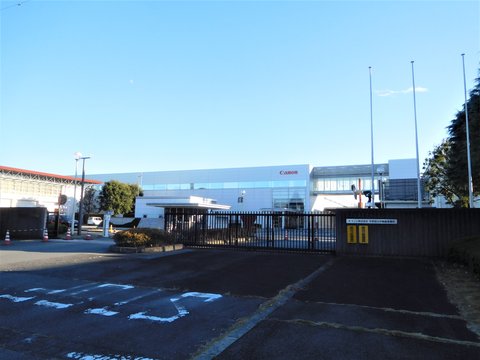
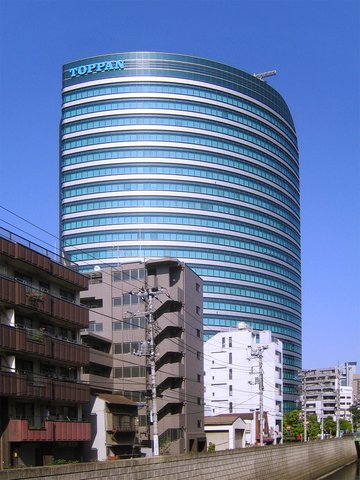
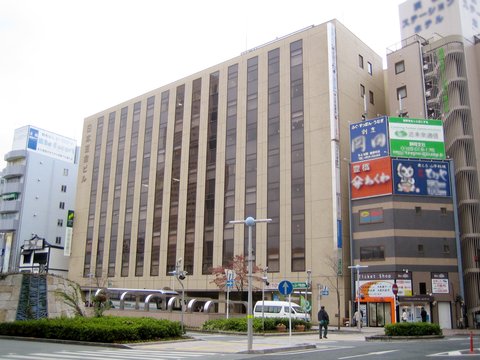
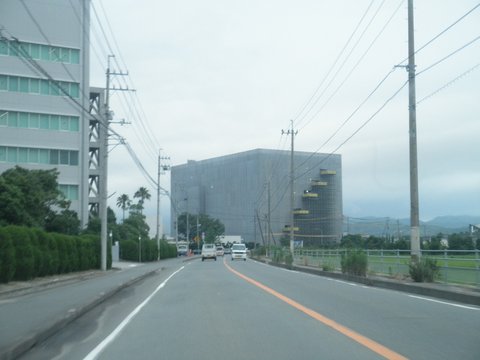
- Semiconductor History | Japan | From Nihonbashi to Chitose
- Semiconductor History | Hitachi Musashi — SH-2 Wins a Console, and Multiprocessing Gets Complicated
Semiconductor History | Hitachi Musashi — SH-2 Wins a Console, and Multiprocessing Gets Complicated
· 1993
Personal memoryBy kevin · · Report an issue

Find memories left by people near you.
Distribute Bounty
This will distribute the bounty equally among all qualifying memories. This action cannot be undone.
Cancel Bounty
Are you sure you want to cancel this bounty? The remaining amount will be refunded to your account.
Success!
Operation completed successfully.
Error
Something went wrong.
Semiconductor History | Hitachi Musashi — SH-2 Wins a Console, and Multiprocessing Gets Complicated
kevin
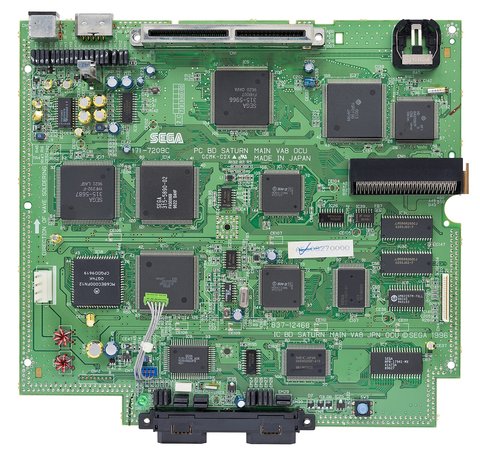
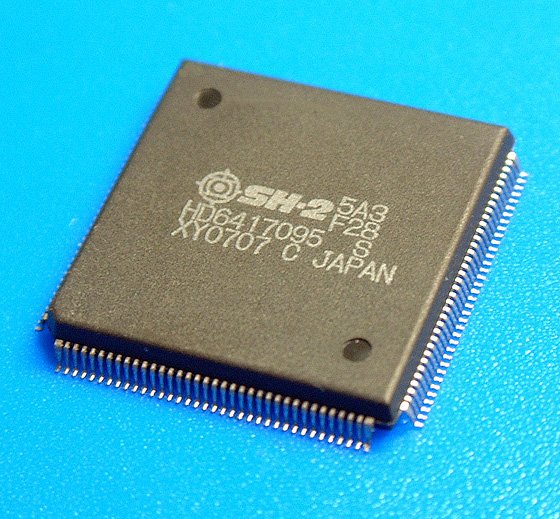
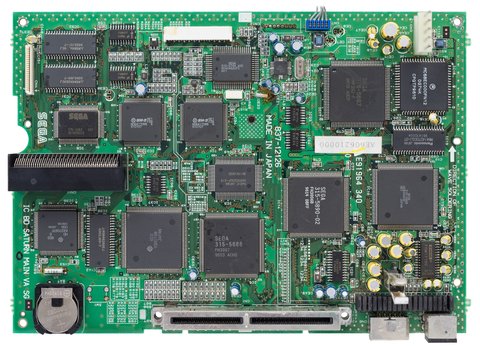
Renesas traces the introduction of Hitachi’s SuperH family to 1993, describing it as a single-chip 32-bit RISC microcomputer designed to deliver useful performance with little memory and no cache. The improved SH-2 soon won a conspicuous consumer role: Sega’s Saturn, released on November 22, 1994, used two of the processors.
RISC kept the instruction set compact while on-chip peripherals made the device practical outside a workstation. For Sega, two SH-2s offered programmable 32-bit horsepower beside dedicated video and audio processors; the same CPU choice also appeared in the quickly developed Super 32X upgrade, letting Hitachi’s embedded architecture reach millions of game players.

The good was leverage across markets. A core designed for control could scale through cameras, industrial equipment, automotive systems, and entertainment, while upward-compatible SH generations added DSP, floating-point, cache, and memory-management features. A console design win gave a Japanese microcontroller family software tools, visibility, and volume that no technical brochure could create alone.
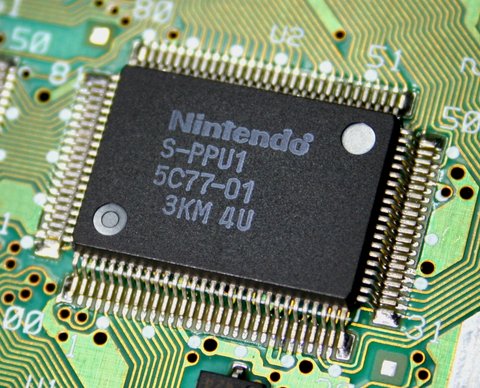
The bad was that two processors do not automatically behave like one faster processor. Software had to divide work, synchronize shared state, and accommodate a Saturn architecture crowded with specialized chips; Sega’s own history says the parallel Super 32X launch confused licensees and users and ended in 1995 as development was consolidated on Saturn. Performance was real, but system complexity and platform strategy could waste it.
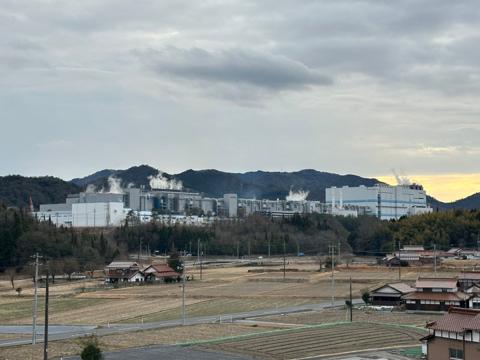
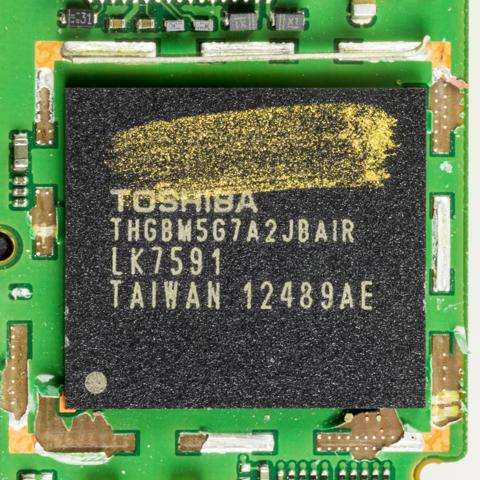
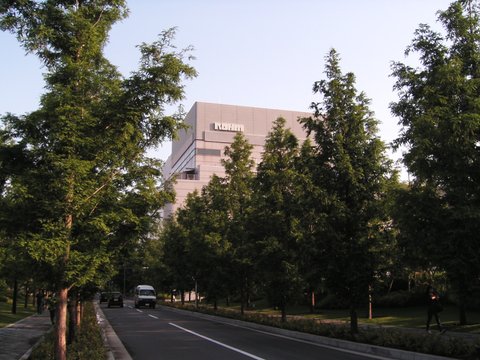
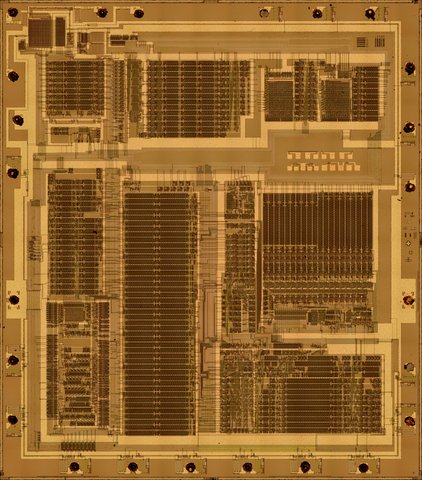
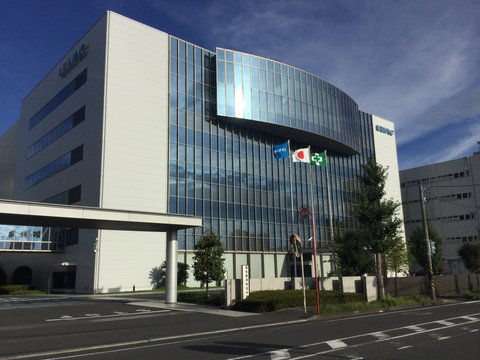
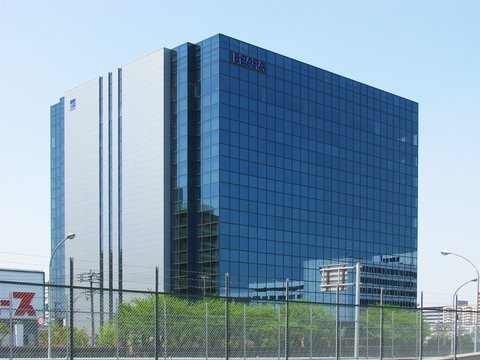
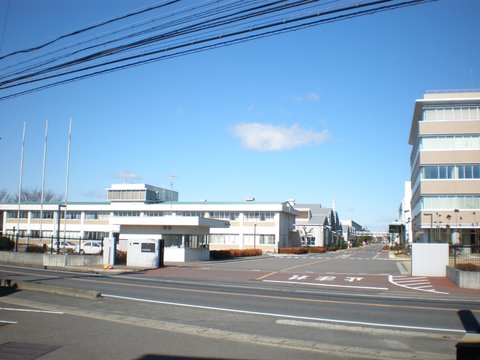
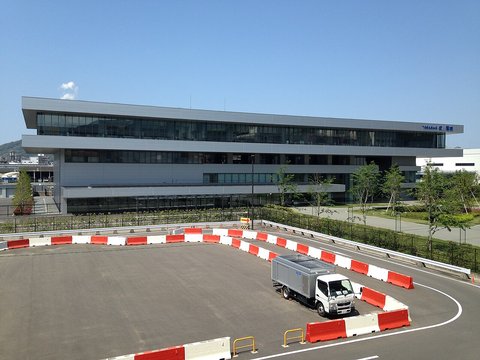
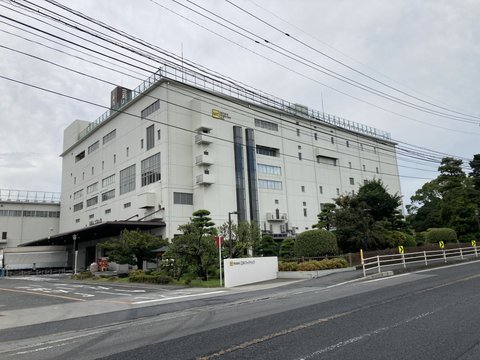
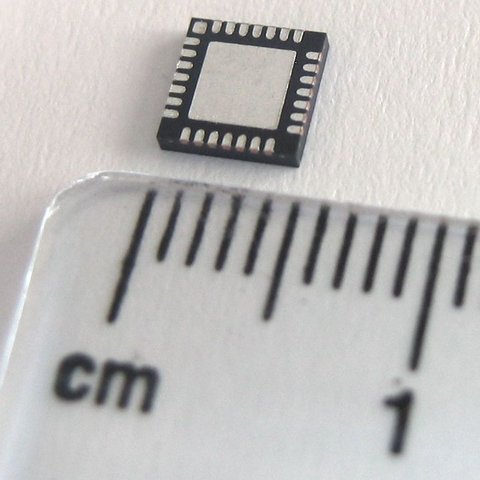
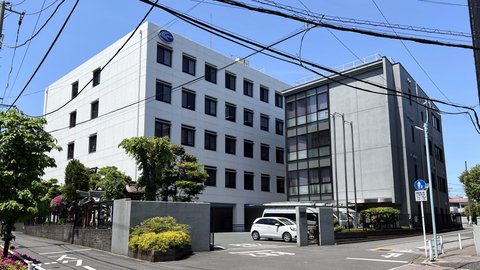
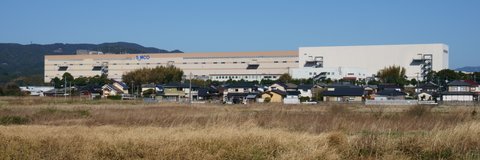
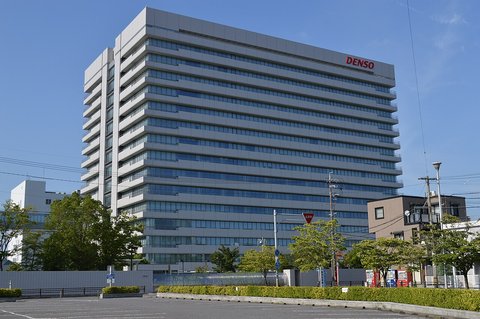
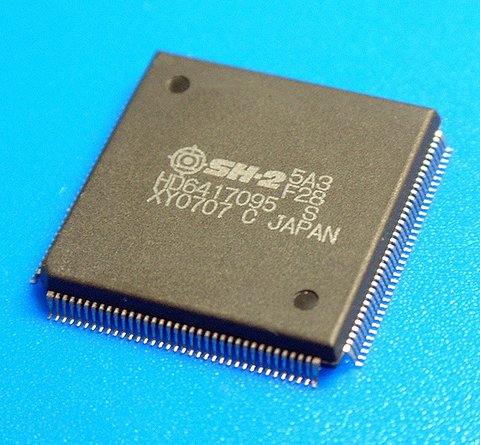
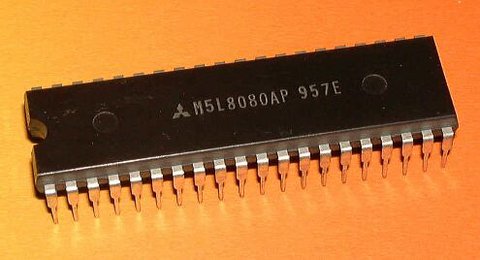
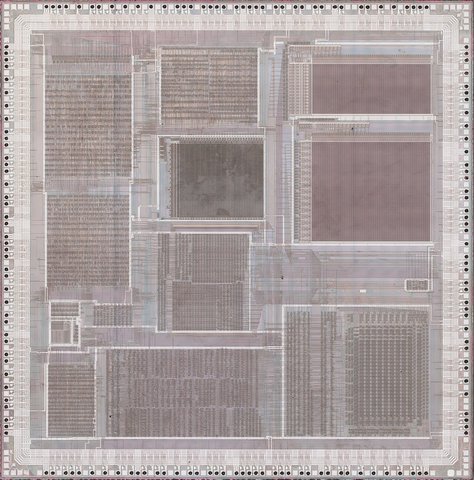
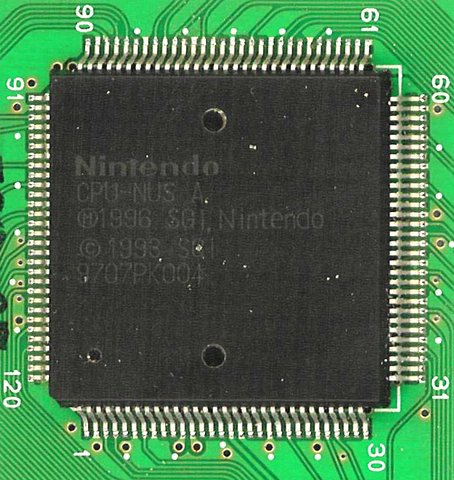
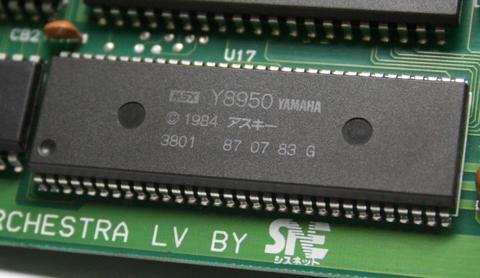
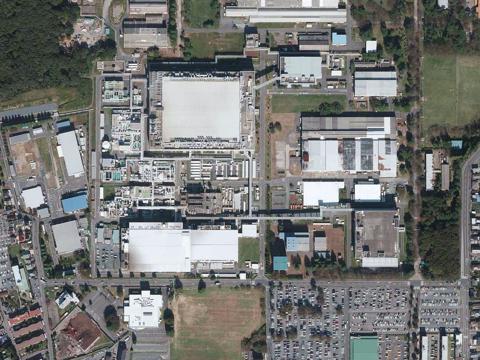
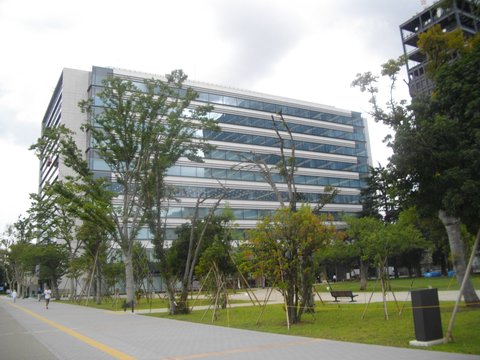
The pin marks Renesas’s verified Musashi Site, where semiconductor products and microcontrollers are developed, designed, inspected, and supported today. It is a lineage anchor, not a claim that this exact building created the first SH-2. The cover shows a genuine Hitachi HD6417095 SH7604 package, but not a processor removed from a Saturn.
Sources: Renesas SuperH family history, SH-2/SH7604 manuals, Musashi Site environmental profile, and global-operations page; Sega Saturn hardware overview and corporate history.
Photo: “HD6417095 01,” Yaca2671, CC BY-SA 3.0. https://commons.wikimedia.org/wiki/File:HD6417095_01.jpg
changes?
delete this memory?
We detected that you have a Blox in your crypto wallet! We will import the Blox into your account.
Click on done below to complete the import.
Welcome Back!
Sign in to preserve cherished moments
Don't have an account?
Welcome!!
Sign up and start preserving cherished moments
?
?

Choose your payment method
Buy with Metablox Credit
Do you want to mint Blox with Metablox Credit?
Which Crypto would you like to use?
Purchase Confirmed!
Your Blox is being minted on-chain and will appear in your profile shortly.
Log in or sign up to claim your Blox.
How many credits do you want to buy?
$100 USD = 1 Metablox Credit = 1 Blox.
Use Metablox Credit to mint any Blox you want on the map.
expand_more