Semiconductor History | Yamaha Toyooka — Y8950 Records Sound and Loses the Price War
volume_up
Listen
directions
Directions
In 1987, Matsushita Electric sold the Panasonic FS-CA1 MSX-AUDIO unit in Japan for ¥34,800. A contemporary company advertisement placed it beside the ¥29,800 FS-A1 computer, making the sound expansion more expensive than the machine it was meant to extend.
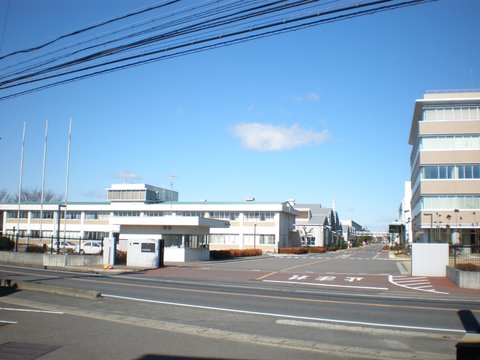
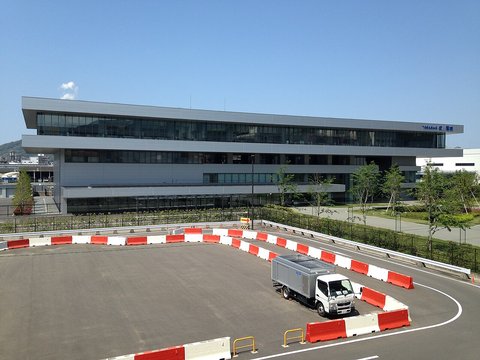
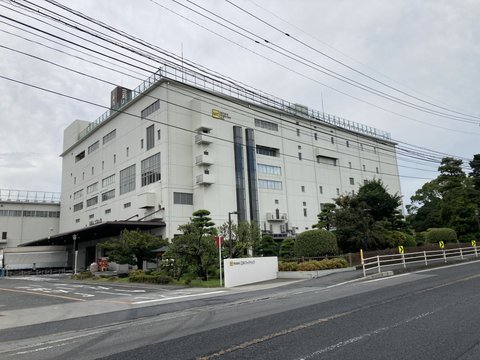
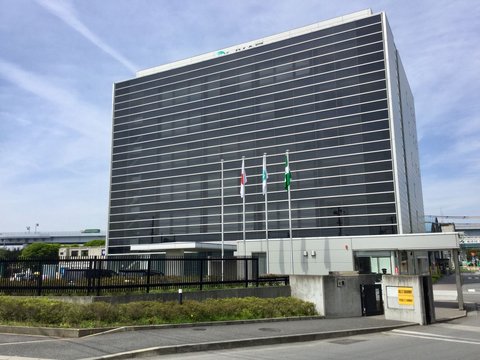
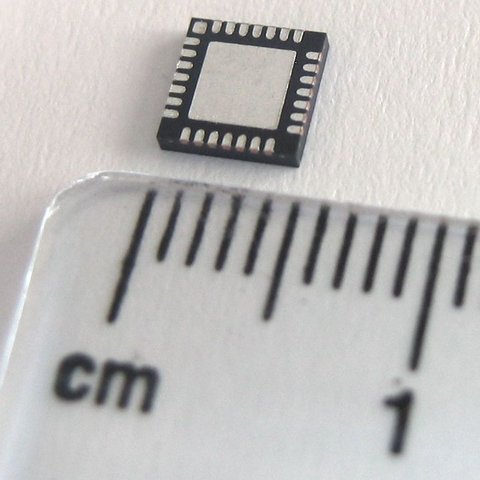
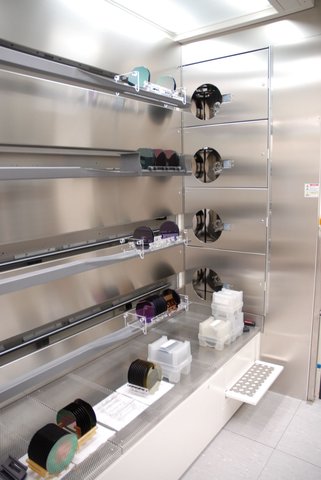
Yamaha (ヤマハ) had completed its Toyooka semiconductor factory in 1971 and begun external LSI sales in 1983. The Y8950 showed the ambitious side of that business: it was designed as an optional sound source for MSX2 computers, with synthesis and sampled audio in one 64-pin package.
Its FM section could play nine two-operator voices, or six melodic voices with five rhythm sounds. The chip also contained hardware for four-bit ADPCM voice analysis and synthesis, so a system could record sound, compress it, store it in external memory, and play it back.
The good was that MSX-AUDIO went beyond a music chip. A microphone could capture a spoken phrase or percussion hit, while programmable FM instruments supplied the melody; timers, input/output ports, and keyboard-scanning connections helped a cartridge behave like a small music workstation.
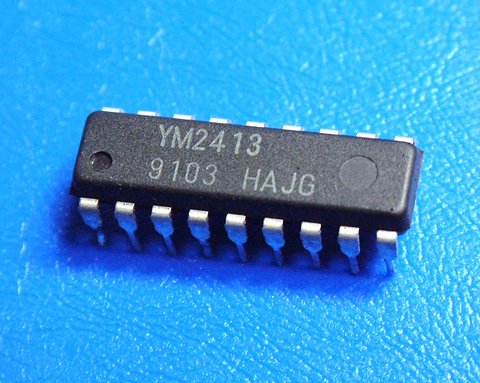
That flexibility also avoided the fixed instrument library used by Yamaha’s cheaper YM2413 OPLL. Composers could shape their own FM patches instead of choosing almost everything from ROM.
The bad was the supporting system around the silicon. A complete MSX-AUDIO product needed memory, conversion circuitry, firmware, connectors, and software, and not every European Y8950 cartridge implemented the full Panasonic specification.
Price magnified the compatibility problem. Because MSX-AUDIO remained an optional cartridge, game developers could not assume that players owned it, while buyers had little reason to pay more than the computer for hardware with limited software support.
Panasonic answered the market the following year with the ¥7,800 FM Pana Amusement Cartridge built around the simpler YM2413. It gave up recording, ADPCM, and most user-programmable timbres, yet its lower price helped MSX-MUSIC become the practical standard.
The Y8950 was the richer design and the weaker product ecosystem. Its history is a useful semiconductor lesson: integration can create more capability, but capability does not remove the cost of memory, firmware, connectors, developer support, and an installed base.
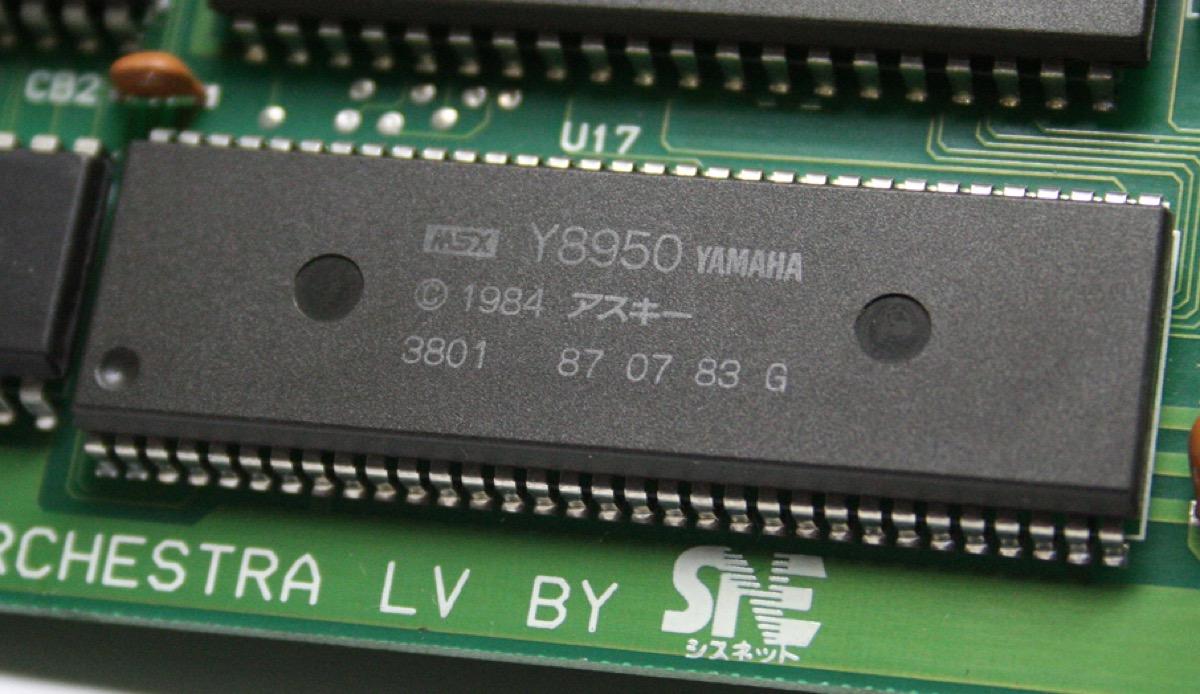
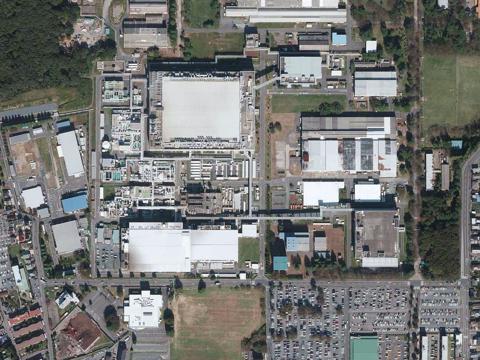
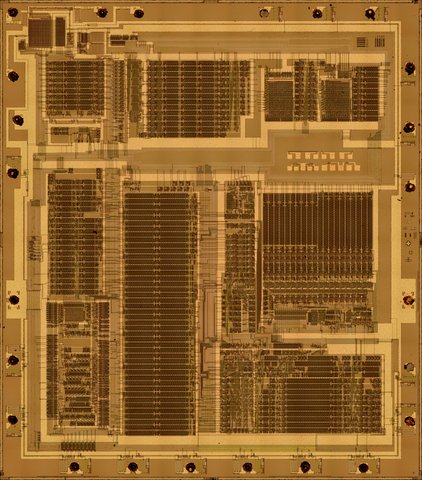
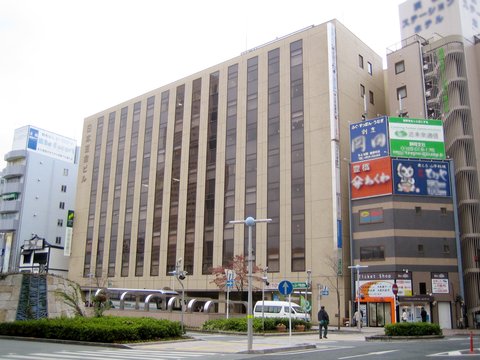
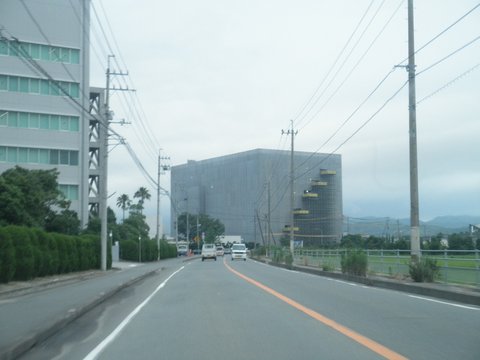
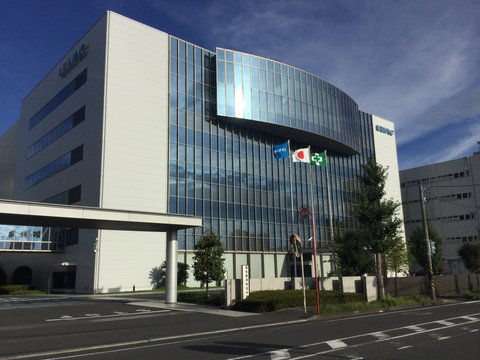
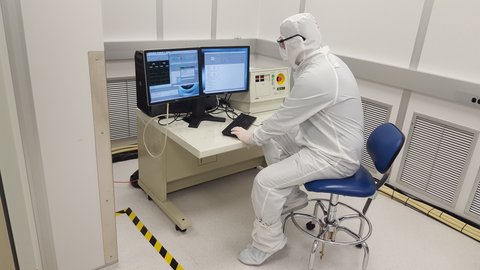
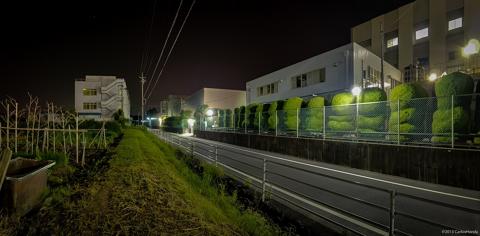
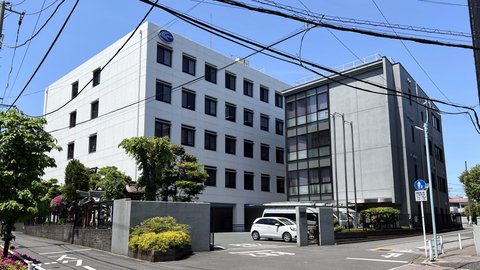
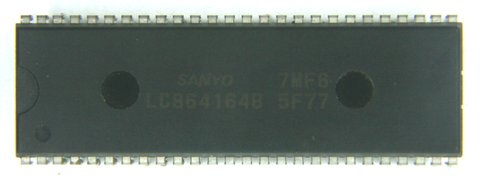
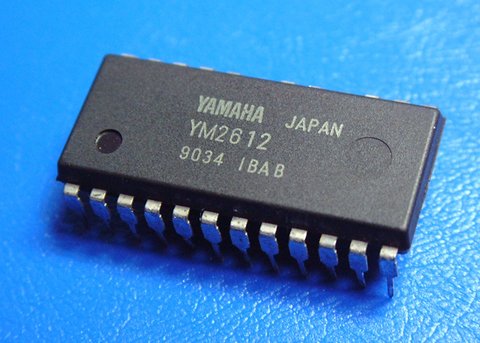
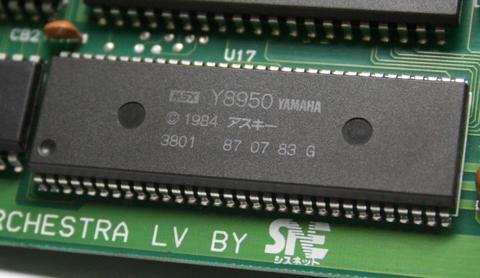
The pin marks Yamaha’s verified Toyooka factory, the institutional base of its semiconductor business, not a claim that this exact package was designed in a particular room there. The cover shows a Y8950 on SNE’s later Sound Orchestra LV board for NEC PC-9800 computers; “Y8950,” “YAMAHA,” and the 1984 copyright marking are legible, so the image documents the chip rather than the Panasonic launch cartridge.
Sources: Yamaha Y8950 MSX-AUDIO Application Manual; Panasonic advertisement in MSX・FAN, August 1987; MSX Resource Center hardware and programming records for Panasonic FS-CA1, Philips NMS-1205, and Toshiba HX-MU900; MSX-AUDIO technical history; Yamaha Corporation semiconductor-business history and Toyooka Factory location page.
Photo: Yaca2671, CC BY-SA 3.0, via Wikimedia Commons. https://commons.wikimedia.org/wiki/File:Y8950_01.jpg










 expand_more