
- Home
- Semiconductor History | Japan | From Nihonbashi to Chitose
- Semiconductor History | Sony Nihonbashi — A Radio Industry Begins Upstairs
Semiconductor History | Sony Nihonbashi — A Radio Industry Begins Upstairs
· 1946-5
Personal memoryBy kevin · · updated · Report an issue

Find memories left by people near you.
Distribute Bounty
This will distribute the bounty equally among all qualifying memories. This action cannot be undone.
Cancel Bounty
Are you sure you want to cancel this bounty? The remaining amount will be refunded to your account.
Success!
Operation completed successfully.
Error
Something went wrong.
Semiconductor History | Sony Nihonbashi — A Radio Industry Begins Upstairs
kevin
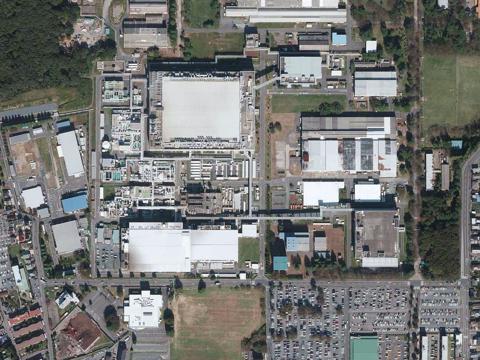
On 7 May 1946, Tokyo Tsushin Kogyo, the company later renamed Sony, formally began business in rooms inside the damaged Shirokiya department store at Nihonbashi. The location was modest, but the founders’ decision to make compact electronics rather than rebuild Japan’s prewar industrial model pointed toward a different kind of manufacturer.
Masaru Ibuka and Akio Morita first built tape recorders, then pursued the newly commercialized transistor. Ibuka secured a Western Electric patent licence in 1952, and Sony’s engineers learned to manufacture high-frequency transistors at a time when even experienced American producers struggled with yield and consistency.
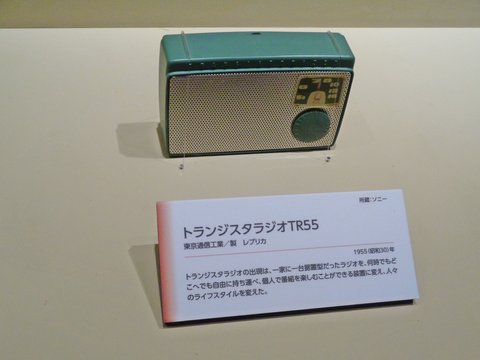
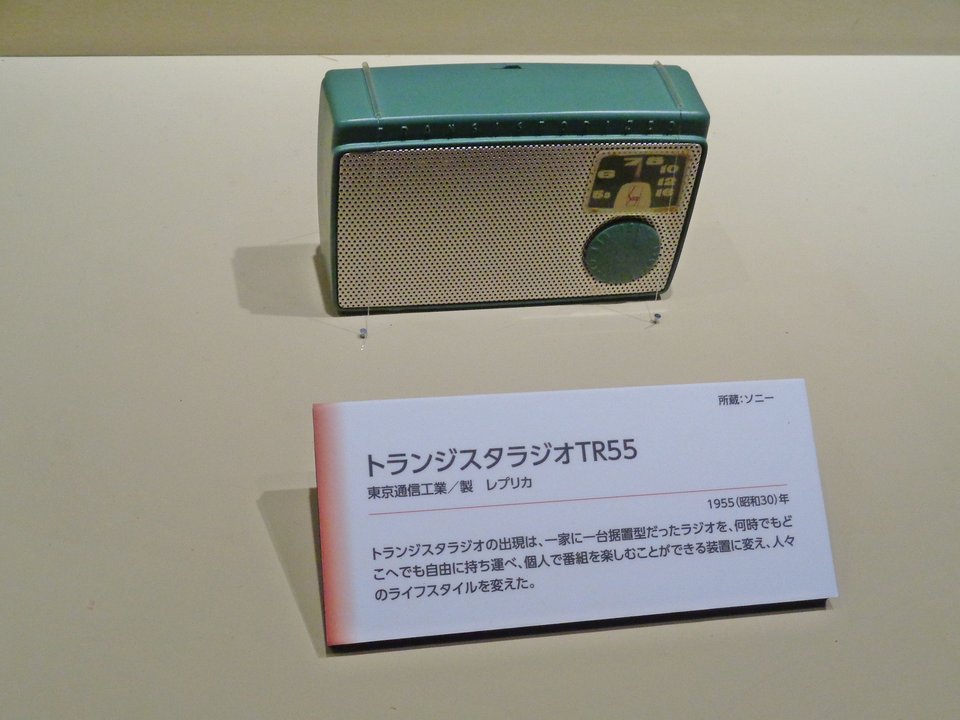
The result was the TR-55, introduced in August 1955 as Japan’s first commercially produced transistor radio. Its five transistors were made in-house, turning the radio into both a consumer product and a compact demonstration that a young Japanese company could master the device, the process, and the finished design together.
That achievement was genuinely good for Japan’s postwar semiconductor industry: it linked device engineering to exportable products, helped Sony establish its name, and trained teams to treat miniaturization as a market advantage rather than a laboratory curiosity. It also seeded a durable Japanese strength in building components and consumer experiences as one system.
The familiar success story needs two corrections. Sony did not invent the transistor, and its TR-55 was not the world’s first commercial transistor radio—the American Regency TR-1 reached customers earlier—so the breakthrough was adaptation and execution, not solitary invention.
There was a harder lesson inside the triumph as well: licensing foreign technology was only the beginning, while reliable mass production demanded expensive iteration and organizational patience. Japan’s later semiconductor ascent grew from that discipline, but the same close coupling to consumer hardware would eventually expose companies when markets, standards, and manufacturing economics shifted away from products they controlled.
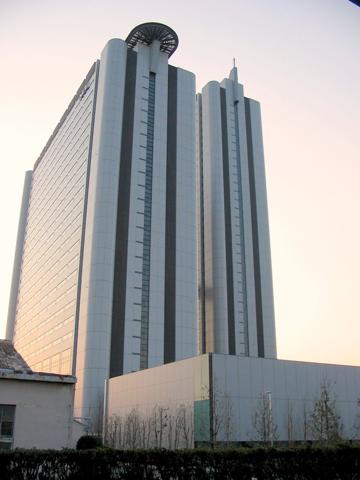
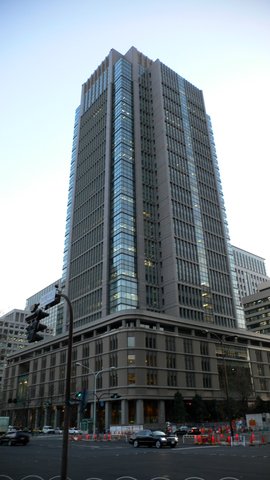
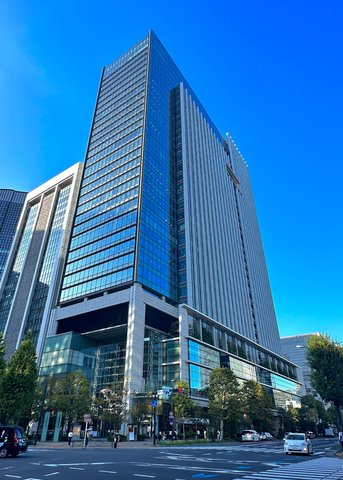
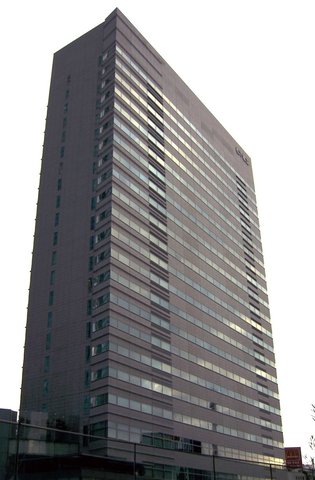
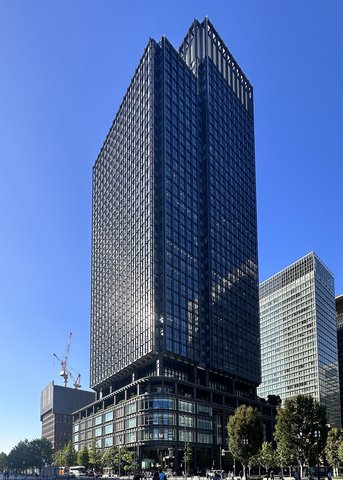
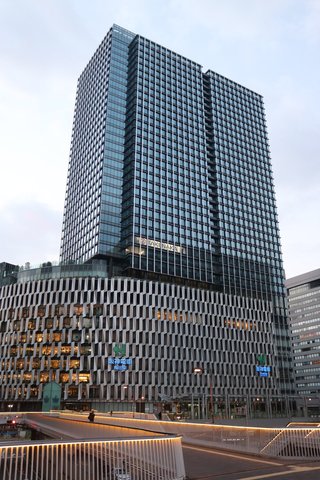
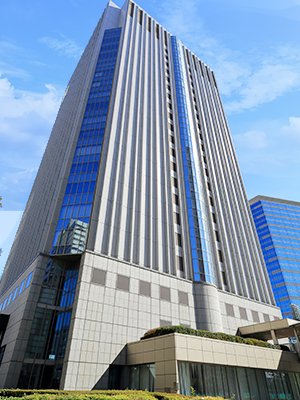
The photograph shows a surviving Sony TR-55 in a museum display, not the 1946 office; the pin marks the former Shirokiya site, now occupied by COREDO Nihonbashi. Image by ブルーノ・プラス, released under CC0 via Wikimedia Commons.
changes?
delete this memory?
We detected that you have a Blox in your crypto wallet! We will import the Blox into your account.
Click on done below to complete the import.
Welcome Back!
Sign in to preserve cherished moments
Don't have an account?
Welcome!!
Sign up and start preserving cherished moments
?
?

Choose your payment method
Buy with Metablox Credit
Do you want to mint Blox with Metablox Credit?
Which Crypto would you like to use?
Purchase Confirmed!
Your Blox is being minted on-chain and will appear in your profile shortly.
Log in or sign up to claim your Blox.
How many credits do you want to buy?
$100 USD = 1 Metablox Credit = 1 Blox.
Use Metablox Credit to mint any Blox you want on the map.
expand_more