
- Home
- Semiconductor History | Japan | From Nihonbashi to Chitose
- Semiconductor History | NEC Tamagawa — V30 Makes Compatibility a Competitive Product
Semiconductor History | NEC Tamagawa — V30 Makes Compatibility a Competitive Product
· 1984
Personal memoryBy kevin · · updated · Report an issue

Find memories left by people near you.
Distribute Bounty
This will distribute the bounty equally among all qualifying memories. This action cannot be undone.
Cancel Bounty
Are you sure you want to cancel this bounty? The remaining amount will be refunded to your account.
Success!
Operation completed successfully.
Error
Something went wrong.
Semiconductor History | NEC Tamagawa — V30 Makes Compatibility a Competitive Product
kevin
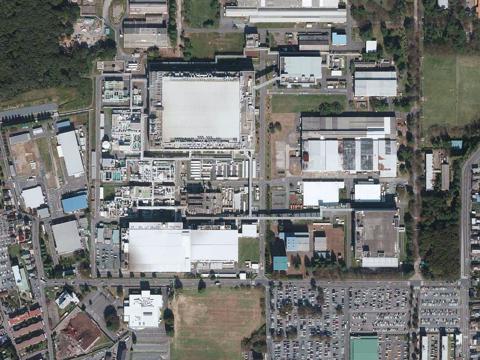
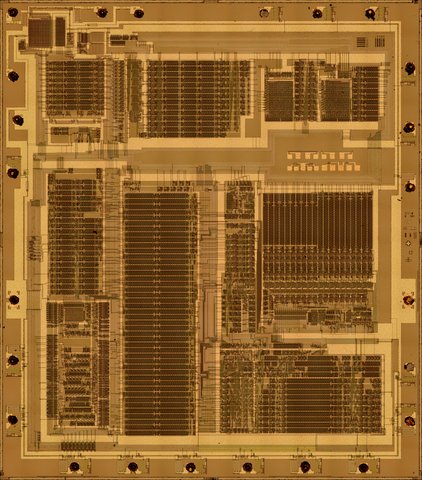
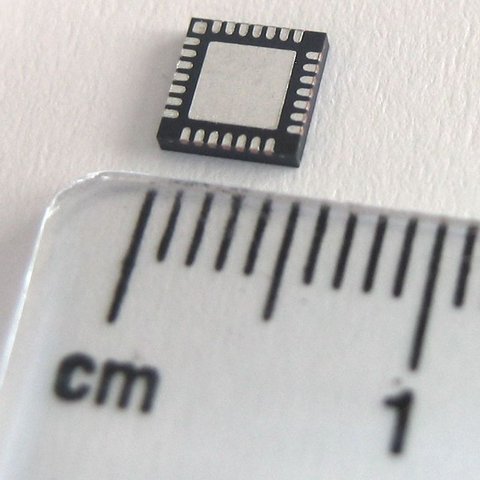
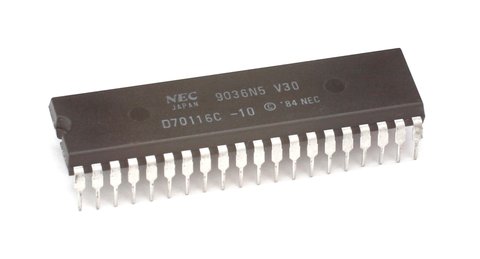
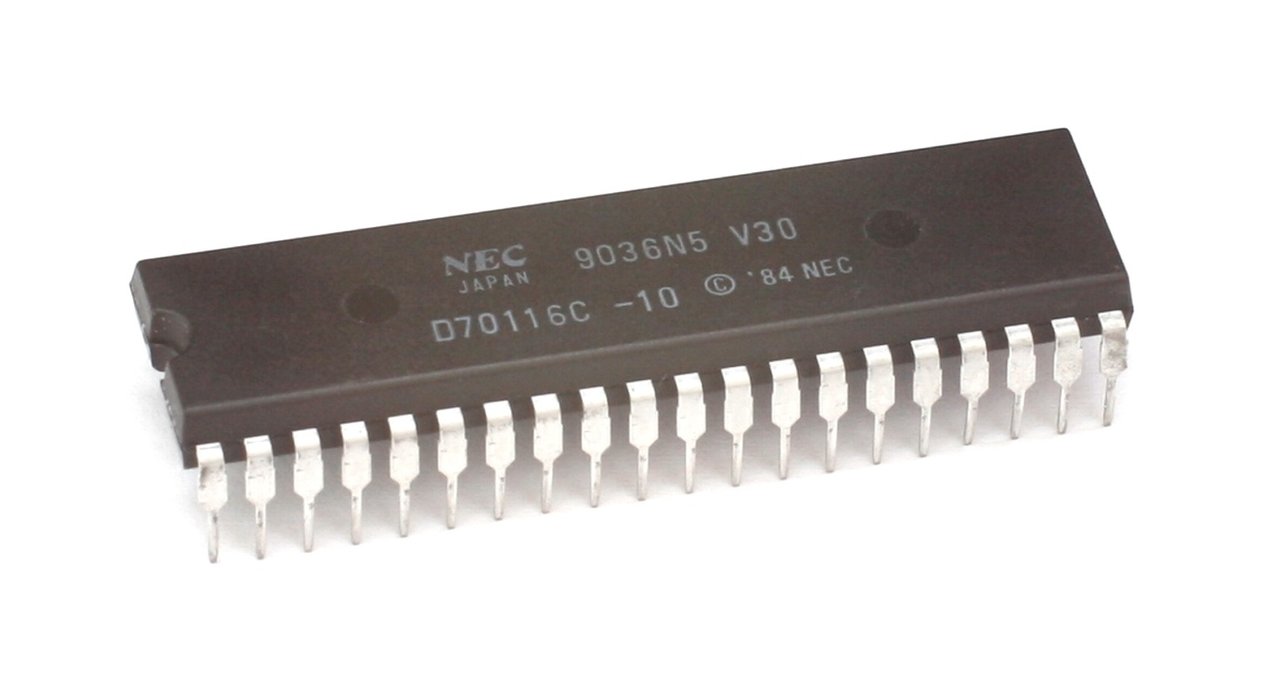
NEC launched its original V-series microprocessors in 1984, including the 16-bit V30, or μPD70116. It could execute the established 8086 instruction set while adding hardware and instructions of NEC’s own, turning compatibility from passive imitation into a product strategy.

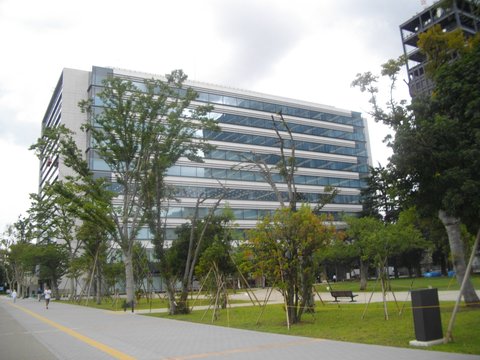
That mattered because software was already more valuable than a processor package alone. The IPSJ Computer Museum records that NEC’s July 1985 PC-9801VM adopted the V30 as a faster 8086-compatible CPU, letting buyers preserve programs and peripherals while NEC improved the machine underneath them.
The good was a practical upgrade path. Customers could keep an existing software base, NEC could differentiate through CMOS implementation and architectural additions, and the PC-98 family gained performance without demanding an immediate rewrite; compatibility lowered adoption risk while domestic processor engineering still supplied measurable value.
The bad was legal and strategic dependence on another company’s architecture. Intel and NEC had a 1983 agreement covering microcode used in NEC’s licensed 8086 and 8088 products, but the independently developed V20 and V30 triggered a major US copyright case over microcode; NEC ultimately prevailed on non-infringement, yet years of litigation showed how thin and expensive the boundary between lawful compatibility and protected implementation could become.
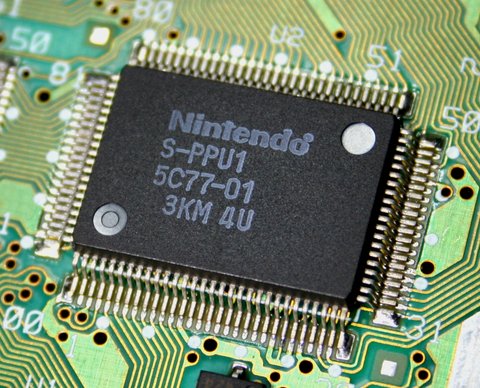
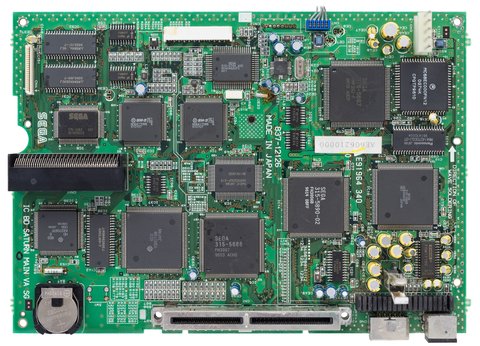
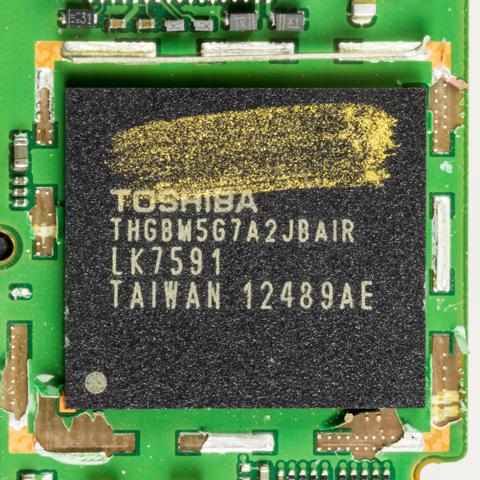
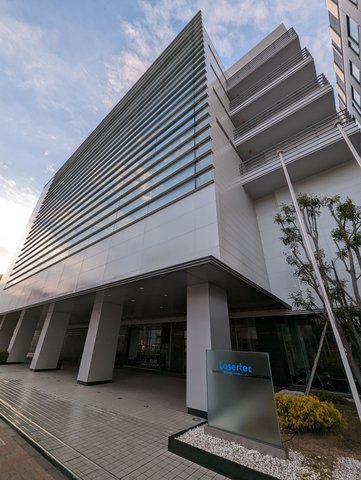
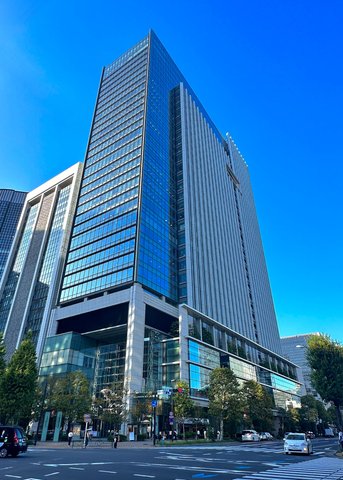
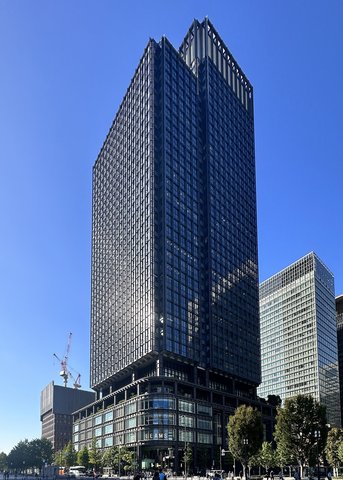
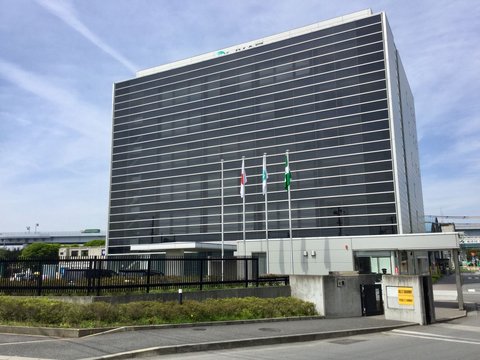
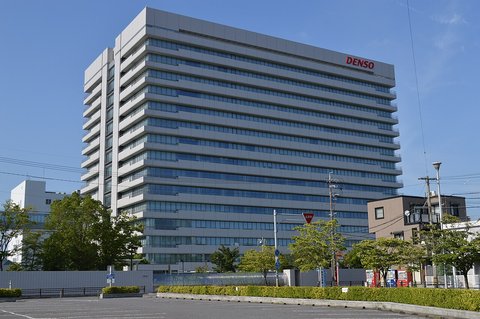
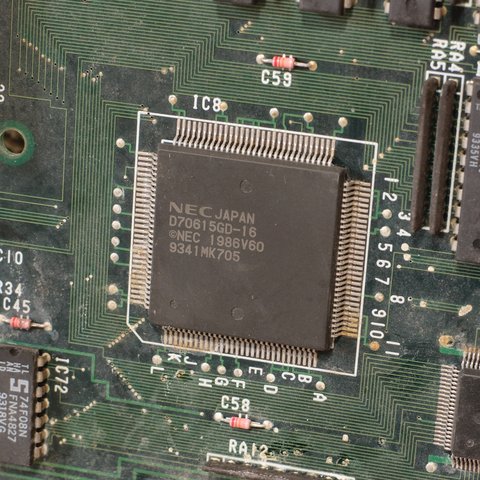
Even victory did not remove the deeper tradeoff: differentiation remained bounded by an instruction set and software market another company had originated. The pin intentionally reuses NEC’s verified Tamagawa research and engineering site for a separate product-and-law chapter, not a claim that this coordinate identifies the V30’s design room; the cover is an actual NEC V30 package marked D70116C-10.
The episode’s lesson is therefore double-edged: compatibility can be genuine engineering innovation and still create dependence, scrutiny, and legal cost.
Sources: NEC corporate chronology and V20/V30 User’s Manual; IPSJ Computer Museum PC-9801 history; NEC v. Intel, United States District Court for the Northern District of California; NEC Tamagawa and R&D site records.
Photo: “KL NEC V30,” Konstantin Lanzet, CC BY-SA 3.0. https://commons.wikimedia.org/wiki/File:KL_NEC_V30.jpg
changes?
delete this memory?
We detected that you have a Blox in your crypto wallet! We will import the Blox into your account.
Click on done below to complete the import.
Welcome Back!
Sign in to preserve cherished moments
Don't have an account?
Welcome!!
Sign up and start preserving cherished moments
?
?

Choose your payment method
Buy with Metablox Credit
Do you want to mint Blox with Metablox Credit?
Which Crypto would you like to use?
Purchase Confirmed!
Your Blox is being minted on-chain and will appear in your profile shortly.
Log in or sign up to claim your Blox.
How many credits do you want to buy?
$100 USD = 1 Metablox Credit = 1 Blox.
Use Metablox Credit to mint any Blox you want on the map.
expand_more