Semiconductor History | Sumitomo Bakelite Tennoz — The Resin That Protects the Die
volume_up
Listen
directions
Directions
In 1968, Sumitomo Bakelite developed SUMIKON EME, an epoxy molding compound for semiconductor encapsulation. Japan’s National Museum of Nature and Science records the material as a low-pressure transfer-molding alternative to costlier hermetic packages, while the company’s own history marks it as the beginning of a semiconductor-materials lineage.
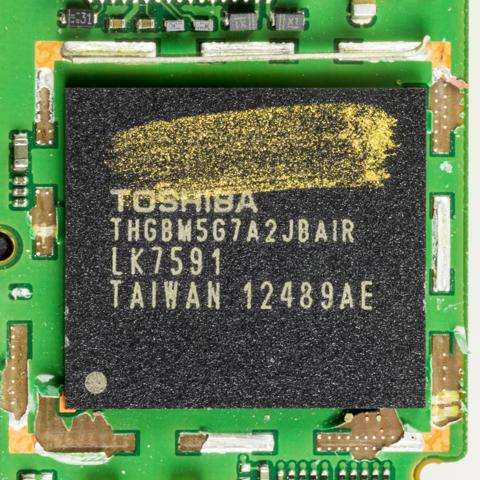
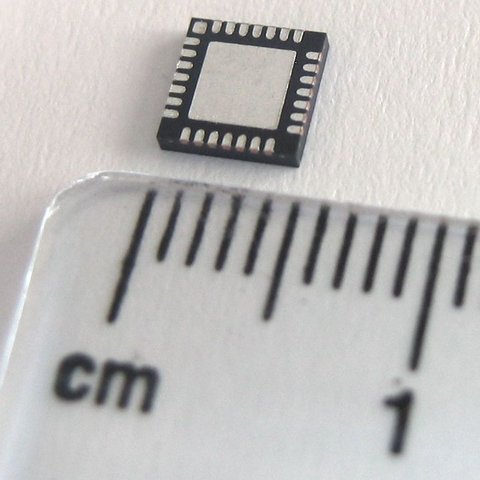
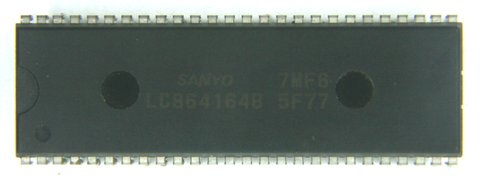
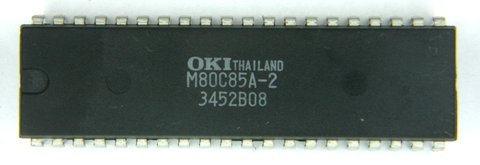
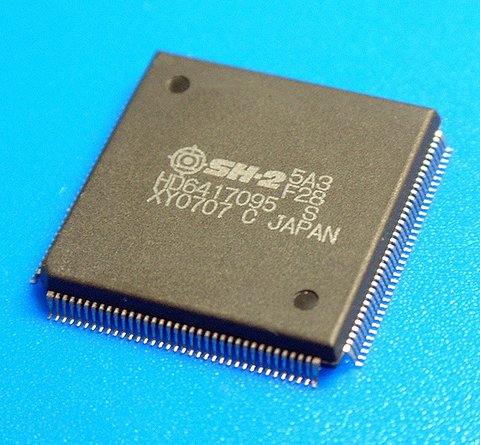
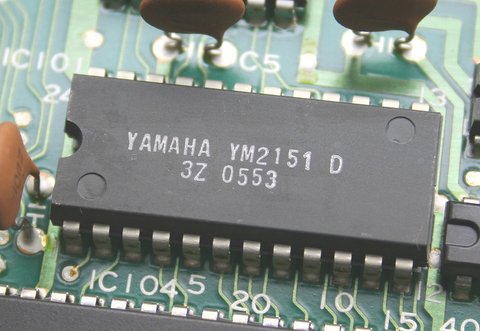
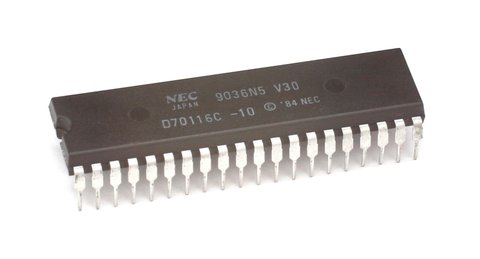
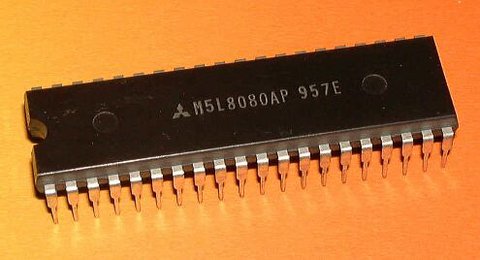
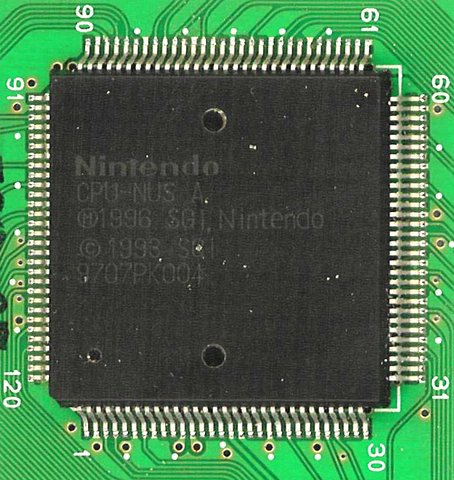
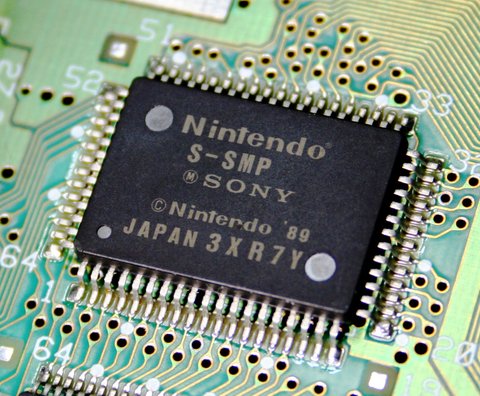
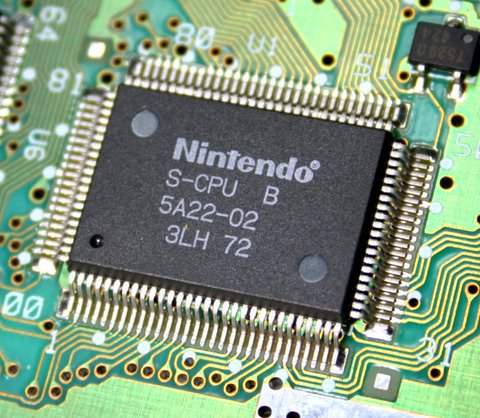
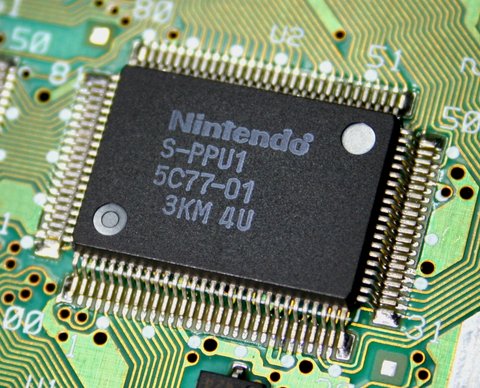
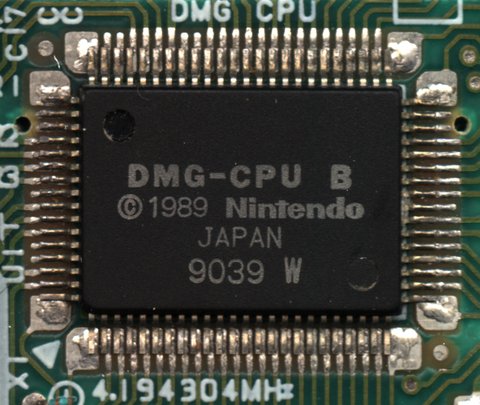
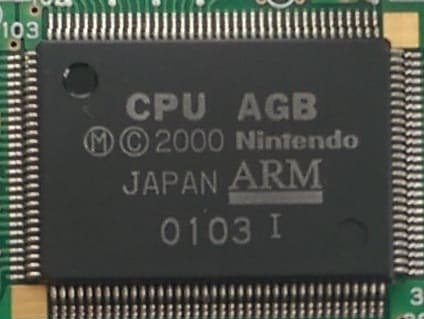
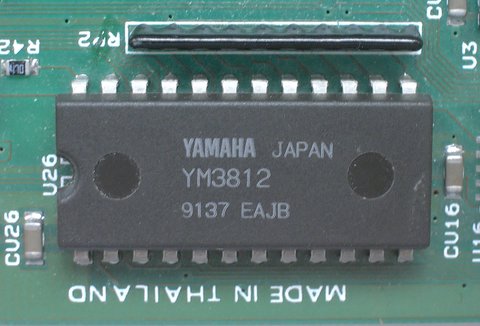
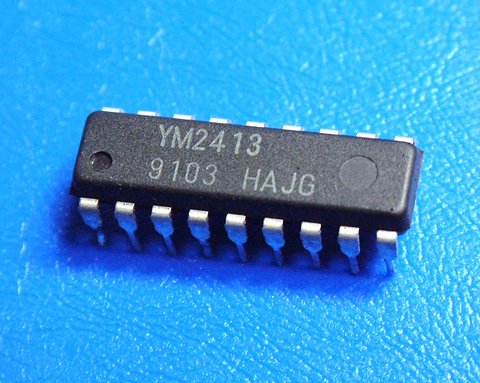
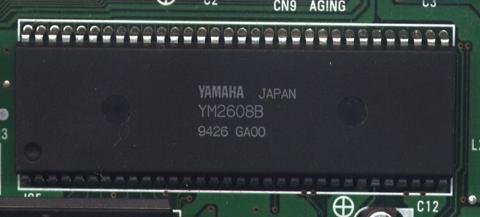
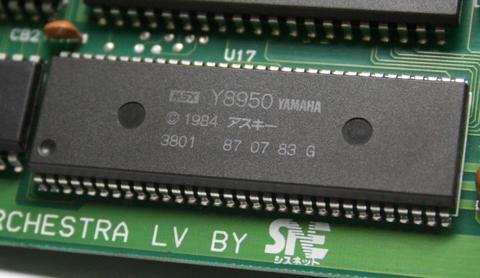
The compound becomes the hard black body around a chip. It must protect a delicate die and its wire connections from moisture, ions, heat, light, and mechanical force while surviving molding without crushing or shifting them.
The good side was manufacturability. Transfer molding could enclose many devices rapidly and at lower cost than individual metal or glass packages, helping plastic-packaged semiconductors spread through consumer electronics, automobiles, and industrial controls.
Materials expertise also aged well. As packages became thinner and denser, suppliers had to tune resin chemistry, filler particles, flow, adhesion, flame resistance, and thermal expansion rather than merely sell a commodity plastic; Sumitomo Bakelite says encapsulation remains the mainstay of its semiconductor-materials business.
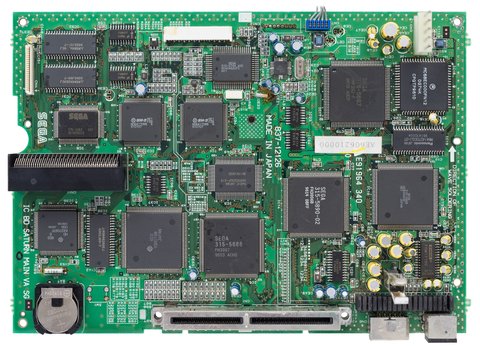
This is a useful correction to histories told only through transistor generations. A chip’s economic success depends on a package that can be produced by the millions, soldered onto a board, and survive years of temperature cycling after the wafer fab is finished.
The bad side is that the protective shell can create its own failures. Epoxy absorbs some moisture, different materials expand at different rates, and residual stress can crack a die, lift a wire, warp a package, or open a path for corrosion.
Qualification therefore becomes both a moat and a burden. A formulation change may require lengthy customer testing, yet suppliers remain exposed to semiconductor cycles, concentrated buyers, raw-material costs, and competition from rival packaging technologies.
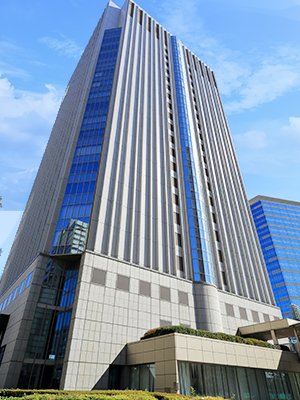
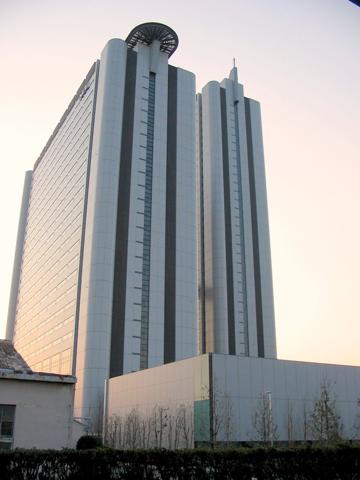
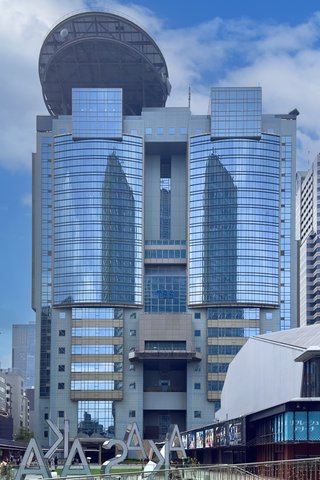
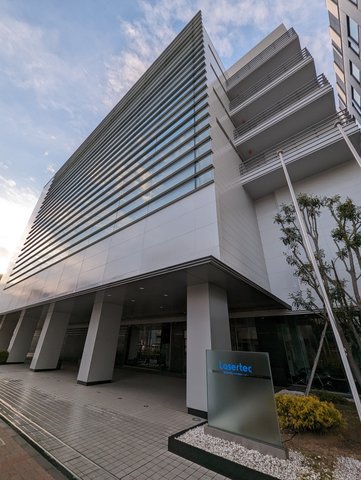
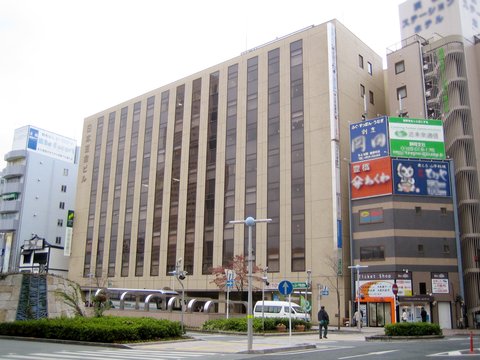
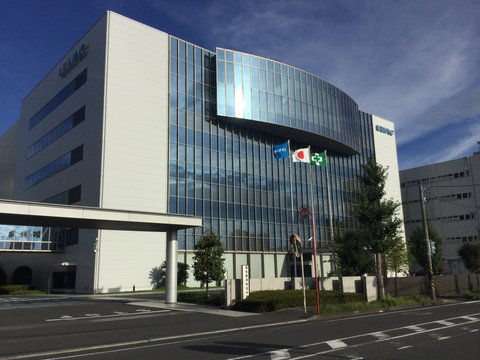
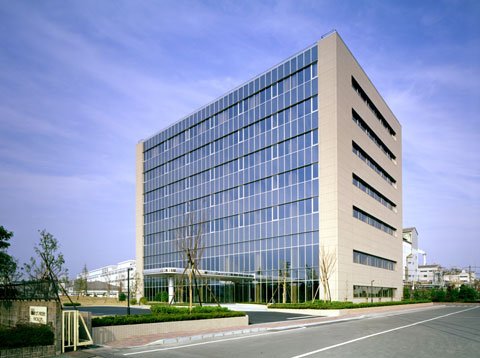
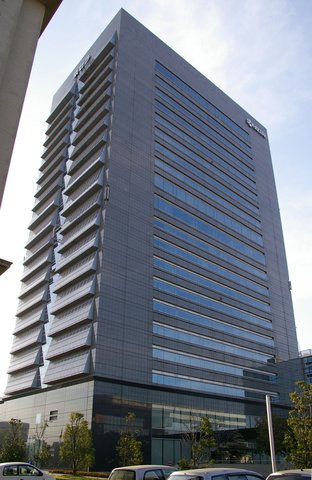
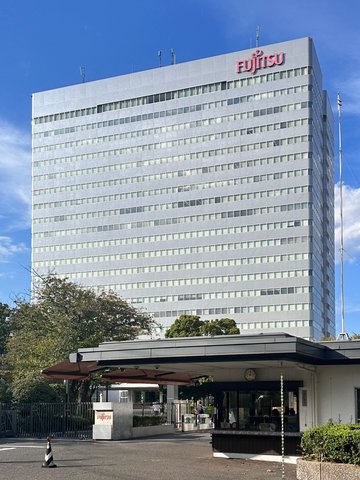
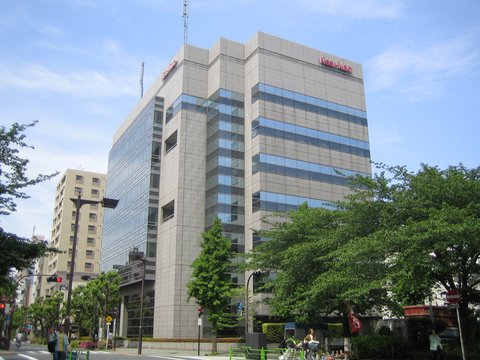
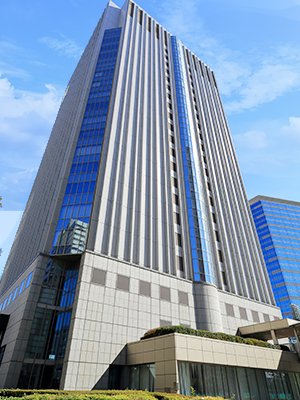
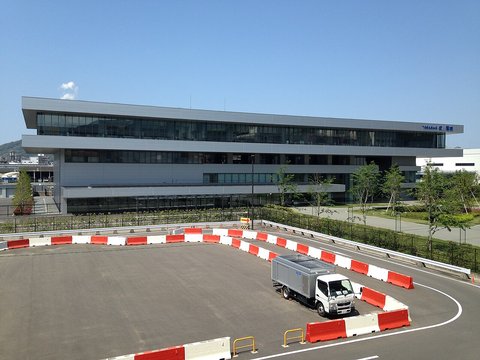
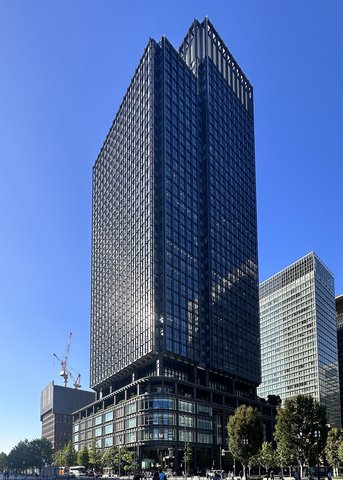
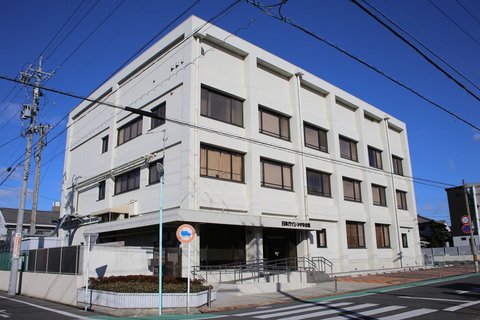
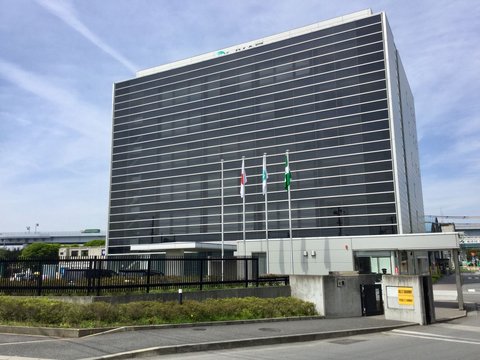
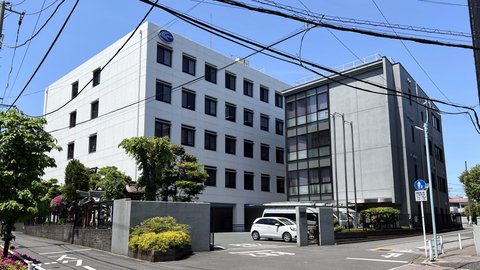
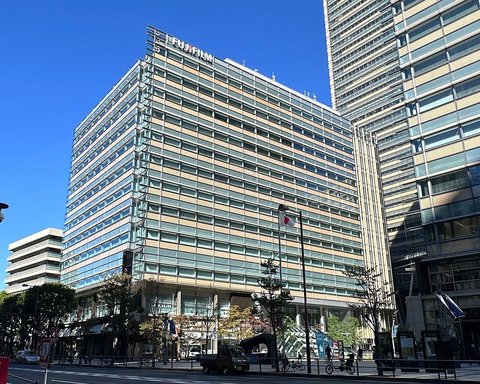
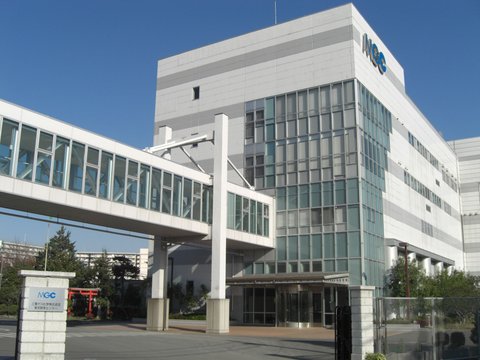
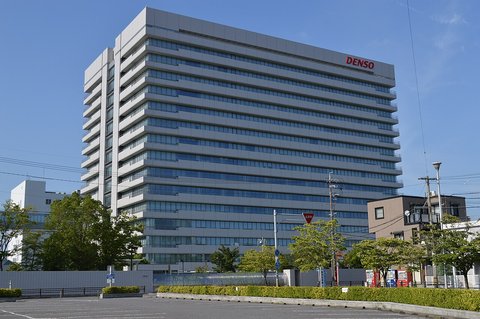
The pictured Tennoz Parkside Building is Sumitomo Bakelite’s current headquarters, not the documented 1968 development site. The pin marks the company’s public corporate home and does not imply that molding compound is manufactured inside this Tokyo office tower.
Sources: [National Museum of Nature and Science industrial-technology record](https://sts.kahaku.go.jp/sts/detail.php?no=113911640008); [Sumitomo Bakelite history of value creation](https://www.sumibe.co.jp/english/csr/sustainability/files/file001.pdf); [1970 technical review of semiconductor encapsulation](https://doi.org/10.1295/kobunshi.19.936); [current semiconductor-materials business](https://www.sumibe.co.jp/english/ir/segment/semiconductor/index.html).
Photo: Sumitomo Bakelite, CC BY-SA 4.0, via Wikimedia Commons.














 expand_more