
- Home
- Semiconductor History | Japan | From Nihonbashi to Chitose
- Semiconductor History | Sharp Fukuyama — Game Demand Builds an Automated LSI Plant
Semiconductor History | Sharp Fukuyama — Game Demand Builds an Automated LSI Plant
· 1985
Personal memoryBy kevin · · Report an issue

Find memories left by people near you.
Distribute Bounty
This will distribute the bounty equally among all qualifying memories. This action cannot be undone.
Cancel Bounty
Are you sure you want to cancel this bounty? The remaining amount will be refunded to your account.
Success!
Operation completed successfully.
Error
Something went wrong.
Semiconductor History | Sharp Fukuyama — Game Demand Builds an Automated LSI Plant
kevin
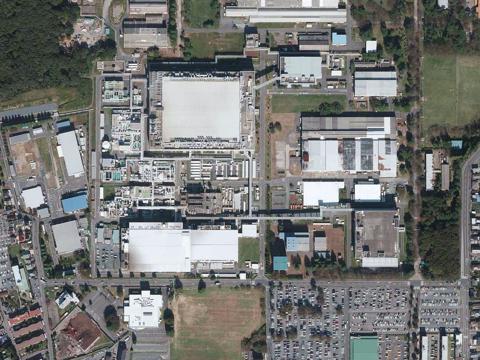
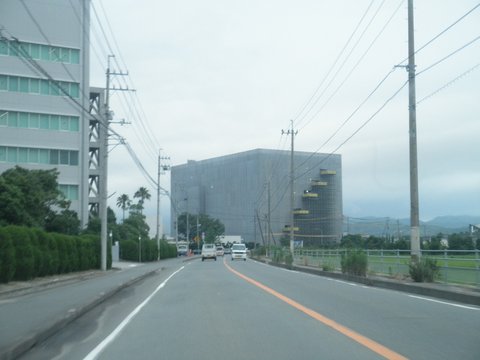
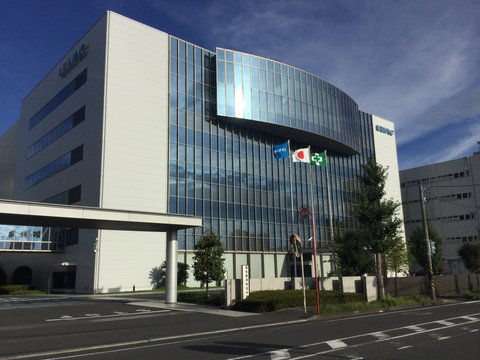
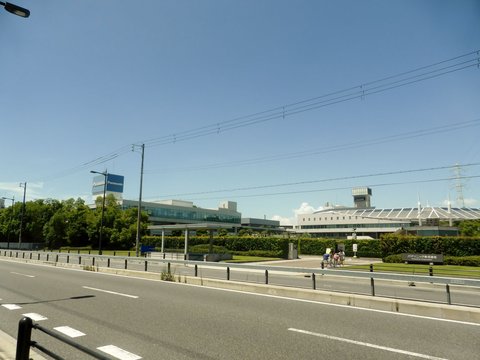
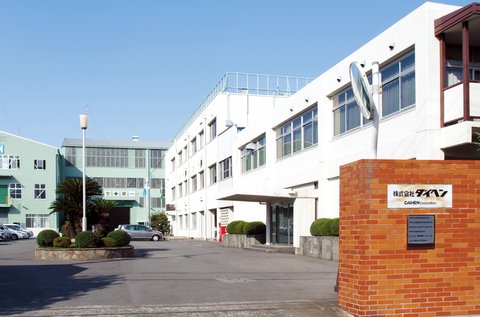
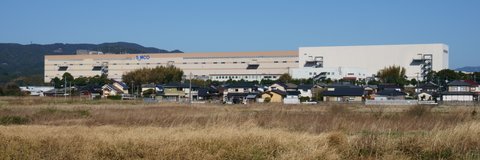
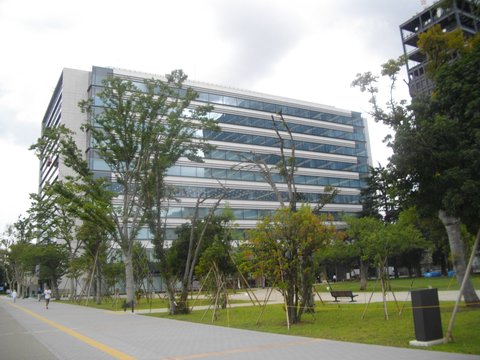
Sharp’s official centennial history says a home game machine introduced by an unnamed toy manufacturer in 1983 became a major hit and drove a surge in sales of the mask-ROM chips used by it. To supply that demand, Sharp constructed the Fukuyama Plant in 1985 as a highly automated semiconductor factory using robots throughout production.
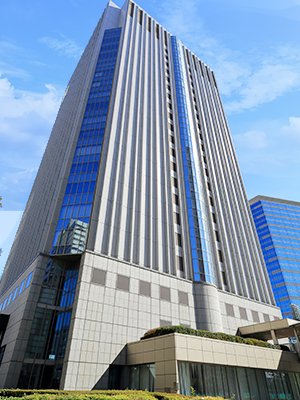
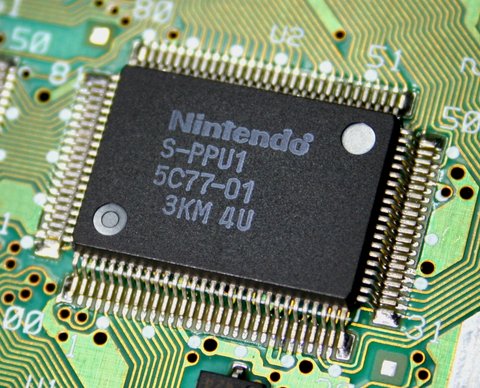
A mask ROM stores its program by fixing the pattern during chip fabrication. Once a game is finished and volumes are enormous, that makes each copy compact, fast, and cheap; the economics fit cartridges, where the silicon traveled with every title rather than remaining only inside the console.
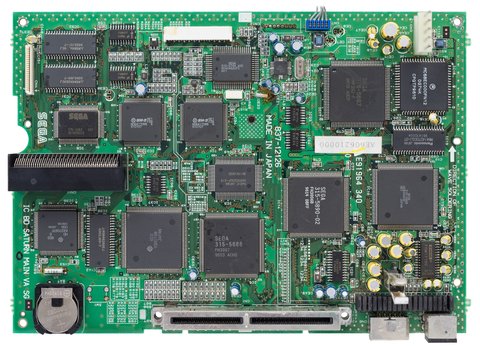
The good was customer-led scale. Sharp converted expertise built through calculators, MOS LSIs, optoelectronics, and displays into mass production for a new entertainment market, then added Fukuyama Plant No. 2 in 1989 with finer processing technology. Automation turned a sudden consumer hit into durable manufacturing capability that later supported memory, integrated circuits, and optoelectronic devices.
The bad was rigidity. A mask error or late software change could require new tooling, unsold cartridges locked code into inventory, and demand could collapse when a title or console generation faded; expensive cleanrooms built for a boom still carried depreciation, water, chemical, and contamination-control burdens afterward. Sharp’s later reorganizations, including the 2019 semiconductor spin-off, show how a captive component advantage can become a business that must repeatedly find new owners and markets.
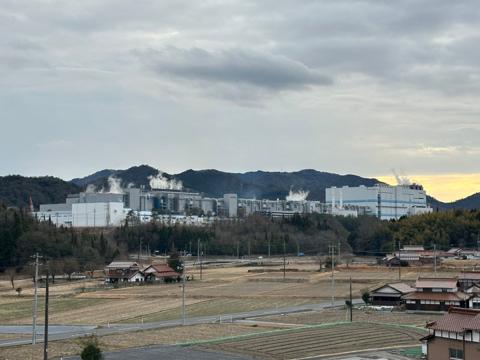
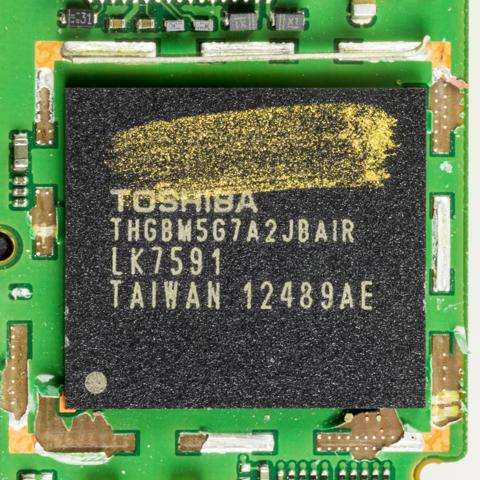
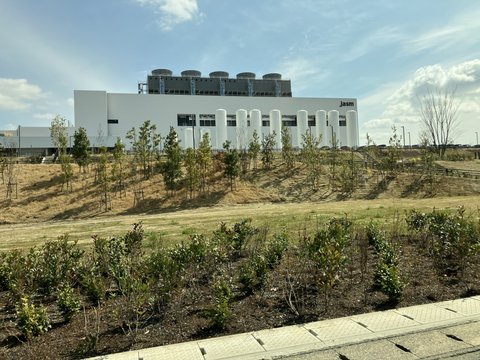
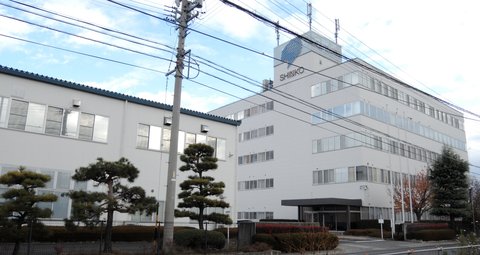
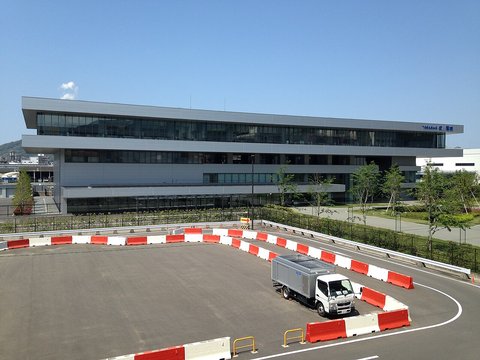
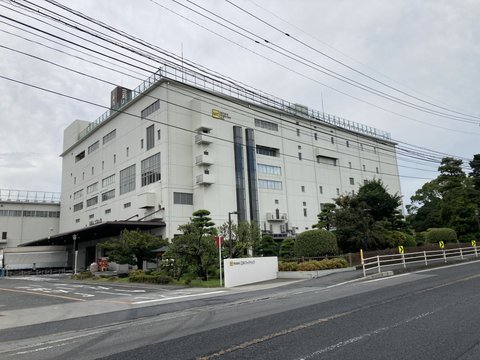
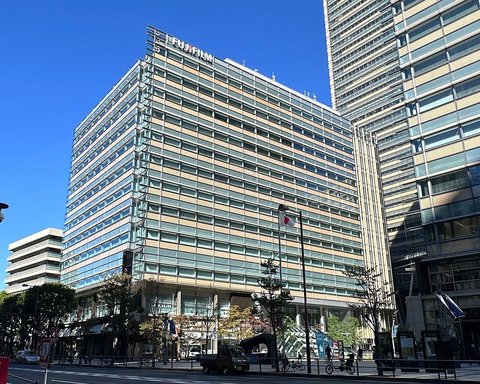
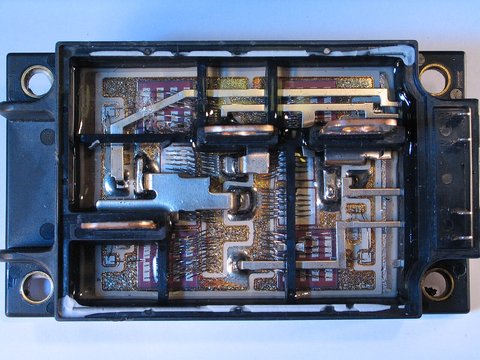
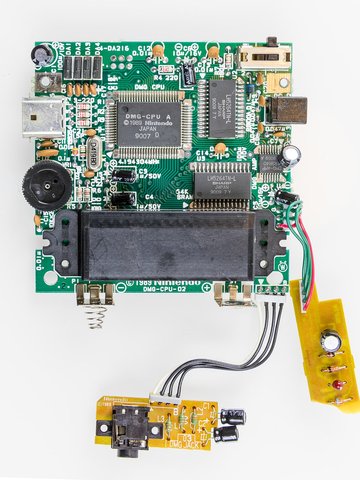
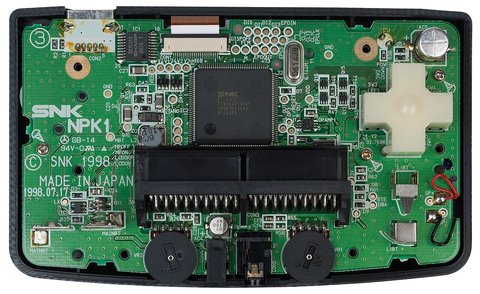
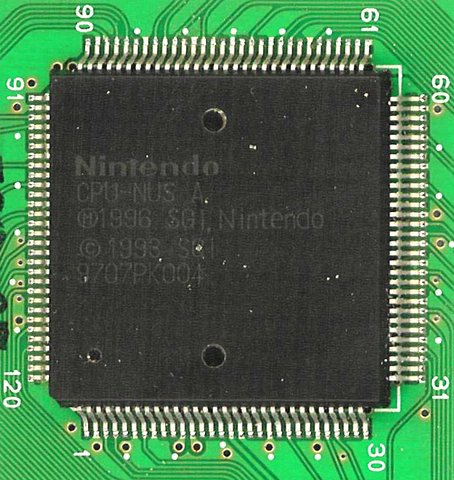
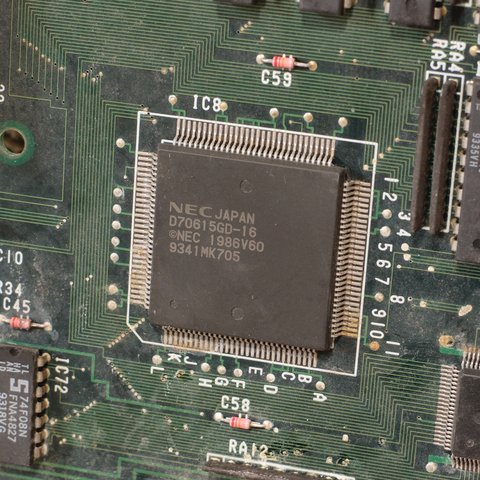
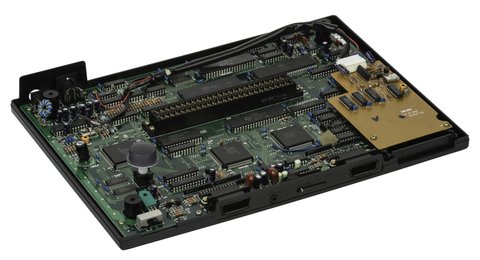
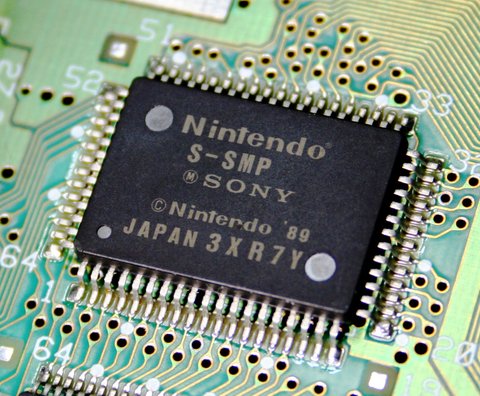
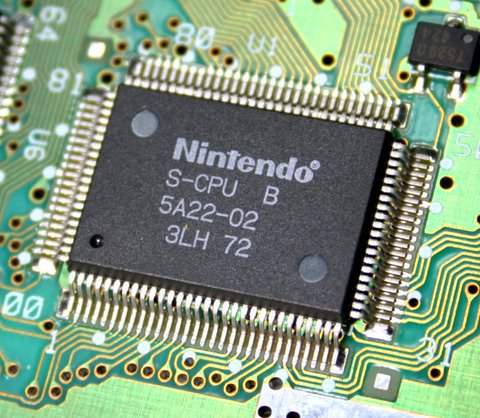
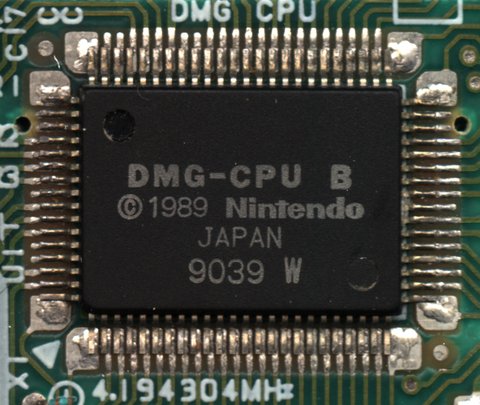
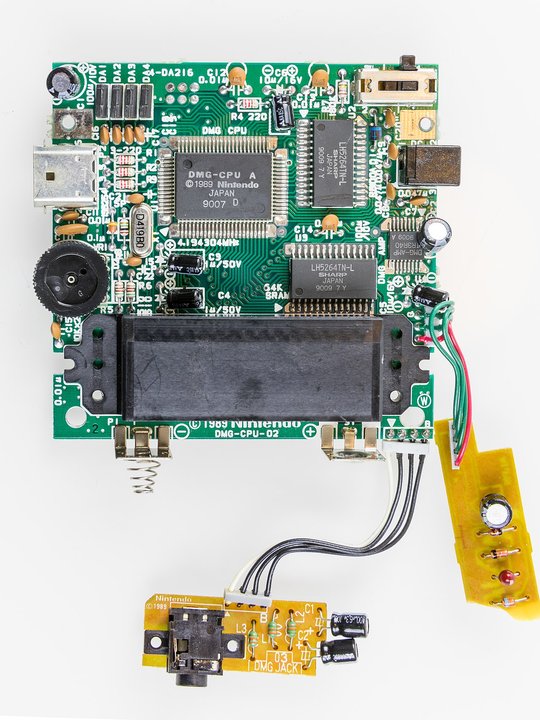
The pin identifies the verified Fukuyama site that Sharp says it built for this game-driven expansion. The cover is a later 1989 Game Boy board with visible Sharp memory devices and a Nintendo-marked CPU; it proves Sharp components reached game hardware, but it is not the unnamed 1983 machine, a cartridge mask ROM, or the 1985 production line.
Sources: Sharp’s 100-Year History, corporate chronology, Fukuyama map and factory reports; Nintendo corporate history and Game Boy archive.
Photo: “Nintendo Game Boy DMG-01 — board with card slot,” Raimond Spekking, CC BY-SA 4.0. https://commons.wikimedia.org/wiki/File:Nintendo_Game_Boy_DMG-01_-_board_with_card_slot-9880.jpg
changes?
delete this memory?
We detected that you have a Blox in your crypto wallet! We will import the Blox into your account.
Click on done below to complete the import.
Welcome Back!
Sign in to preserve cherished moments
Don't have an account?
Welcome!!
Sign up and start preserving cherished moments
?
?
Choose your payment method
Buy with Metablox Credit
Do you want to mint Blox with Metablox Credit?
Which Crypto would you like to use?
Purchase Confirmed!
Your Blox is being minted on-chain and will appear in your profile shortly.
Log in or sign up to claim your Blox.
How many credits do you want to buy?
$100 USD = 1 Metablox Credit = 1 Blox.
Use Metablox Credit to mint any Blox you want on the map.
expand_more