- Home
- Semiconductor History | Japan | From Nihonbashi to Chitose
- Semiconductor History | CKD Komaki — Gas Lines Become a Clean, Integrated System
Semiconductor History | CKD Komaki — Gas Lines Become a Clean, Integrated System
· 1992
Personal memoryBy kevin · · Report an issue

Find memories left by people near you.
Distribute Bounty
This will distribute the bounty equally among all qualifying memories. This action cannot be undone.
Cancel Bounty
Are you sure you want to cancel this bounty? The remaining amount will be refunded to your account.
Success!
Operation completed successfully.
Error
Something went wrong.
Semiconductor History | CKD Komaki — Gas Lines Become a Clean, Integrated System
kevin
In 1992, CKD released the IAGD series, which it describes as the semiconductor industry's first integrated gas-supply system. The product transformed a maze of pipes, valves, fittings, and welds into standardized modules for feeding tightly controlled process gases to deposition and etching equipment.
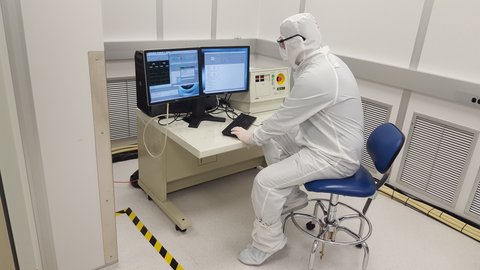
This was not merely tidier plumbing. Semiconductor gases must arrive at a precise flow and pressure without particles, leaks, moisture, or unwanted chemical reactions. Every weld and connection can become a contamination source, while bulky field-built piping consumes cleanroom space and takes time to assemble and maintain.
The good result was integration. By standardizing the parts and reducing welded joints, CKD could simplify installation, lower contamination risk, and shorten maintenance. The company combined diaphragm, pneumatic-control, sealing, and precision-manufacturing knowledge developed for industrial automation and chemical-fluid valves into infrastructure for advanced fabs.
The bad side is that clean integration creates dependence on the module supplier. A fab must qualify materials, seals, valves, sensors, and assembly methods against hazardous and corrosive gases. Once a system is embedded in a process tool, replacing it may require revalidation, spare-parts planning, and changes to safety procedures.
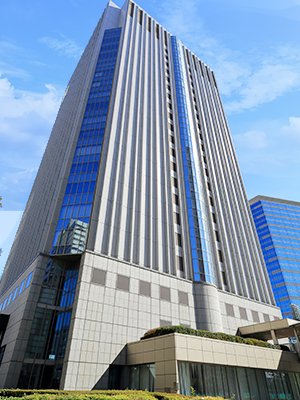
The system also manages risk rather than removing it. Deposition and etch processes can use toxic, flammable, or greenhouse-intensive gases, so higher reliability must be paired with leak detection, exhaust treatment, trained maintenance, and emergency planning. More process layers and larger fabs can increase the number of gas-control points even as each module becomes safer and more compact.
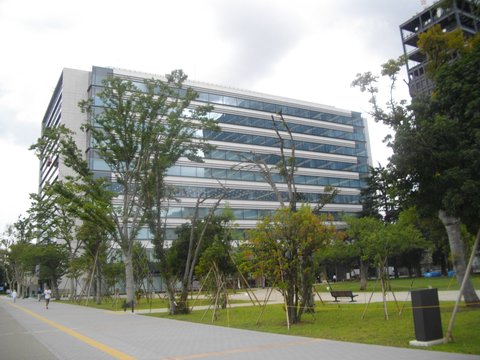
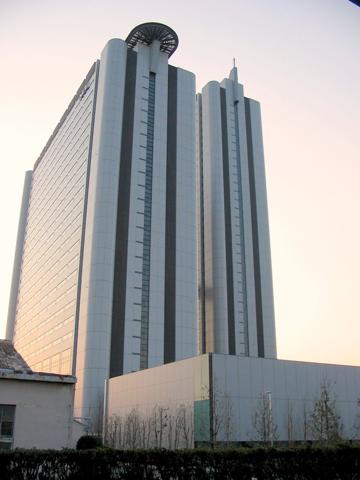
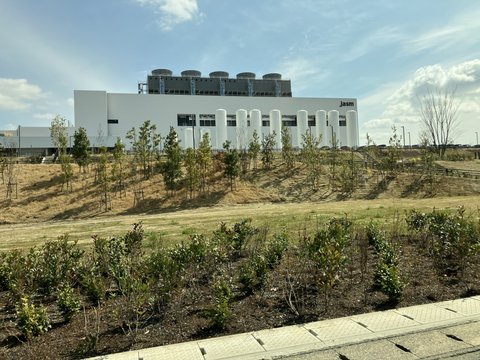
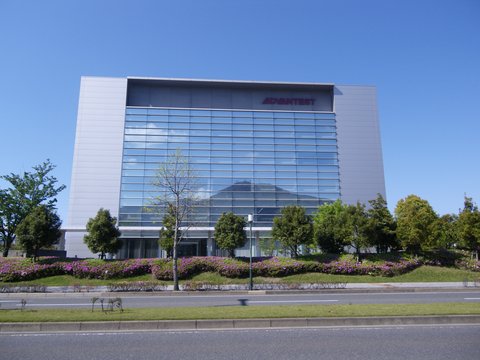
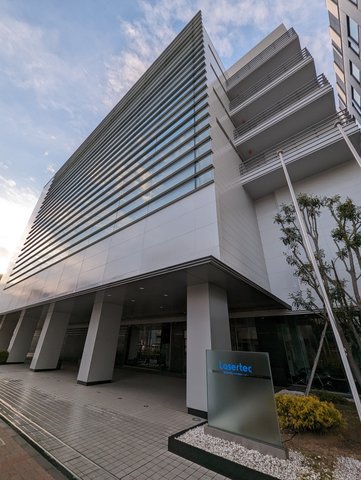
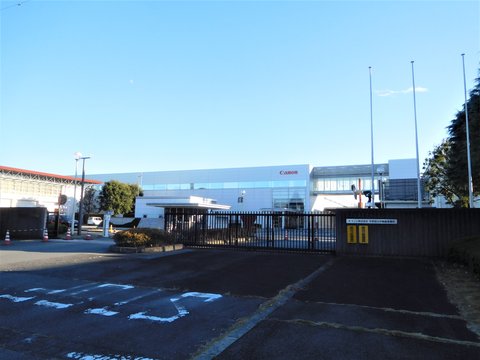
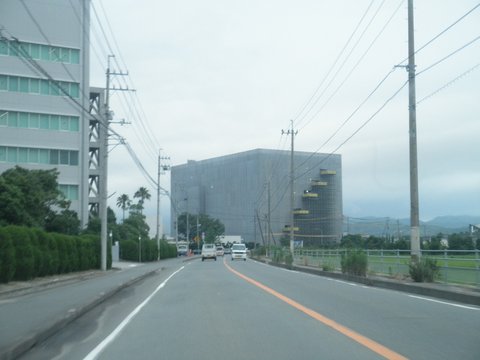
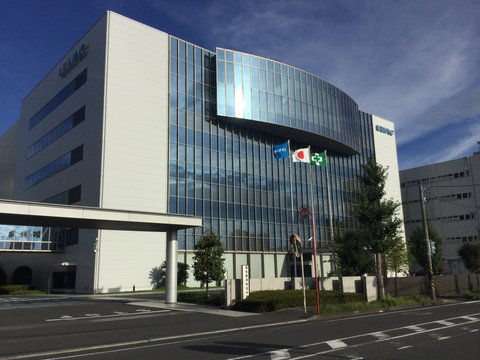
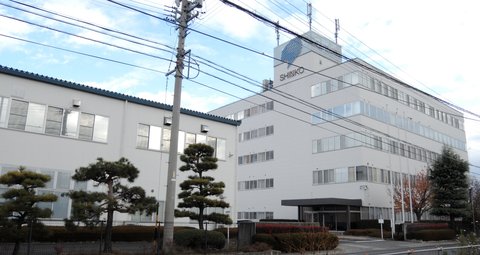
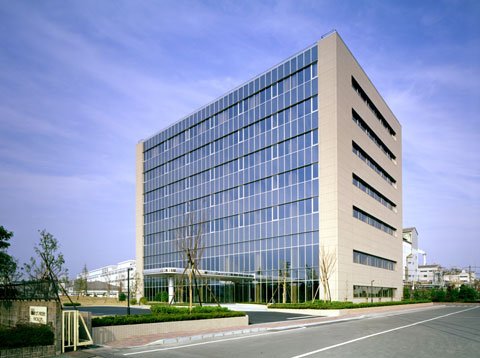
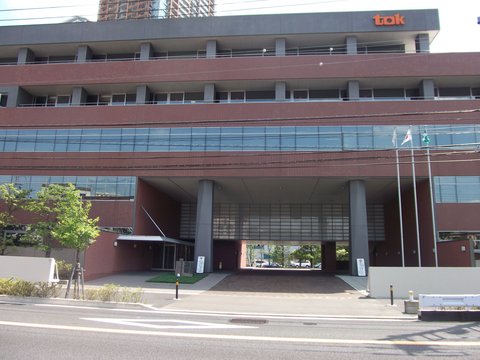
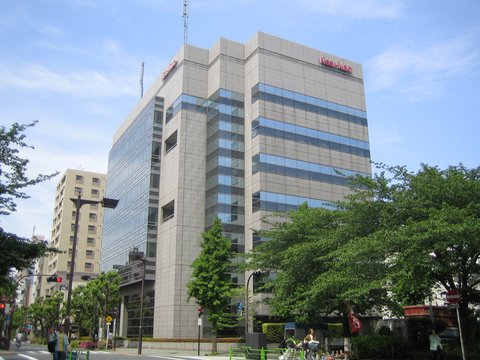
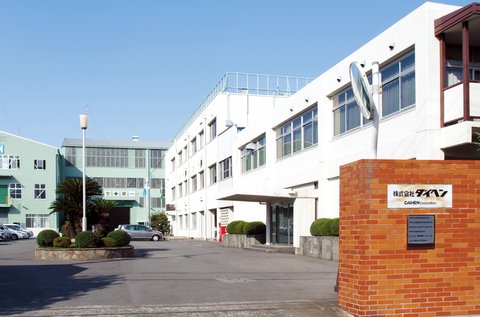
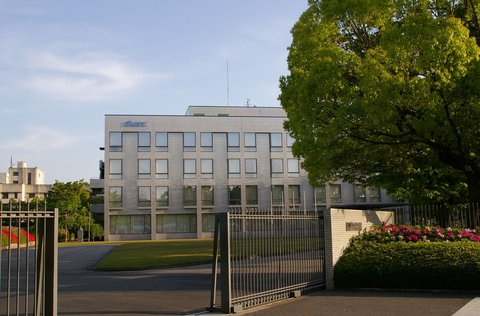
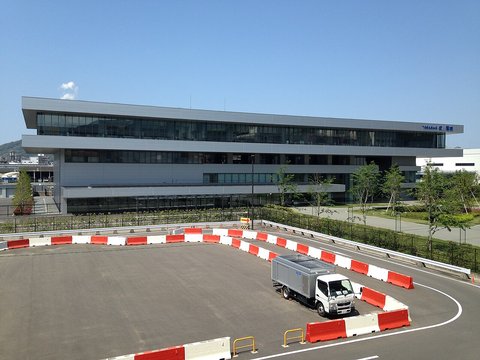
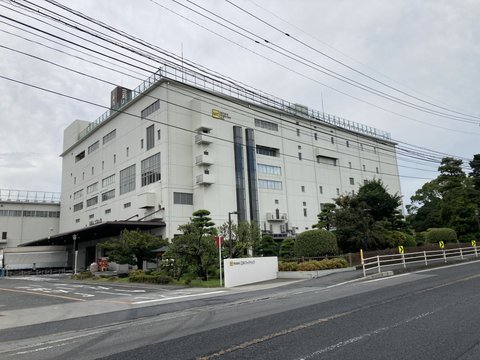
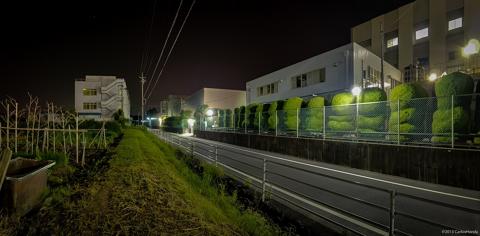
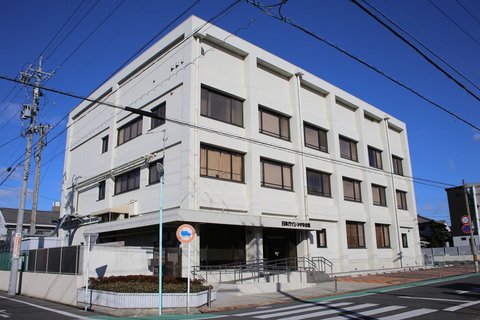
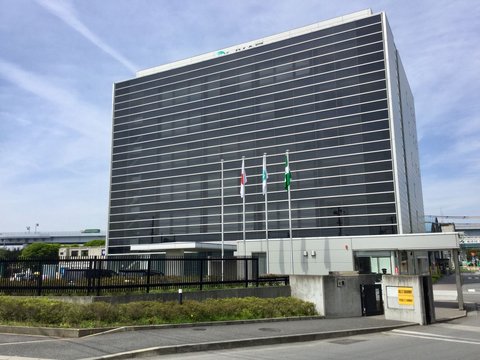
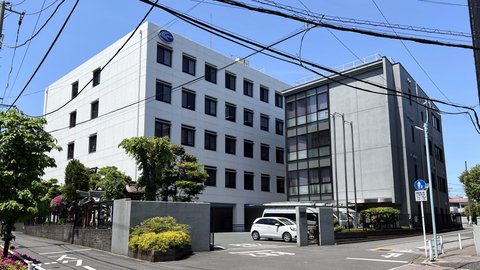
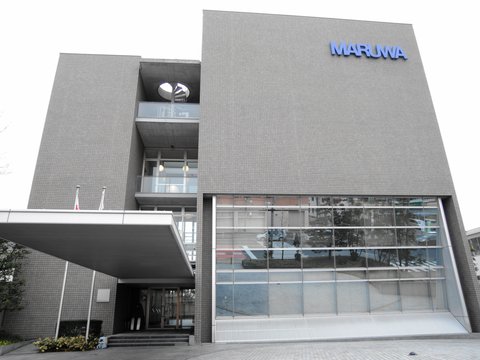
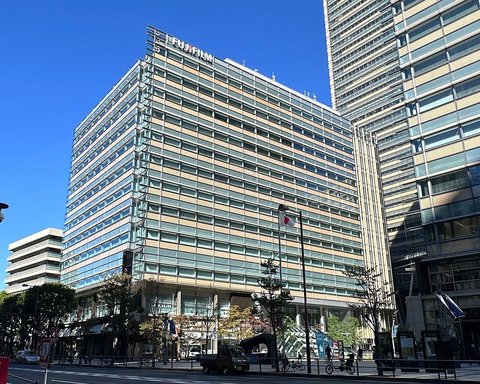
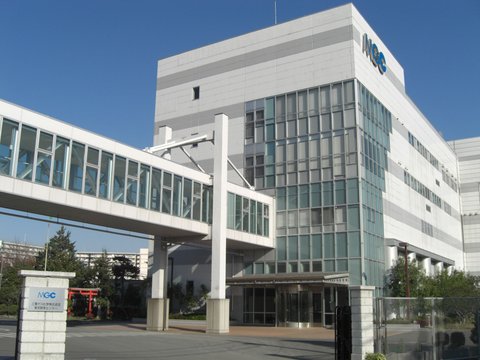
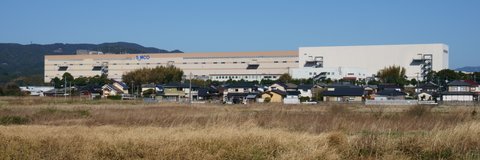
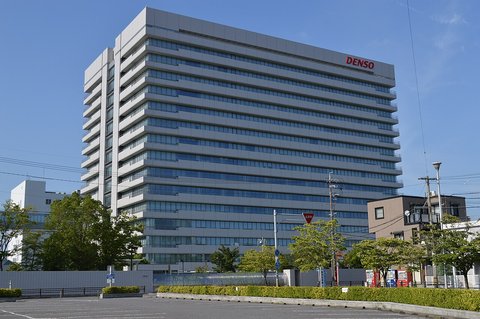
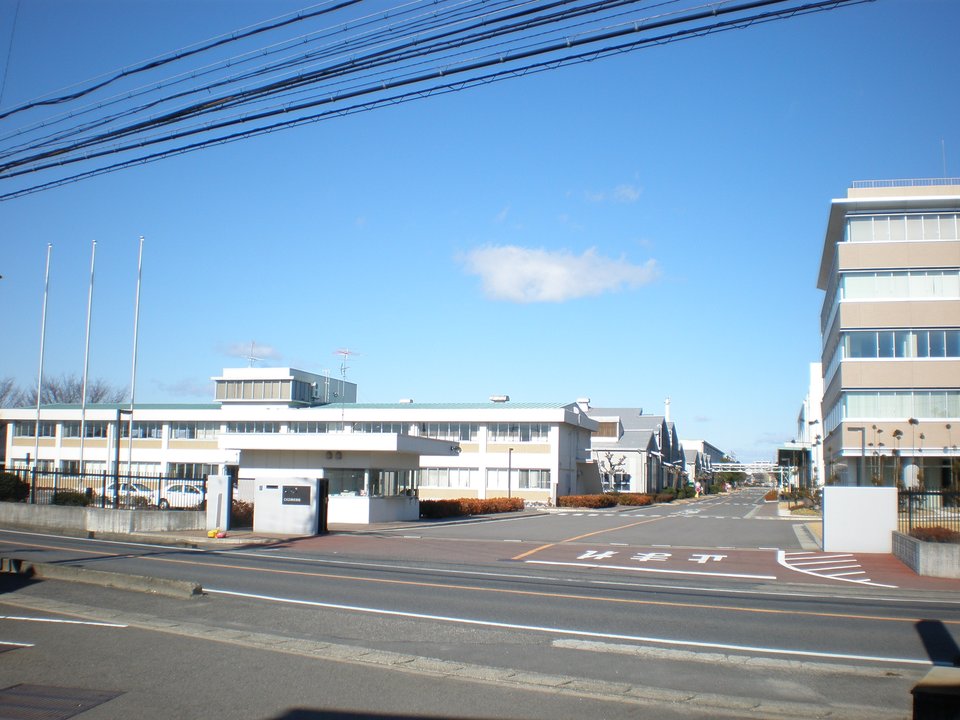
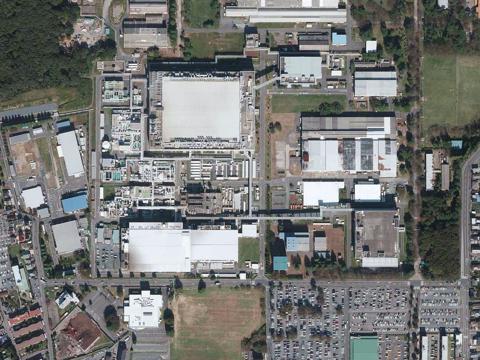
Japan's National Museum of Nature and Science records the 1992 IAGD system at CKD's Kasugai plant, identifying the semiconductor-equipment association as the investigating body. The photographed Komaki headquarters is therefore a later corporate anchor, not the documented development site; the separate Kasugai geography is disclosed explicitly.
Sources: [CKD history of fine semiconductor technology](https://www.ckd.co.jp/semiconductor/en/history); [National Museum of Nature and Science industrial-technology record](https://sts.kahaku.go.jp/sts/detail.php?c=&city=&dt1=&dt2=&id=&no=113611610031&org=&p=1135&pref=&word=&y1=&y2=); [CKD semiconductor-process product overview](https://www.ckd.co.jp/kiki/en/theme/semiconductor.html); [CKD headquarters and plant listing](https://www.ckd.co.jp/en/glblinfo/ckdcorporation/).
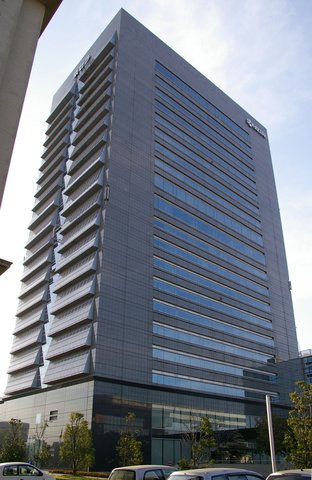
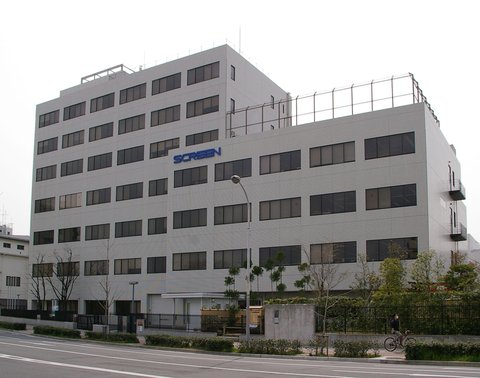
Photo: KKPCW, CC BY 3.0, via Wikimedia Commons.
changes?
delete this memory?
We detected that you have a Blox in your crypto wallet! We will import the Blox into your account.
Click on done below to complete the import.
Welcome Back!
Sign in to preserve cherished moments
Don't have an account?
Welcome!!
Sign up and start preserving cherished moments
?
?
Choose your payment method
Buy with Metablox Credit
Do you want to mint Blox with Metablox Credit?
Which Crypto would you like to use?
Purchase Confirmed!
Your Blox is being minted on-chain and will appear in your profile shortly.
Log in or sign up to claim your Blox.
How many credits do you want to buy?
$100 USD = 1 Metablox Credit = 1 Blox.
Use Metablox Credit to mint any Blox you want on the map.
expand_more