
- Home
- Semiconductor History | Japan | From Nihonbashi to Chitose
- Semiconductor History | Shin-Etsu Isobe — The Chip Story Begins as Crystal
Semiconductor History | Shin-Etsu Isobe — The Chip Story Begins as Crystal
· 1960
Personal memoryBy kevin · · updated · Report an issue

Find memories left by people near you.
Distribute Bounty
This will distribute the bounty equally among all qualifying memories. This action cannot be undone.
Cancel Bounty
Are you sure you want to cancel this bounty? The remaining amount will be refunded to your account.
Success!
Operation completed successfully.
Error
Something went wrong.
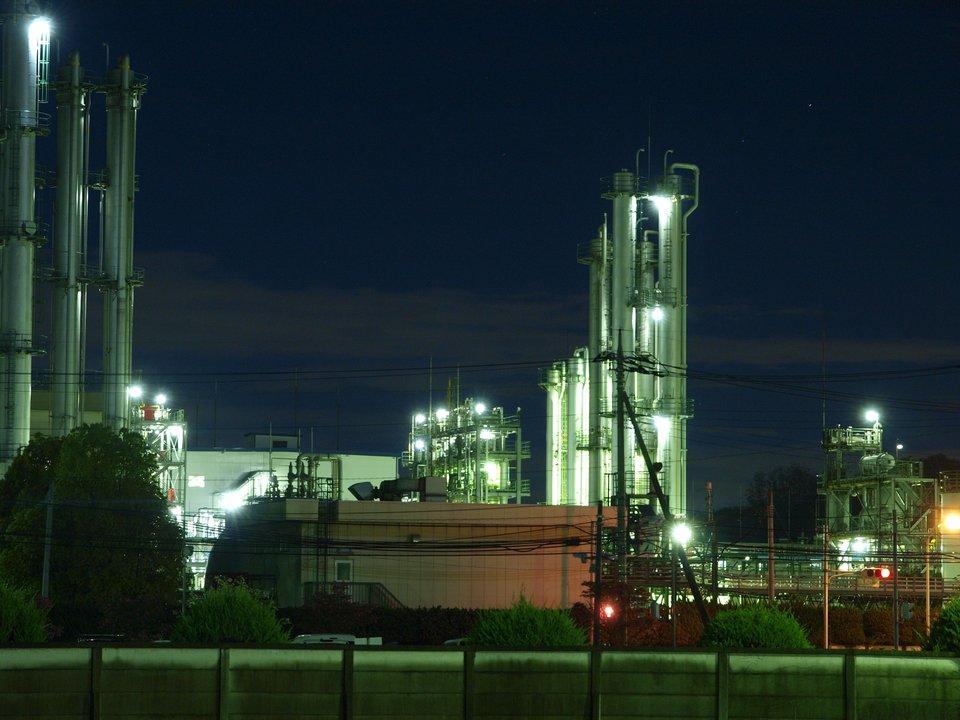
Semiconductor History | Shin-Etsu Isobe — The Chip Story Begins as Crystal
kevin
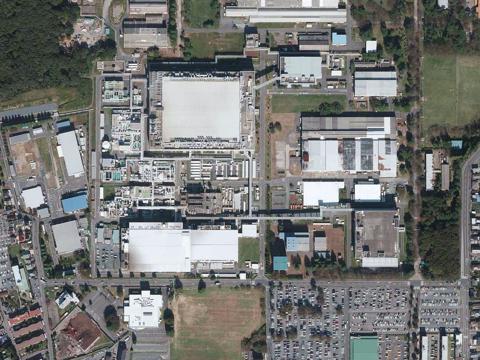
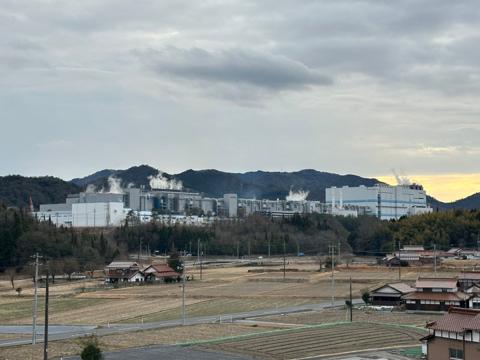
In 1960, Shin-Etsu Chemical began producing high-purity silicon, entering the semiconductor story before a transistor or integrated circuit could exist without a carefully grown crystal. Production began at Isobe in Gunma, where the company already had a metals and chemicals foothold.
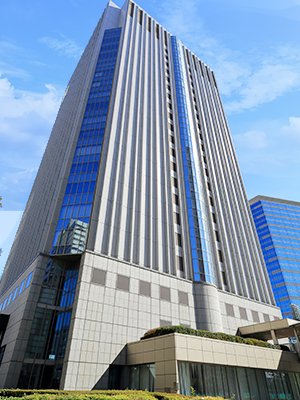
The operation initially sat inside Shin-Etsu Chemical. In 1967 it became Shin-Etsu Handotai, a joint venture with Dow Corning, and Isobe remained the starting point as production later spread among specialized plants for polycrystalline silicon, crystal growth, epitaxy, and wafer processing.
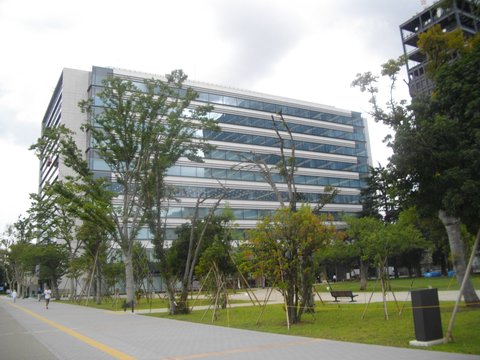
The good was a materials company treating purity and repeatability as strategic technology. Chipmakers could design ingenious circuits, but particles, crystal defects, or inconsistent electrical properties in the starting wafer would destroy yield before those designs became reliable products.
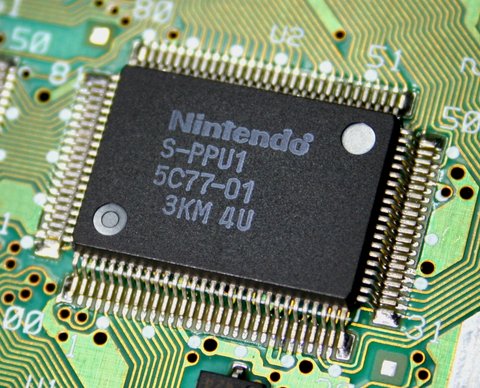
This upstream position became one of Japan’s most durable semiconductor strengths. It rewarded patient improvement in chemistry, furnaces, crystal pulling, polishing, and measurement — capabilities less visible than a branded processor but shared by almost every device made on the finished wafer.
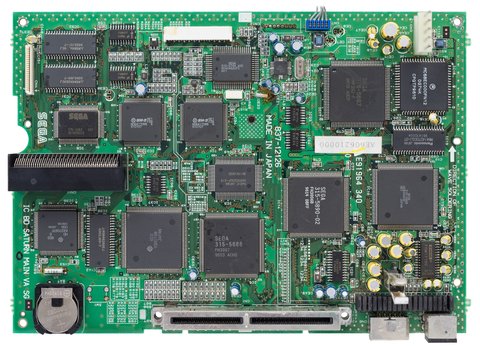
The bad is the severity of the business. Wafer production consumes expensive equipment, energy, water, and long qualification cycles, while customers expect almost no variation; expanding too early risks idle capacity, but expanding too late can make one supplier a bottleneck for many fabs.
A contaminated run can erase weeks of careful process work.
The 1967 joint venture also resists a purely national success narrative. Shin-Etsu combined its own chemical and manufacturing experience with Dow Corning participation, showing how Japan’s materials base grew through imported knowledge and international corporate ties as well as domestic research.
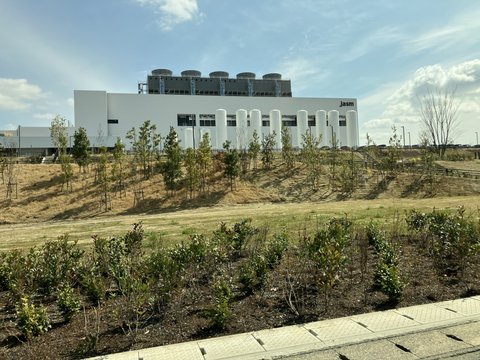
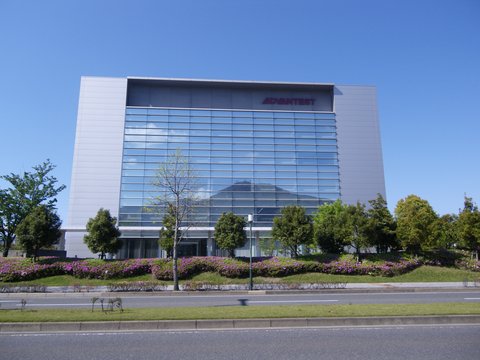
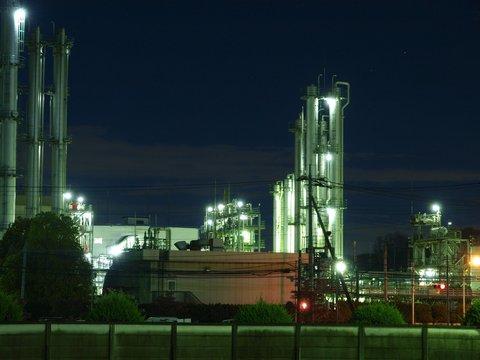
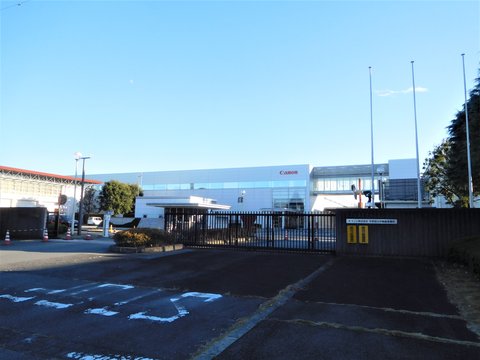
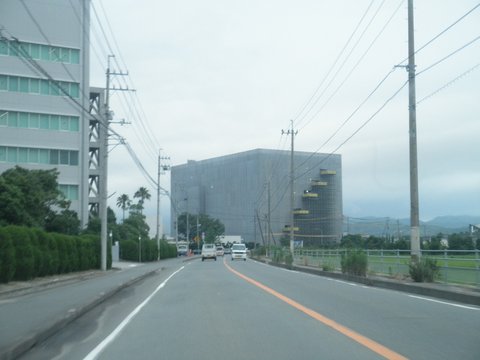
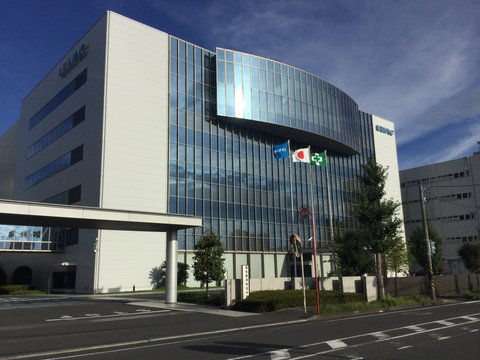
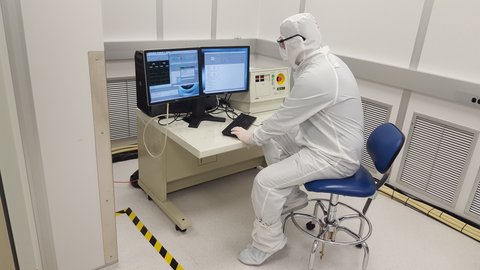
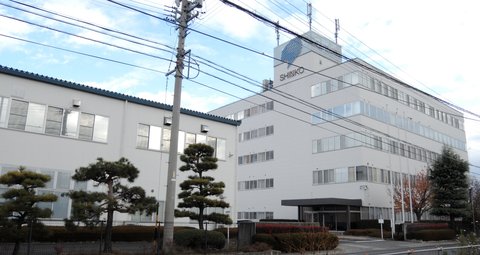
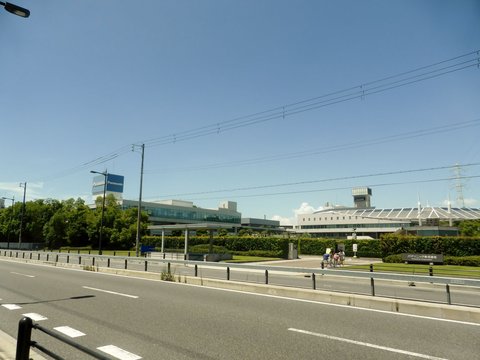
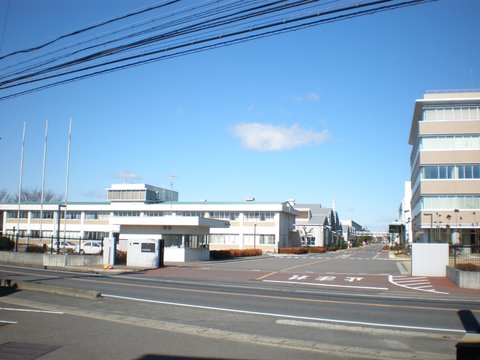
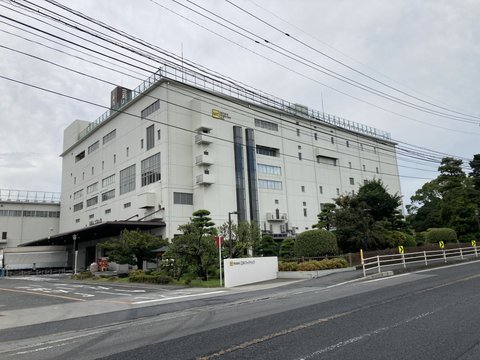
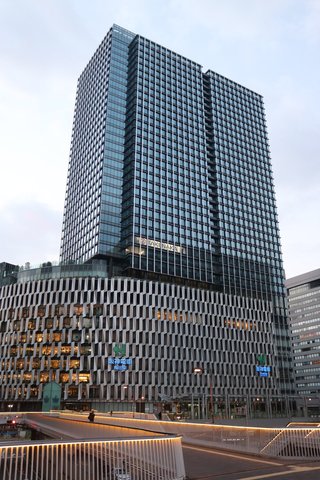
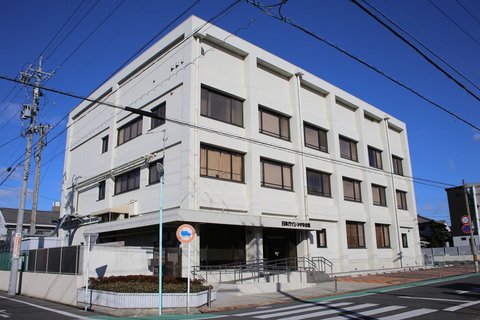
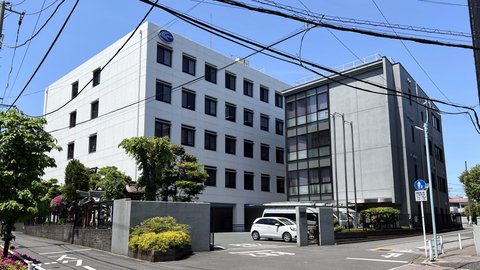
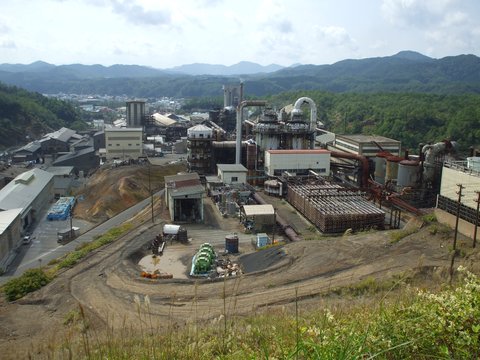
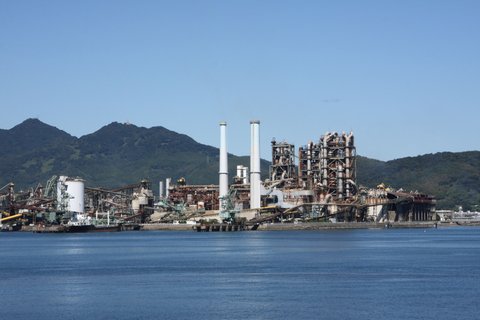
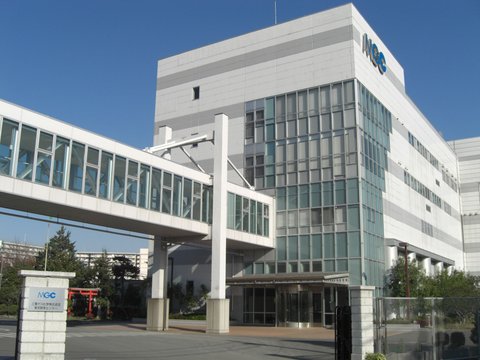
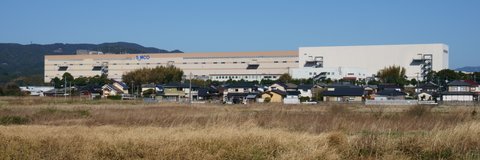
The photograph shows the operating Isobe industrial complex from a public street at night, not a cleanroom or crystal puller. The pin uses the photographer’s public viewpoint rather than a private plant entrance, and the site remains active rather than preserved as a museum.
Photo: Kaz Ish, CC BY-SA 3.0, via Wikimedia Commons.
changes?
delete this memory?
We detected that you have a Blox in your crypto wallet! We will import the Blox into your account.
Click on done below to complete the import.
Welcome Back!
Sign in to preserve cherished moments
Don't have an account?
Welcome!!
Sign up and start preserving cherished moments
?
?
Choose your payment method
Buy with Metablox Credit
Do you want to mint Blox with Metablox Credit?
Which Crypto would you like to use?
Purchase Confirmed!
Your Blox is being minted on-chain and will appear in your profile shortly.
Log in or sign up to claim your Blox.
How many credits do you want to buy?
$100 USD = 1 Metablox Credit = 1 Blox.
Use Metablox Credit to mint any Blox you want on the map.
expand_more