
- Home
- Semiconductor History | Japan | From Nihonbashi to Chitose
- Semiconductor History | Sumitomo Metal Mining Ome — The Mine Learns the Leadframe
Semiconductor History | Sumitomo Metal Mining Ome — The Mine Learns the Leadframe
· 1967-9
Personal memoryBy kevin · · updated · Report an issue

Find memories left by people near you.
Distribute Bounty
This will distribute the bounty equally among all qualifying memories. This action cannot be undone.
Cancel Bounty
Are you sure you want to cancel this bounty? The remaining amount will be refunded to your account.
Success!
Operation completed successfully.
Error
Something went wrong.
Semiconductor History | Sumitomo Metal Mining Ome — The Mine Learns the Leadframe
kevin
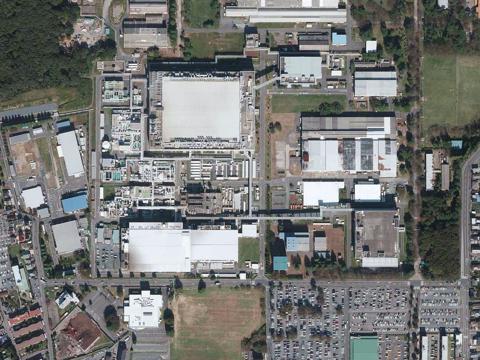
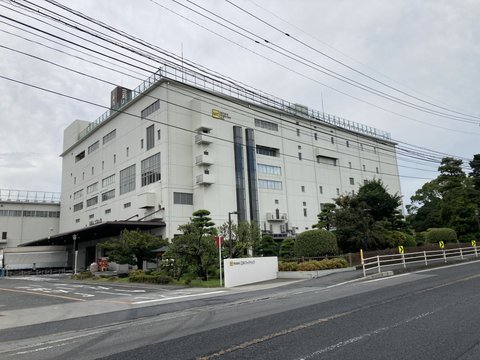
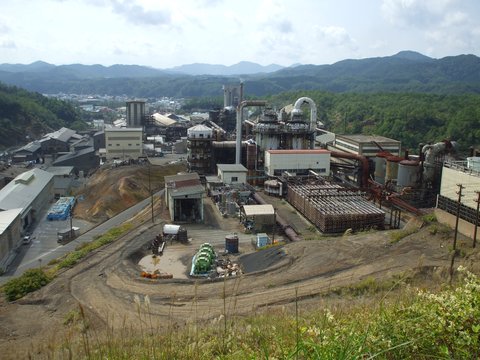
Sumitomo Metal Mining established its Ome operation in September 1967 and began producing semiconductor leadframes. It was a revealing pivot: expertise rooted in mines, smelters, and copper refining entered one of electronics’ smallest manufactured structures—the metal skeleton that carries a chip before plastic packaging hides it.
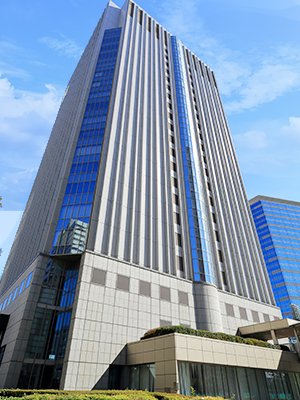
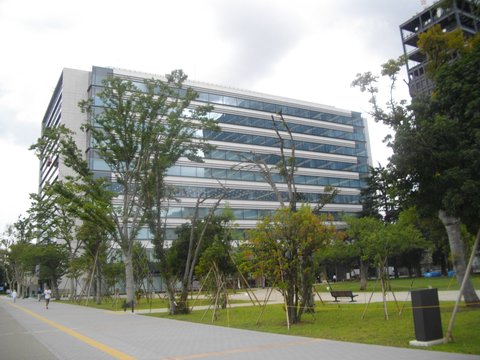
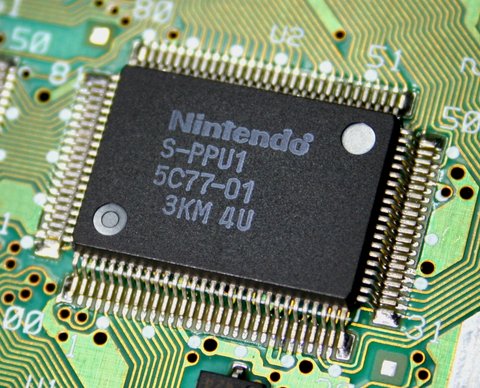
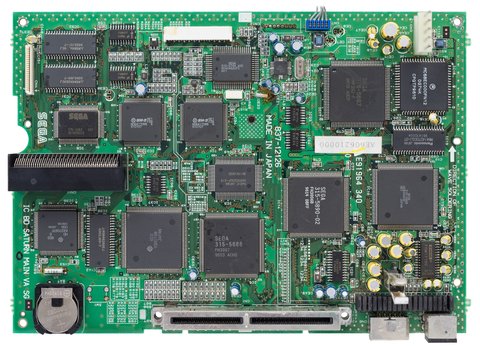
A leadframe supports the silicon die, connects it to external pins, and helps carry heat away. It must be stamped or etched with tight tolerances, plated cleanly, and delivered in huge volumes at low cost. That combination suited a metals company able to control alloys, surfaces, and mass production. Ome later expanded its electronic-material portfolio into products such as thick-film pastes and sputtering targets.
The good was scale with reliability. Leadframes helped turn delicate dies into robust, testable components for radios, calculators, automobiles, and industrial equipment. They also let an old resource company move downstream, capturing value through process knowledge rather than selling refined metal alone. The lesson is broader than one product: semiconductor ecosystems reward firms that translate mature capabilities into exacting new specifications.
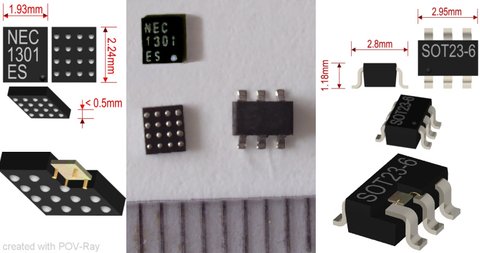
The bad was relentless commoditization. Customers demanded thinner material, finer pitch, lower defects, and lower prices at the same time. Newer package forms such as ball-grid arrays and chip-scale packages reduced the role of traditional leaded packages in many high-performance applications. Stamping, etching, cleaning, and plating also create scrap and chemical-management obligations, while the upstream metals lineage carries the environmental costs of extraction and refining.
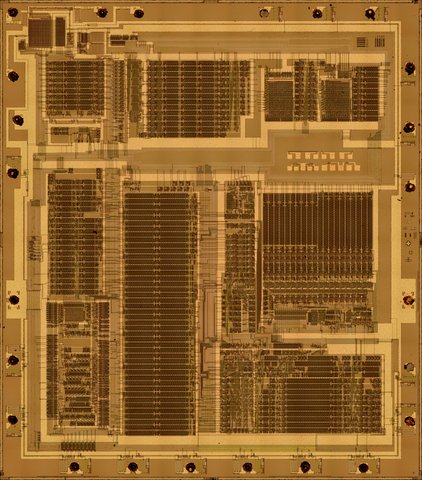
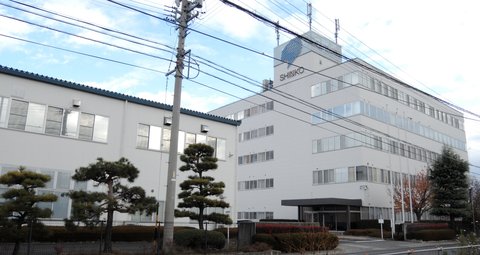
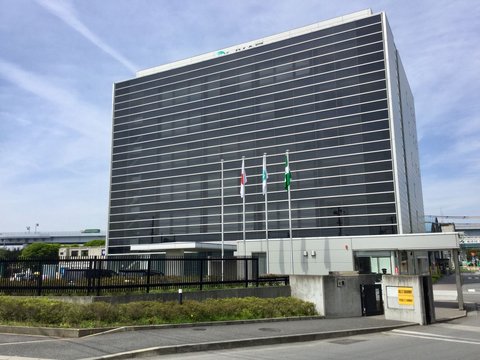
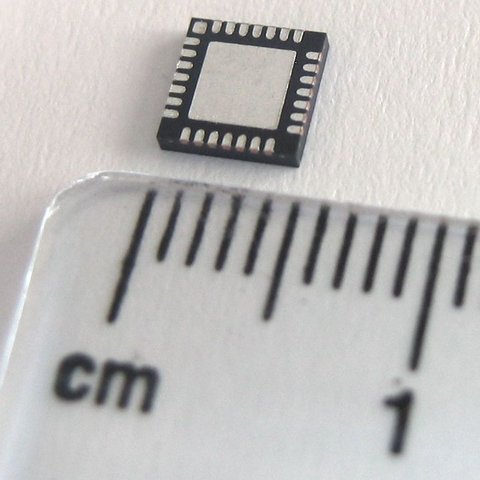
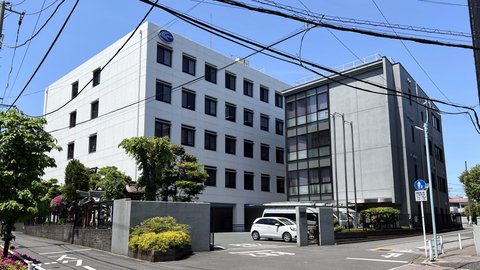
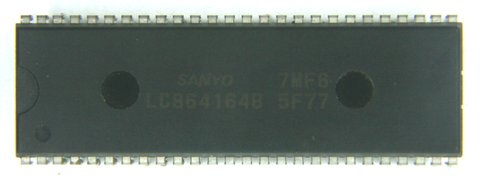
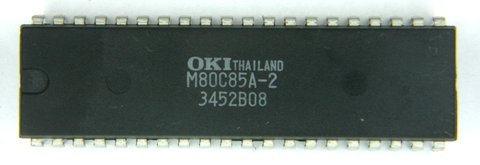
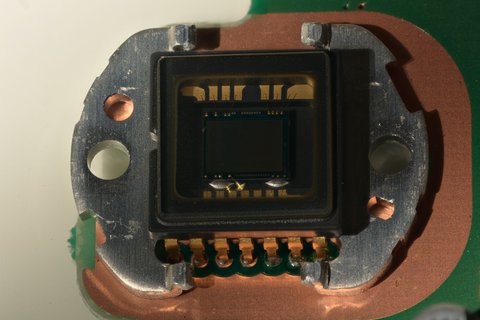
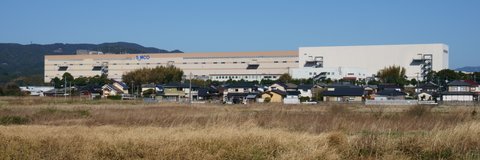
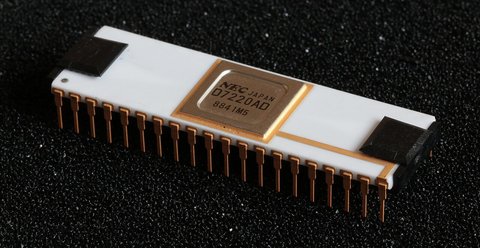
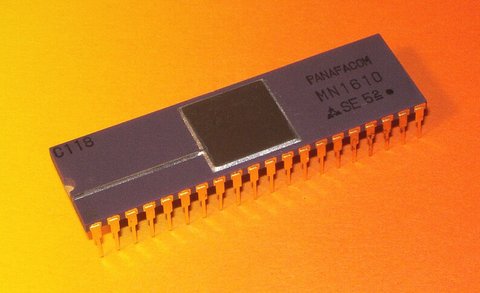
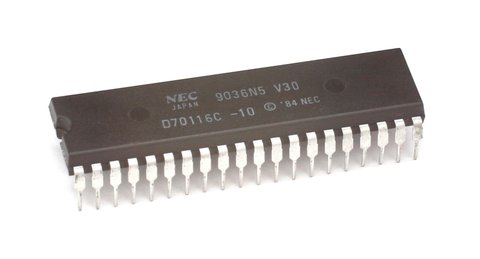
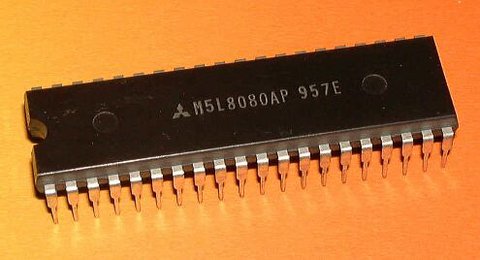
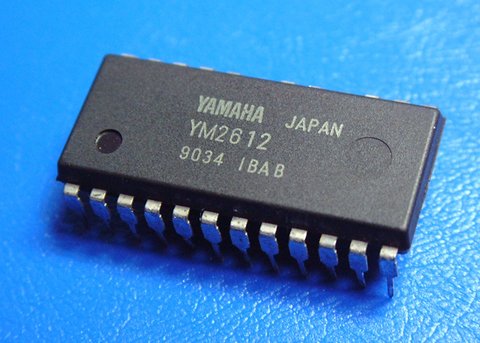
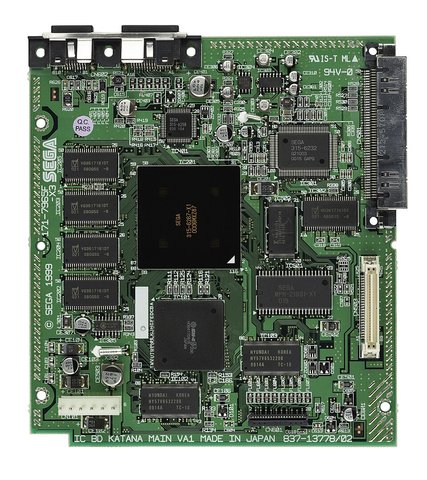
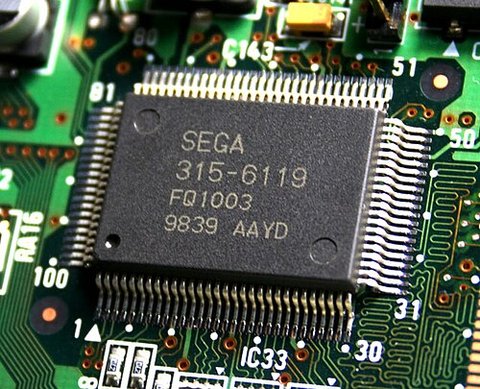
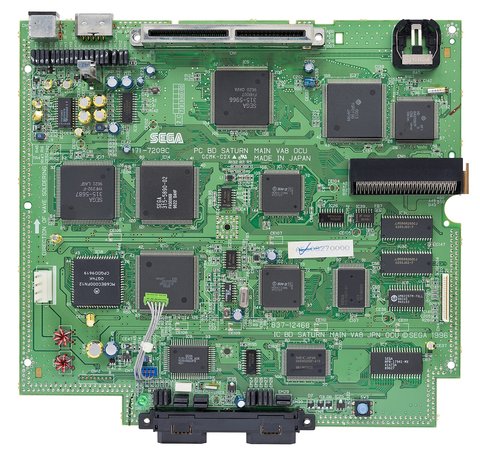
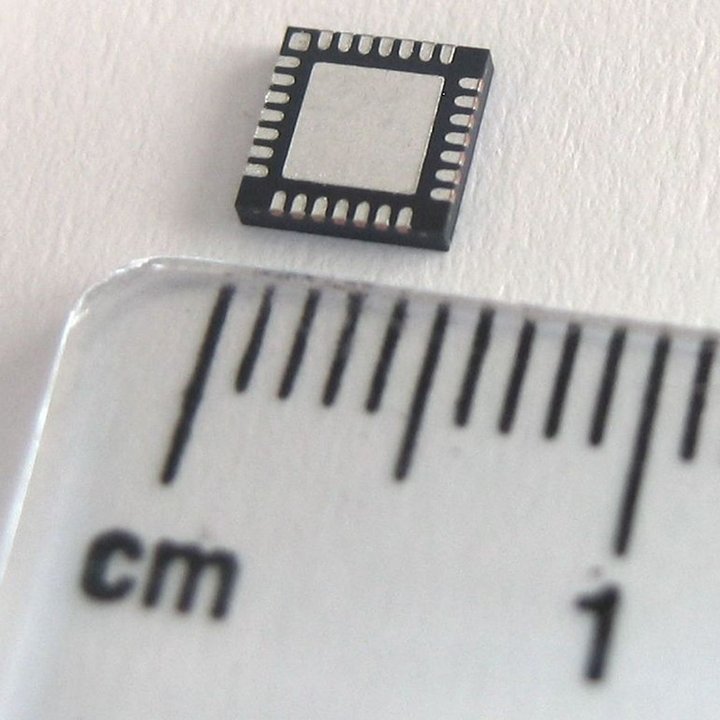
The Ome pin marks the operation identified by Sumitomo Metal Mining’s official history. The cover is an illustrative 28-pin micro-leadframe package photographed years later; it demonstrates the package form, but it is not identified as an SMM-made part and should not be read as a product claim.
Sources: Sumitomo Metal Mining corporate history, Ome District profile, and domestic-location directory.
Photo: “28 pin MLP integrated circuit,” Mike1024, public domain. https://commons.wikimedia.org/wiki/File:28_pin_MLP_integrated_circuit.jpg
changes?
delete this memory?
We detected that you have a Blox in your crypto wallet! We will import the Blox into your account.
Click on done below to complete the import.
Welcome Back!
Sign in to preserve cherished moments
Don't have an account?
Welcome!!
Sign up and start preserving cherished moments
?
?
Choose your payment method
Buy with Metablox Credit
Do you want to mint Blox with Metablox Credit?
Which Crypto would you like to use?
Purchase Confirmed!
Your Blox is being minted on-chain and will appear in your profile shortly.
Log in or sign up to claim your Blox.
How many credits do you want to buy?
$100 USD = 1 Metablox Credit = 1 Blox.
Use Metablox Credit to mint any Blox you want on the map.
expand_more