
- Home
- Semiconductor History | Japan | From Nihonbashi to Chitose
- Semiconductor History | Kokusai Toyama — The Batch Furnace Turns Vertical
Semiconductor History | Kokusai Toyama — The Batch Furnace Turns Vertical
· 1989
Personal memoryBy kevin · · updated · Report an issue

Find memories left by people near you.
Distribute Bounty
This will distribute the bounty equally among all qualifying memories. This action cannot be undone.
Cancel Bounty
Are you sure you want to cancel this bounty? The remaining amount will be refunded to your account.
Success!
Operation completed successfully.
Error
Something went wrong.
Semiconductor History | Kokusai Toyama — The Batch Furnace Turns Vertical
kevin
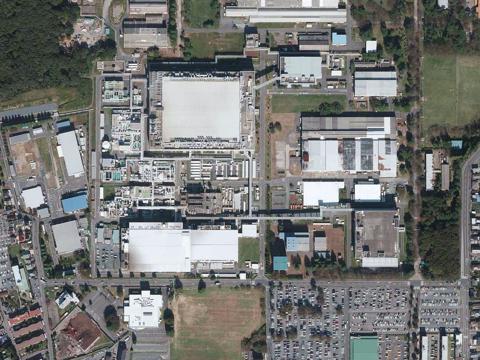
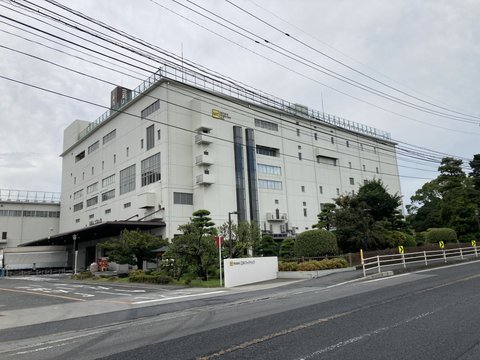
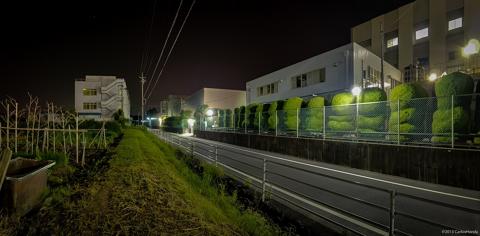
Kokusai Electric’s predecessor businesses entered semiconductor manufacturing equipment in 1956 and introduced a diffusion furnace in 1964. In 1985 they commercialized the VERTRON vertical CVD and diffusion system; four years later, Toyama Works began operations as the production base for a technology that would become central to the company’s identity.
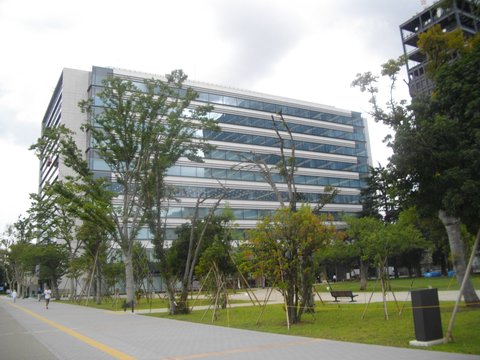
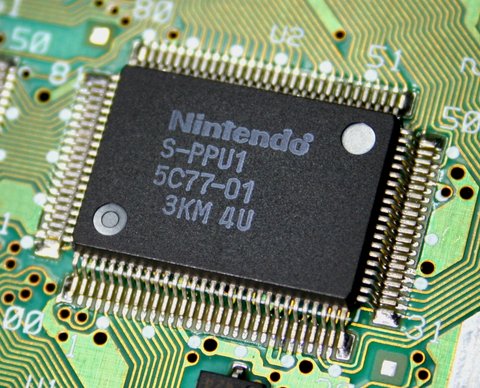
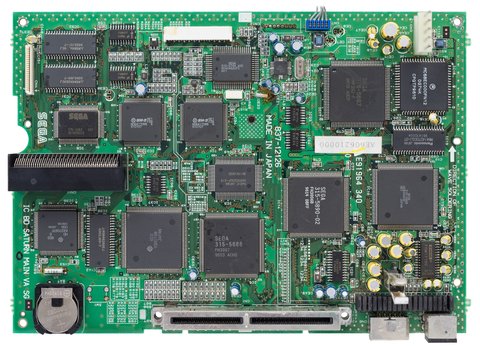
Thermal processing changes wafers through heat and carefully controlled gases. A vertical batch furnace stacks many wafers inside a tall reaction tube, then runs oxidation, diffusion, annealing, or film-deposition steps with controlled temperature and flow. Turning the furnace upright reduced cleanroom footprint and helped manage particles and wafer handling while preserving the economic advantage of processing many wafers together.
The good was disciplined scale. Batch tools could deliver repeatable films across scores of wafers, making them valuable for memory and other high-volume processes. Toyama concentrated manufacturing, assembly, and improvement around a demanding class of equipment. This was another Japanese route to semiconductor influence: not designing the chip, but perfecting a machine whose uniformity and uptime affected every die in a batch.
The bad is embedded in batching. If temperature, gas flow, contamination, or a recipe goes wrong, many wafers can be affected at once. Long cycles create work-in-process risk, and batch architecture can be less flexible than single-wafer tools for rapidly changing or highly differentiated steps. Equipment demand is cyclical, customer qualification is slow, and Kokusai’s corporate lineage passed through mergers and ownership changes that could distract from long-horizon engineering.
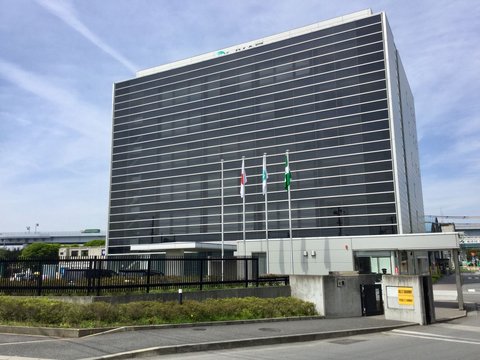
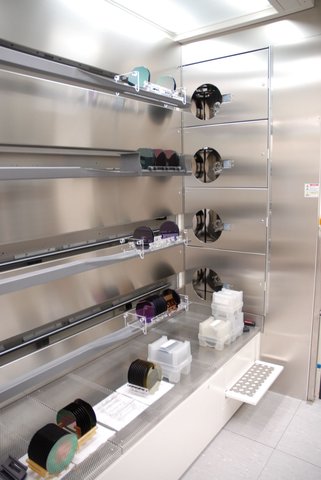
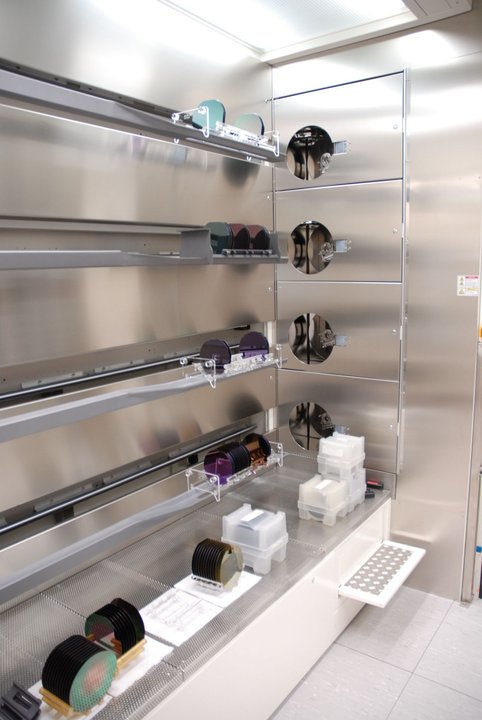
The Toyama pin marks the plant that opened in 1989. The cover is a licensed photograph of generic diffusion and oxidation furnaces at LAAS in Toulouse, made by Centrotherm—not Kokusai equipment. It is used only to show the physical logic of a vertical furnace bank; the manufacturer and location difference are explicit.
Sources: Kokusai Electric corporate history, company profile, business description, and Toyama location information.
Photo: “Centrotherm diffusion furnace at LAAS 0489,” Guillaume Paumier, CC BY-SA 3.0. https://commons.wikimedia.org/wiki/File:Centrotherm_diffusion_furnace_at_LAAS_0489.jpg
changes?
delete this memory?
We detected that you have a Blox in your crypto wallet! We will import the Blox into your account.
Click on done below to complete the import.
Welcome Back!
Sign in to preserve cherished moments
Don't have an account?
Welcome!!
Sign up and start preserving cherished moments
?
?
Choose your payment method
Buy with Metablox Credit
Do you want to mint Blox with Metablox Credit?
Which Crypto would you like to use?
Purchase Confirmed!
Your Blox is being minted on-chain and will appear in your profile shortly.
Log in or sign up to claim your Blox.
How many credits do you want to buy?
$100 USD = 1 Metablox Credit = 1 Blox.
Use Metablox Credit to mint any Blox you want on the map.
expand_more