Finance History | State Department, 10 March 1989 — Sovereign Bank Loans Became Brady Bonds
volume_up
Listen
directions
Directions
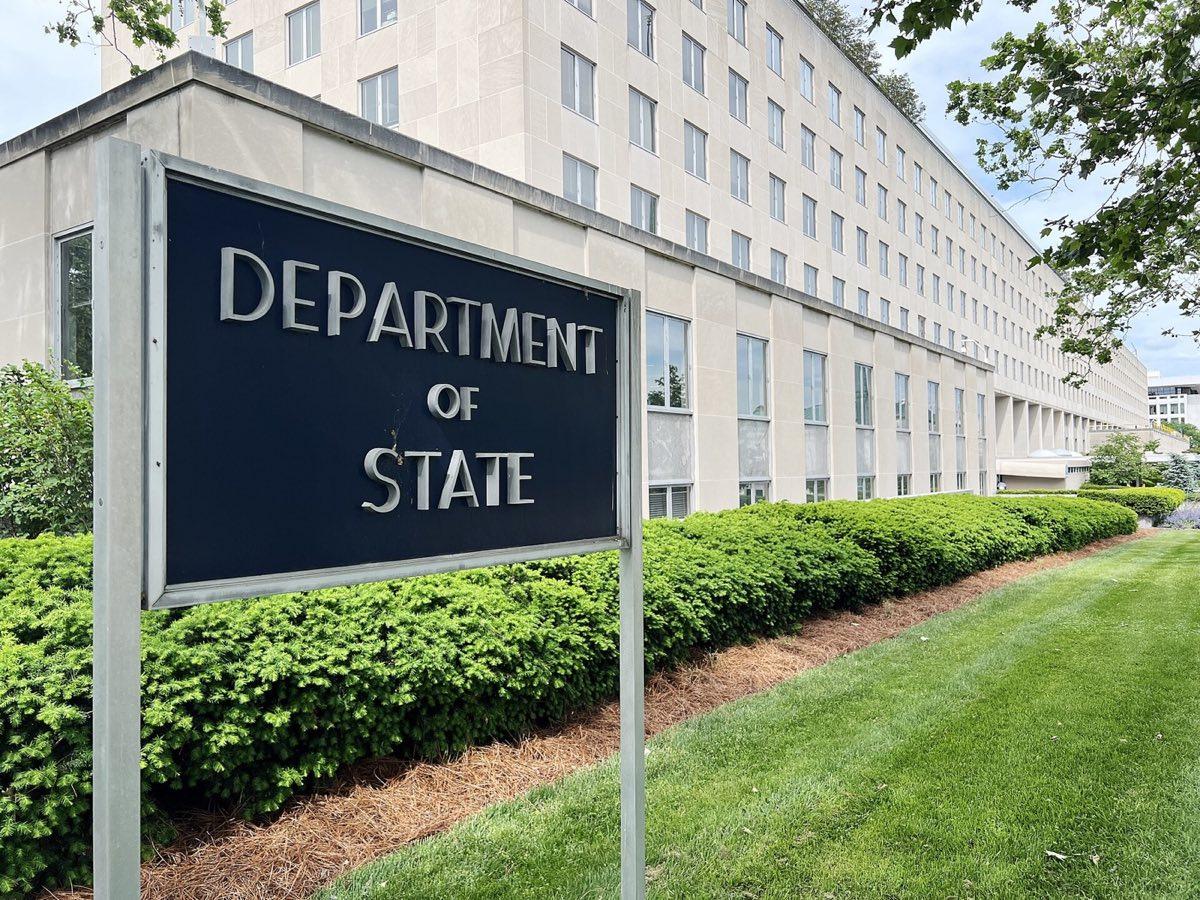
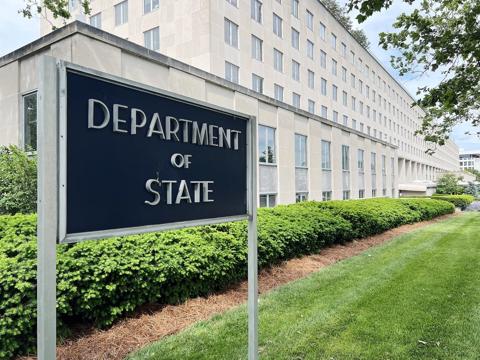
On 10 March 1989, Treasury Secretary Nicholas Brady addressed a private conference on developing-country debt at the U.S. Department of State in Washington. The meeting was sponsored by the Brookings Institution and the Bretton Woods Committee, but contemporary reporting places the speech inside the State Department’s main building.
The announcement changed the official approach to the debt crisis that had begun in 1982. Much of the distressed sovereign debt was held as syndicated loans on commercial-bank balance sheets, and the existing strategy emphasized policy reform, rescheduling, and additional lending rather than reducing the debt stock.
Brady put reduction of principal and interest obligations onto the policy menu. He proposed that the International Monetary Fund and World Bank support voluntary agreements between debtor governments and creditor banks, giving both sides a route to exchange impaired loans for instruments that could trade more easily.
The resulting Brady deals converted bank loans into bonds with standardized terms. Creditors could often choose among options, including discount bonds with a lower face value or par bonds that preserved principal while carrying below-market interest rates.
Collateral supplied the crucial bridge. High-quality securities, commonly U.S. Treasury zero-coupon bonds, could secure principal at maturity, while separate arrangements supported interest payments; that protection made the new bonds more acceptable to investors even though the debtor country still carried substantial risk.
Securitization also widened the market. A negotiable bond could be priced and resold among investors more readily than a share in a complicated syndicated loan, moving sovereign debt from relationship banking toward the emerging-market bond market.
The speech announced a framework rather than a completed rescue. Details were negotiated country by country, with Mexico reaching the first Brady agreement later in 1989, and policy conditions remained tied to IMF and World Bank programs.
The State Department venue fits the policy’s character. The plan joined diplomacy, bank regulation, multilateral lending, and capital-market design to address debts that had become both a financial burden and a source of political strain across Latin America and other regions.
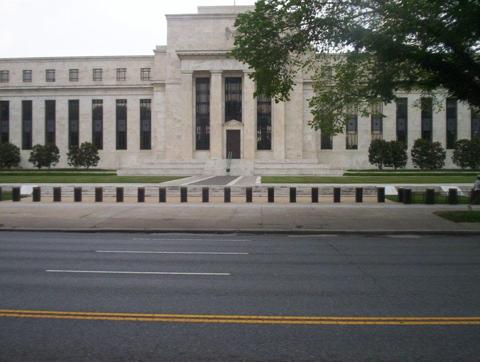
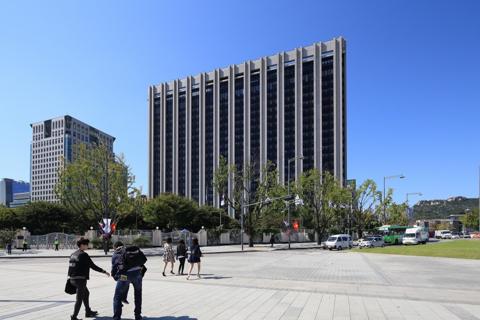
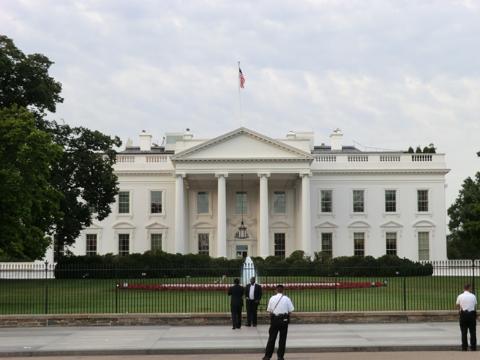
Image: “Exterior of the State Department, Harry S. Truman Building, May 2024” by Linda D. Epstein, U.S. Department of State, public domain, via Wikimedia Commons.










 expand_more