Finance History | White House, 15 August 1971 — The Dollar's Gold Window Closed
volume_up
Listen
directions
Directions
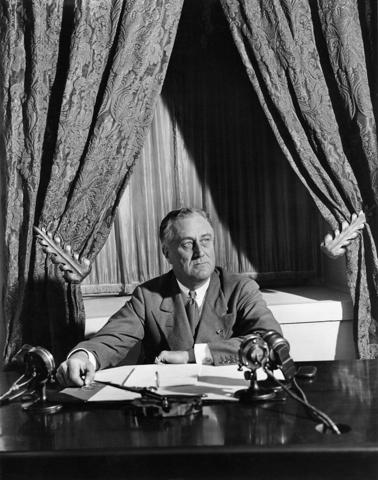
On the evening of 15 August 1971, President Richard Nixon spoke from the Oval Office and suspended the conversion of official foreign dollar holdings into United States gold. The announcement turned a pressure building inside the postwar monetary system into a public break.
Under the Bretton Woods arrangement, other currencies maintained fixed but adjustable rates against the dollar, while foreign monetary authorities could obtain gold from the United States at $35 an ounce. The arrangement depended on confidence that the Treasury could honor that promise even as dollar claims accumulated abroad.
By the late 1960s, overseas dollars were growing faster than the American gold stock that stood behind official convertibility. Inflation, balance-of-payments deficits, and increasingly competitive European and Japanese economies made holding dollars less attractive and made a run on United States gold more plausible.
Nixon and senior advisers met at Camp David from 13 to 15 August to assemble a broader New Economic Policy. The package also imposed a 90-day wage and price freeze and a 10 percent import surcharge, measures aimed at domestic inflation and pressure for foreign currencies to appreciate.
Closing the gold window did not immediately create today's freely floating currency system. Officials first tried to reconstruct fixed rates through the Smithsonian Agreement in December 1971, but renewed pressure led major currencies toward generalized floating in 1973.
The immediate mechanism was narrower than the phrase ending the gold standard can suggest. Americans had already been unable to redeem ordinary dollars for Treasury gold since the 1930s; Nixon stopped redemption for foreign governments and central banks, the remaining official link in the Bretton Woods structure.
That distinction mattered because central-bank reserves were no longer claims that could be routinely settled in a fixed quantity of gold. The dollar remained the leading reserve and transaction currency, but its value increasingly rested on monetary institutions, fiscal capacity, market demand, and political confidence.
The Oval Office address therefore marks both an ending and a durable paradox. The United States removed the dollar's formal gold anchor, yet the dollar-centered international system survived and expanded without it.
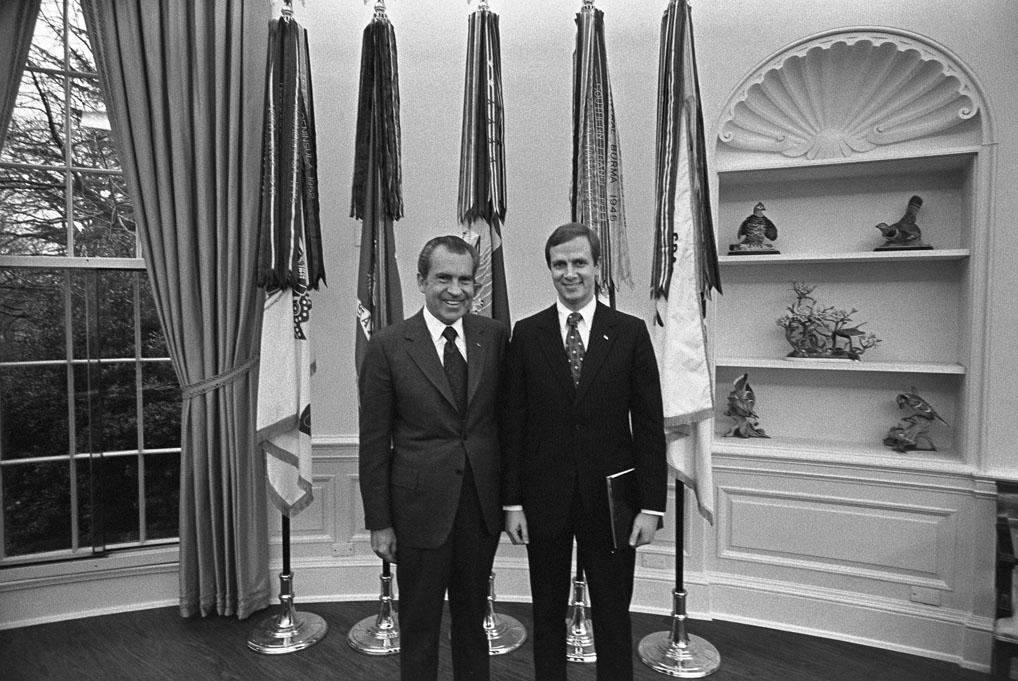
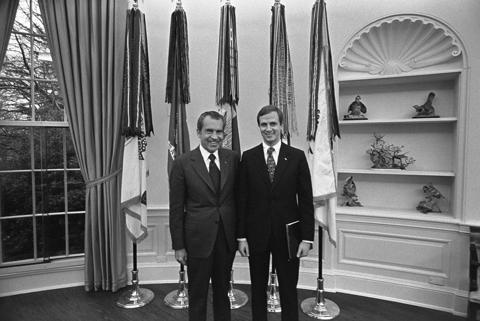
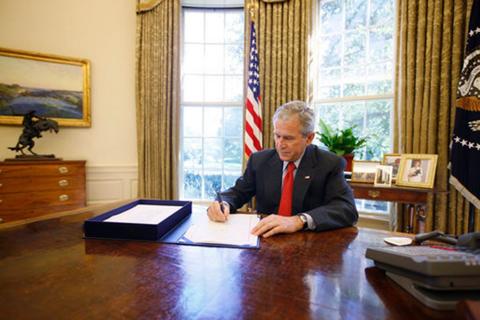
The accompanying photograph shows Richard Nixon in the Oval Office in 1971; it is a United States government work in the public domain via Wikimedia Commons.













 expand_more