Finance History | Bank of Taiwan, 15 June 1949 — Forty Thousand Old Dollars Became One New Dollar
volume_up
Listen
directions
Directions
On 15 June 1949, the Taiwan Provincial Government promulgated rules for a new currency and the Bank of Taiwan began issuing the New Taiwan dollar. At its Taipei head office, money was redenominated at 40,000 old Taiwan dollars for one new dollar.
The conversion followed a rapid destruction of purchasing power. The old Taiwan dollar had been introduced by the reorganized Bank of Taiwan in 1946, but fiscal strain, credit expansion, disrupted production, and economic links with the Chinese Civil War helped push the island into severe inflation.
Redenomination removed four-and-a-half orders of magnitude from prices and account balances, but deleting zeros alone could not create stability. The reform also limited the period for exchange and declared old notes outside the deadline no longer acceptable as legal tender.
The institutional setting was unusual. The Central Bank of the Republic of China did not resume operations in Taiwan until 1961, so the Bank of Taiwan acted as the issuing institution when the new currency began circulating.
The new notes therefore carried the Bank of Taiwan's name for decades. After 1961, the central bank entrusted issuance to the Bank of Taiwan, and only in 2000 did notes bearing the central bank's own name begin replacing the older designs.
The exchange ratio captured the scale of the loss suffered by holders of the old currency. A nominal balance of 40,000 became one, while the reform attempted to separate future transactions from the inflationary unit in which past contracts and savings had been written.
Currency reform works only when people believe the forces that ruined the previous unit will not simply continue in the new one. In Taiwan, monetary restraint, fiscal and institutional changes, foreign assistance, and the island's later export-led growth all belonged to the longer stabilization story.
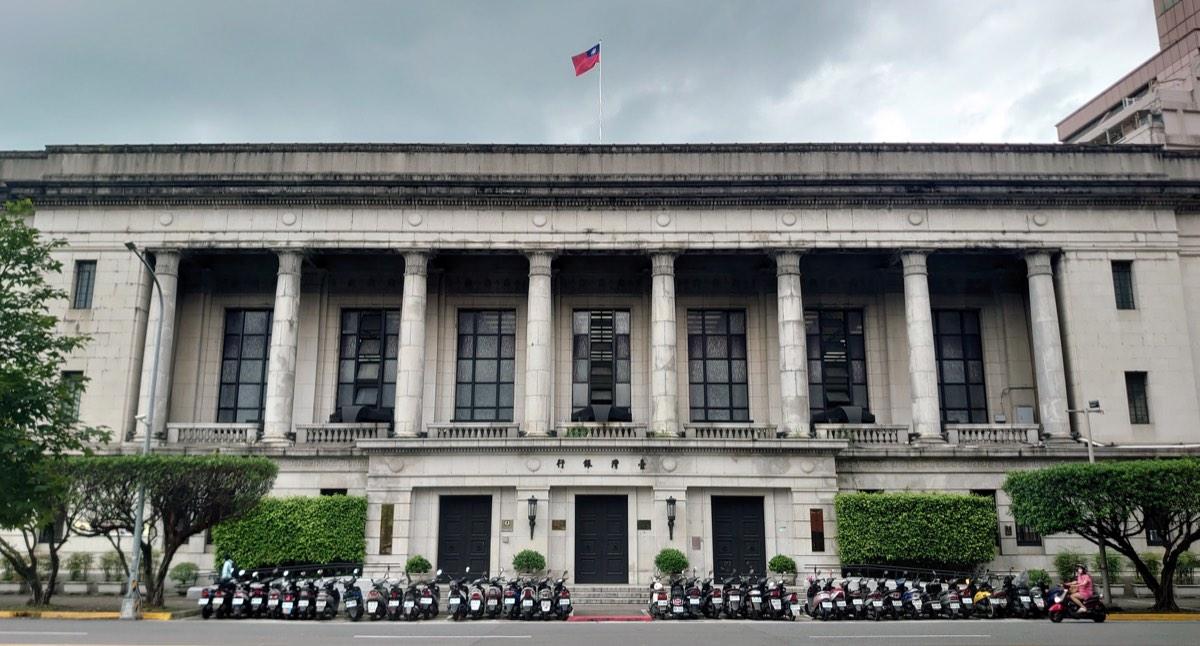
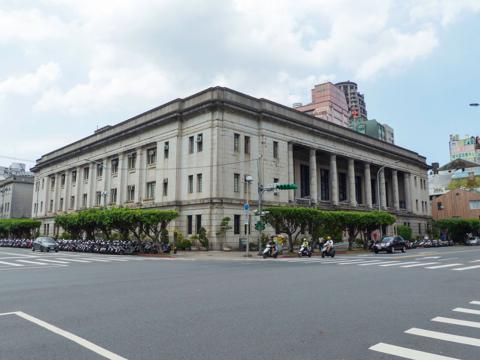
The granite head office on Chongqing South Road had been completed before the reform and remained the bank's administrative center. Its counters and ledgers made the government's conversion rule tangible for households and businesses that had to translate old claims into the new unit.
The building thus marks more than the birth date printed in currency histories. It is the place where a society tried to restore a common measure of value after inflation had made the existing measure unusable.
The accompanying photograph is by Yu tptw, licensed CC BY-SA 4.0 via Wikimedia Commons.











 expand_more