Finance History | White House, 30 January 1934 — Monetary Gold Moved from the Federal Reserve to the Treasury
volume_up
Listen
directions
Directions
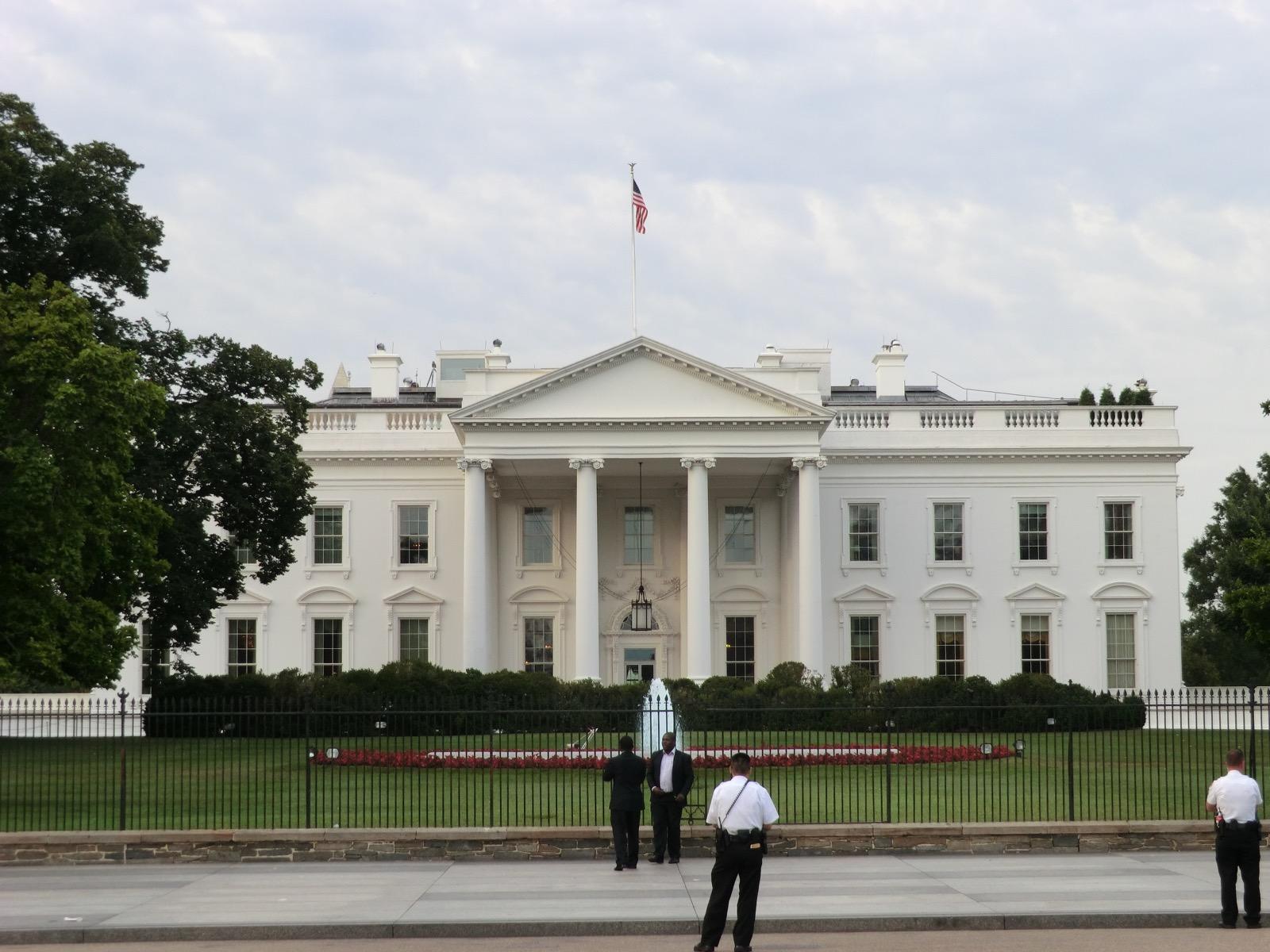
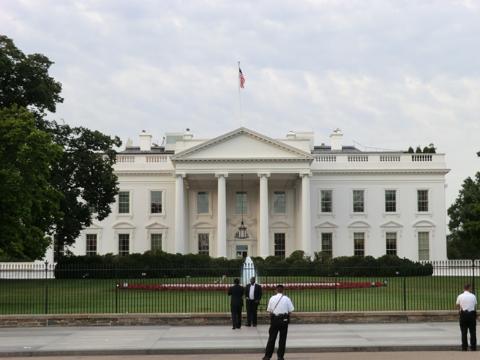
On 30 January 1934, President Franklin D. Roosevelt signed the Gold Reserve Act at the White House. The law completed a monetary reorganization begun during the banking emergency of 1933 by transferring ownership of the nation’s monetary gold to the United States Treasury.
Before the act, Federal Reserve Banks held gold and gold certificates as part of the reserve structure supporting currency. Private ownership and export had already been sharply restricted, and ordinary domestic redemption of dollars for gold had effectively ended. The new law made the institutional shift explicit: title to Federal Reserve gold passed to the federal government, while the Reserve Banks received gold-certificate credits in Treasury accounts.
The act also withdrew gold coin from circulation and authorized the Treasury to regulate the acquisition, possession, transport, import, and export of gold. Industrial and professional uses could continue under rules, but gold was no longer an ordinary monetary asset that holders could demand in exchange for paper currency.
On 31 January, Roosevelt used the act’s authority to reduce the gold content of the dollar. The official price rose from $20.67 to $35 per troy ounce, meaning that each dollar represented substantially less gold than under the old standard. Revaluing the government’s gold stock created an accounting gain and supported an effort to raise domestic prices during the Depression.
Congress assigned $2 billion of that increment to a new Exchange Stabilization Fund. Controlled by the Treasury with presidential approval, the fund could deal in gold, foreign exchange, securities, and other instruments to influence the dollar’s external value. It gave the executive branch a monetary tool that did not depend on a Federal Reserve open-market decision.
The law did not establish the later Bretton Woods system, nor did it make the dollar freely convertible for Americans at $35. It centralized monetary gold, altered the dollar’s legal gold value, and shifted important authority toward the Treasury. Foreign official convertibility at $35 became part of the postwar system and lasted until 1971.
At the White House, gold stopped being chiefly a reserve asset distributed through the Federal Reserve System and became an asset owned and directed by the Treasury. The signature changed both the dollar’s measure and the location of monetary power.
Image: “White House North side - july 2012” by Benoît Prieur, dedicated to the public domain under CC0, via Wikimedia Commons.





































 expand_more