Finance History | Reserve Bank of New Zealand, 2 March 1990 — Inflation Became a Public Contract
volume_up
Listen
directions
Directions
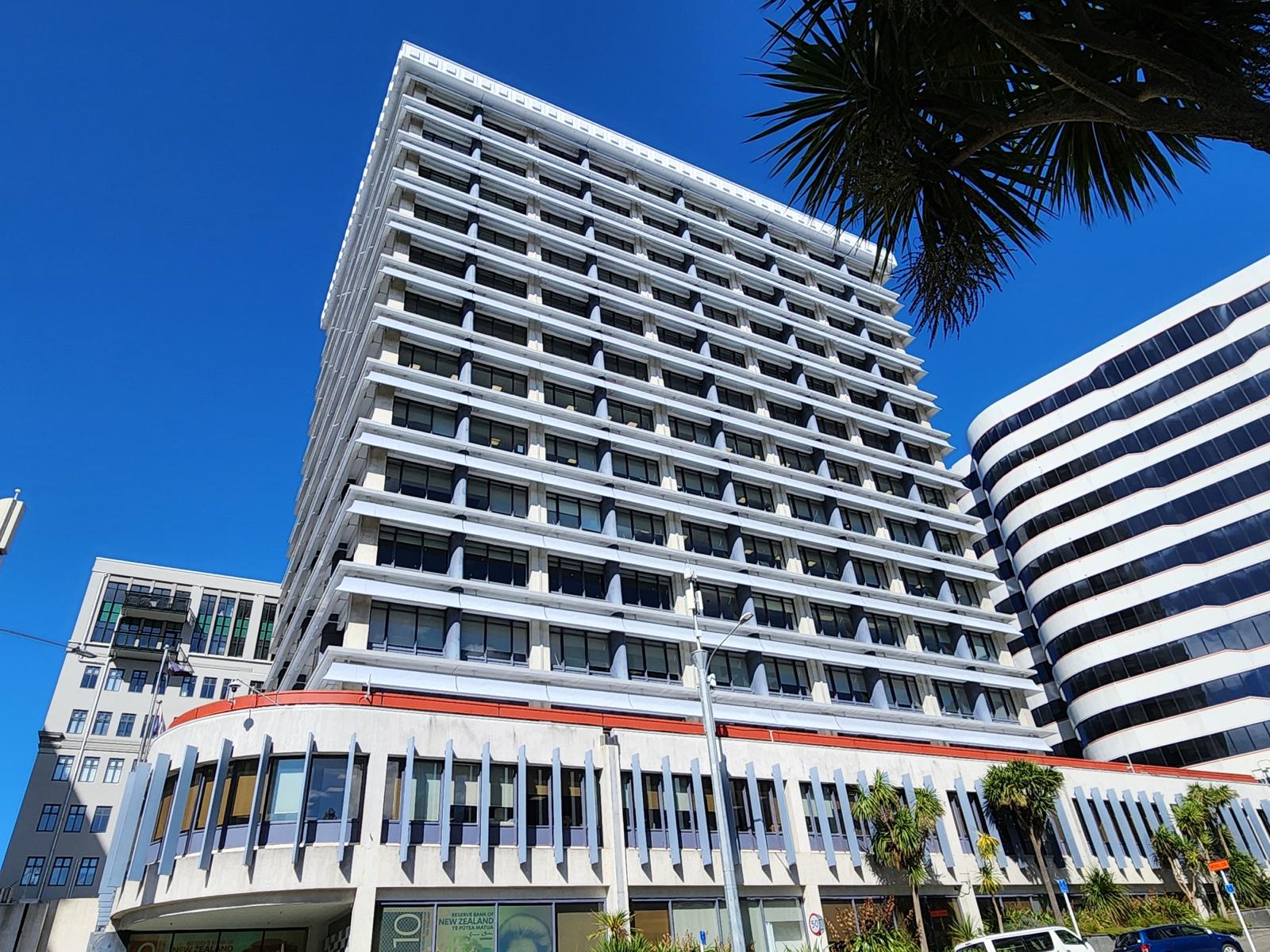
On 2 March 1990, Finance Minister David Caygill and Reserve Bank Governor Donald Brash signed New Zealand's first Policy Targets Agreement. From its Wellington headquarters, the Bank became the clearest early example of a central bank governed by a public numerical inflation objective.
The agreement implemented the Reserve Bank of New Zealand Act 1989, which had made price stability the primary purpose of monetary policy. The law separated two decisions that governments had often mixed together: elected ministers helped define the target, while the Governor received independence to choose the instruments used to pursue it.
The first agreement required annual consumer-price inflation to fall into a range of zero to 2 percent by the end of 1992. It also made the target public, so the Governor's performance could be judged against a document rather than an unannounced preference.
This design created a particular kind of independence. The Bank did not choose its ultimate objective alone; the Minister and Governor had to agree on the meaning of price stability, while the Governor became personally accountable for policy implementation.
At the time of signing, inflation was still above the final target and the economy was entering a difficult adjustment. Tight monetary conditions, fiscal reform, recession, and disinflation abroad all contributed to the decline, which makes the result more complicated than a single-policy success story.
The institutional mechanism mattered beyond New Zealand. A published target can influence wage bargaining, price setting, and long-term interest rates when households and firms believe the central bank will act consistently enough to deliver it.
It also exposes failure more clearly. If inflation departs from the target, the central bank must explain whether the miss reflects policy, a temporary shock, or a target that is unrealistic for the conditions.
Other countries soon adopted variants with wider bands, longer horizons, and greater concern for output and employment. New Zealand's framework itself evolved, but the division between a publicly defined objective, operational independence, and regular accountability became a model for modern inflation targeting.
The Reserve Bank building at 2 The Terrace therefore marks more than a change in New Zealand policy. It represents the moment monetary credibility was recast as an explicit contract between democratic authority, a central-bank governor, and the public.
The accompanying photograph is by Panamitsu, licensed CC BY-SA 4.0 via Wikimedia Commons.





























 expand_more