Finance History | 日本銀行本店 Bank of Japan, 12 February 1999 — Monetary Policy Reached the Zero Boundary
volume_up
Listen
directions
Directions
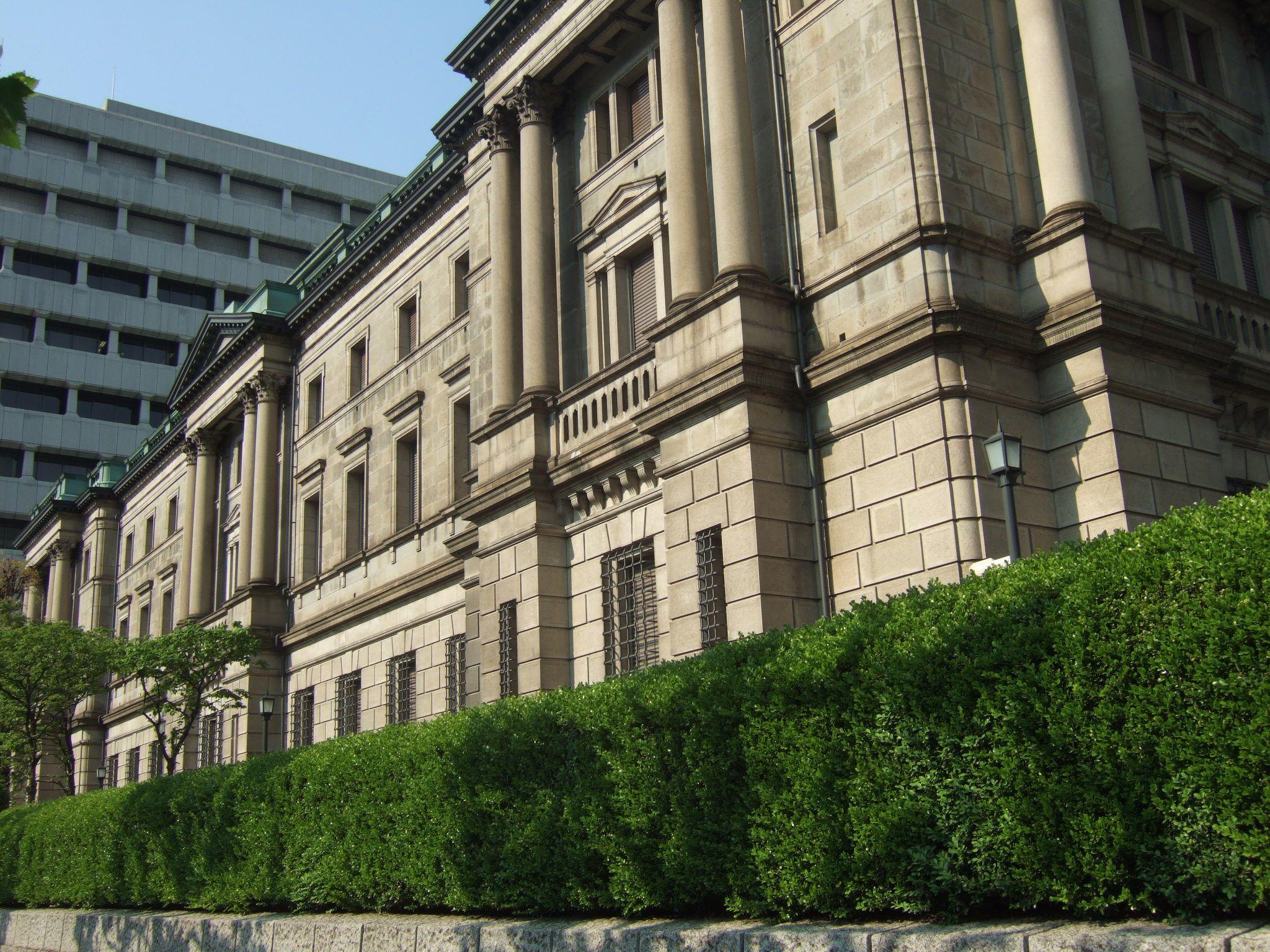
On 12 February 1999, the Bank of Japan’s Policy Board met at its Nihonbashi head office and pushed a major central bank to the edge of zero interest rates for the first time in the modern era.
Japan’s asset-price collapse had been followed by years of weak growth, falling land and share prices, impaired bank balance sheets, and repeated fiscal support. The failures of major financial institutions in 1997 and the Asian financial crisis added pressure to an economy already close to deflation.
The overnight call-rate target had been reduced to about 0.25 percent in September 1998. In February, the Board directed the Bank to supply more funds, guide the rate initially toward roughly 0.15 percent, and then encourage it lower while preserving the functioning of the money market.
By March, the overnight rate was effectively zero. In April, Governor Masaru Hayami added a duration commitment: the stance would continue until concern about deflation had been dispelled.
That promise mattered because a rate at zero cannot be cut much further. Policy therefore began to work through expectations about how long short-term rates would remain low, the shape of the yield curve, and the willingness of the central bank to provide ample liquidity.
The approach also exposed practical limits. As returns on overnight lending approached nothing, trading could shrink because institutions preferred leaving balances at the central bank to incurring transaction and counterparty costs in the call market.
The Bank ended the policy in August 2000 after judging that deflationary pressure had eased. The recovery proved fragile; within seven months rates were back near zero, and in March 2001 the operating target shifted from the overnight rate to the quantity of current-account balances at the Bank.
This sequence made Nihonbashi a starting point for unconventional monetary policy. Central banks elsewhere later used extended rate guidance, large-scale asset purchases, and balance-sheet targets when their own conventional rate instruments reached the same boundary.
Japan’s experience showed that zero was not the end of monetary policy. It was the point at which the instrument changed from a single overnight price toward expectations, liquidity quantities, and the composition of the central bank balance sheet.
The accompanying photograph is by RaTT, licensed CC BY-SA 3.0 via Wikimedia Commons.


















 expand_more