Finance History | Bank of England, 5 March 2009 — Seventy-Five Billion Pounds Began as New Reserves
volume_up
Listen
directions
Directions
On 5 March 2009, the Bank of England's Monetary Policy Committee reduced Bank Rate to 0.5 percent and approved £75 billion of asset purchases financed by the creation of central-bank reserves.
The decision followed a severe contraction in output, damaged credit markets, and a rapid series of conventional rate cuts. With Bank Rate close to what policymakers then regarded as its practical floor, the Committee needed another way to loosen monetary conditions.
The Bank had already been purchasing some private-sector assets through its Asset Purchase Facility using Treasury bills. The March decision changed the financing: new reserve balances would pay for the purchases, turning the facility into an instrument of monetary policy.
Private-sector securities remained eligible, but the Committee expected their supply to fall short of the £75 billion target. Purchases of medium- and long-dated government bonds, known as gilts, would therefore make up most of the program over the following three months.
When the Bank bought a gilt from a pension fund or another investor, the seller's commercial bank received additional reserves and the seller received a bank deposit. The reserve balance stayed inside the banking system, while the investor could hold the deposit or rebalance toward other securities.
That portfolio shift was intended to raise asset prices, lower longer-term yields, and support spending. An IMF study of the announcement found medium- and long-term gilt yields fell roughly 20 to 40 basis points that day, while cautioning that the transmission of quantitative easing was uncertain.
The program grew beyond its initial scale. By January 2010 the Bank had purchased nearly £200 billion of medium- and long-term gilts, along with much smaller amounts of commercial paper and corporate bonds.
Quantitative easing did not mechanically direct new loans to particular households or companies, and a larger reserve balance could not force a bank to lend. Its influence ran through market prices, financing costs, wealth, expectations, and the signal that monetary policy would remain supportive.
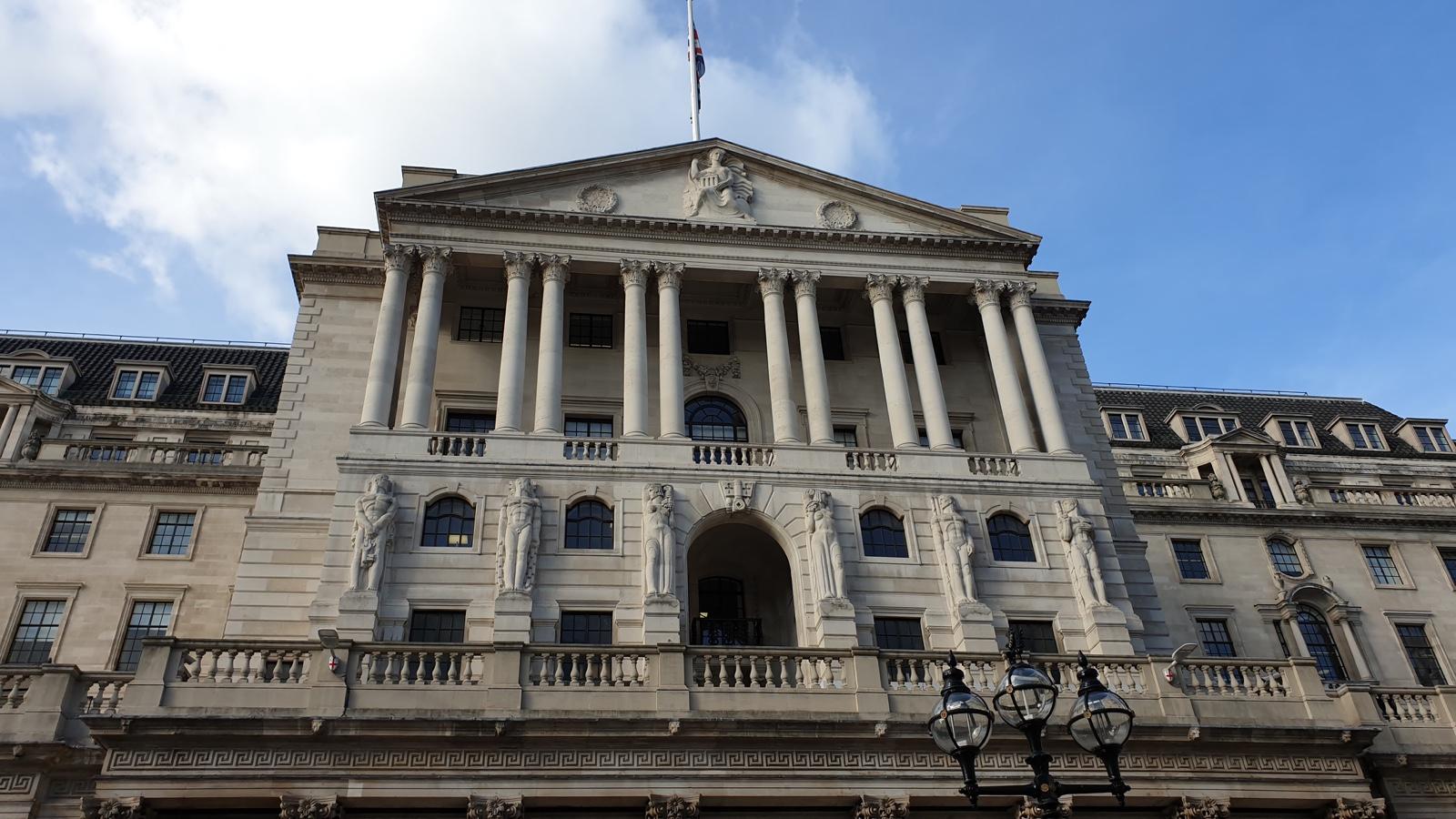
Threadneedle Street therefore marks the point at which British monetary policy expanded from setting one short-term interest rate to managing the quantity and composition of the central bank balance sheet.
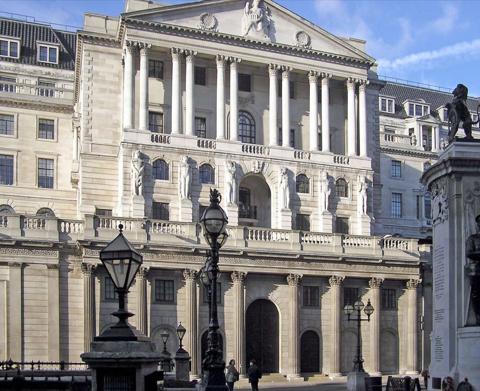
The accompanying photograph is by Michael and has been released into the public domain via Wikimedia Commons.






































 expand_more