Finance History | Bank of England, 18 November 1967 — Sterling Fell from US$2.80 to US$2.40
volume_up
Listen
directions
Directions
On 18 November 1967, the British government announced that sterling’s official parity would fall from US$2.80 to US$2.40. The 14.3 percent devaluation took effect that evening, and the Bank of England became the place where the new price had to be made real in foreign-exchange dealings and reserve management.
Britain had defended the old rate since the pound became convertible under the Bretton Woods system. That commitment grew harder to sustain as recurring balance-of-payments deficits, weak export growth, and doubts about government policy drew down reserves and encouraged holders to sell sterling before a possible change.
Pressure became acute in November. The Bank of England later recorded heavy selling early in the month, while emergency borrowing and official intervention failed to restore confidence. A devaluation that ministers had resisted since Labour took office in 1964 became the alternative to continuing reserve losses and tighter domestic restraint.
The government presented the new rate as a way to make British exports cheaper abroad and imports dearer at home. The International Monetary Fund approved the change, and many currencies linked to sterling adjusted with it. Markets reopened after the announcement under a parity that placed the pound at roughly 2.13 grams of fine gold rather than about 2.49 grams.
Devaluation did not itself remove Britain’s structural problems. Exporters still had to turn a price advantage into higher sales, while more expensive imports threatened domestic prices and wages. The government paired the move with spending and credit measures intended to redirect demand toward exports and restrain inflation.
Prime Minister Harold Wilson tried to distinguish the external value of sterling from the purchasing power of wages and savings at home. That political reassurance became inseparable from the episode, but the immediate financial fact was simpler: the state could no longer support the price it had promised in the foreign-exchange market.
The change also exposed the tension inside fixed-rate systems. A peg can anchor expectations, yet defending it may force a country to sacrifice reserves and domestic policy freedom when its external accounts remain out of balance.
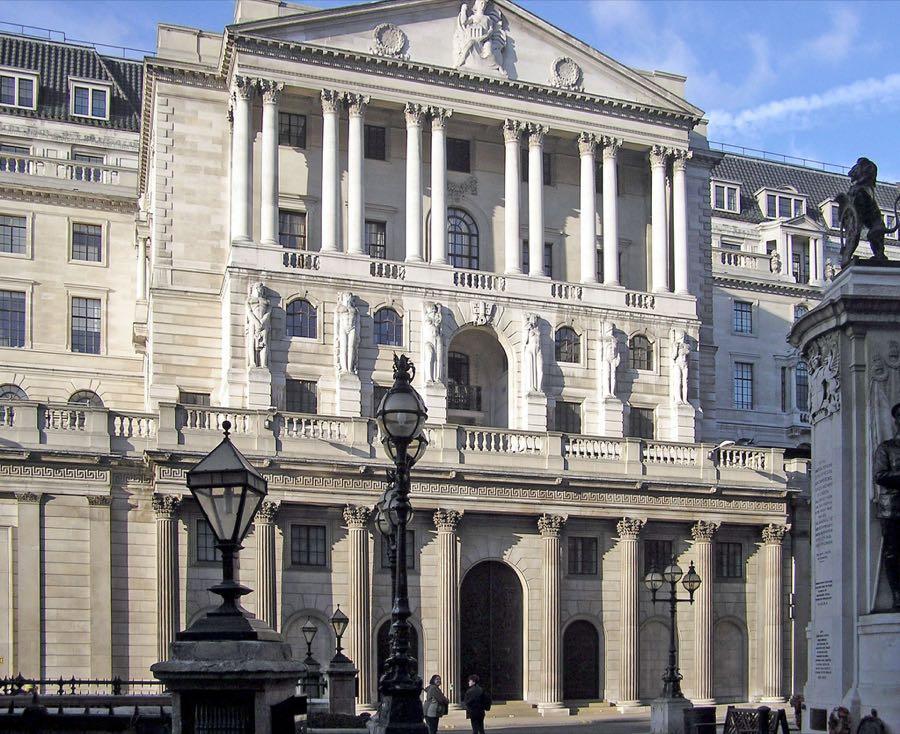
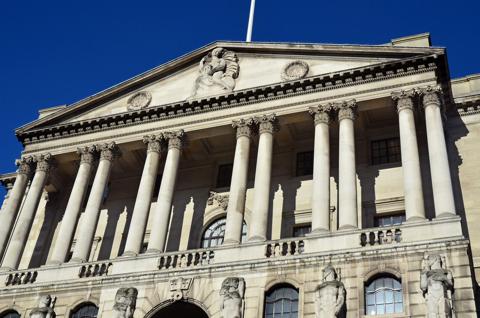
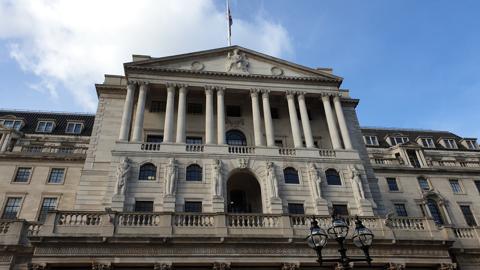
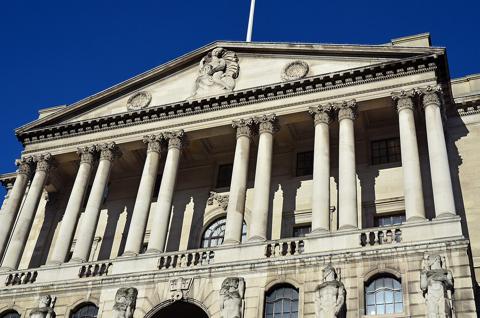
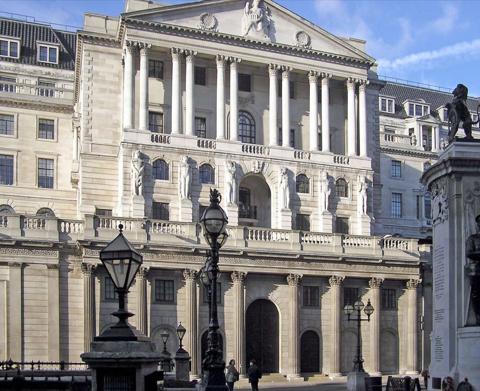
At Threadneedle Street, the pound’s official dollar value moved in one step rather than through daily trading. Britain stayed within Bretton Woods, but at a parity that acknowledged how far market pressure had outrun the old promise.
Photo: Adrian Pingstone, public domain, via Wikimedia Commons.




























 expand_more