Finance History | Bank Negara Malaysia, 1 September 1998 — Capital Controls Cut the Ringgit's Offshore Circuit
volume_up
Listen
directions
Directions
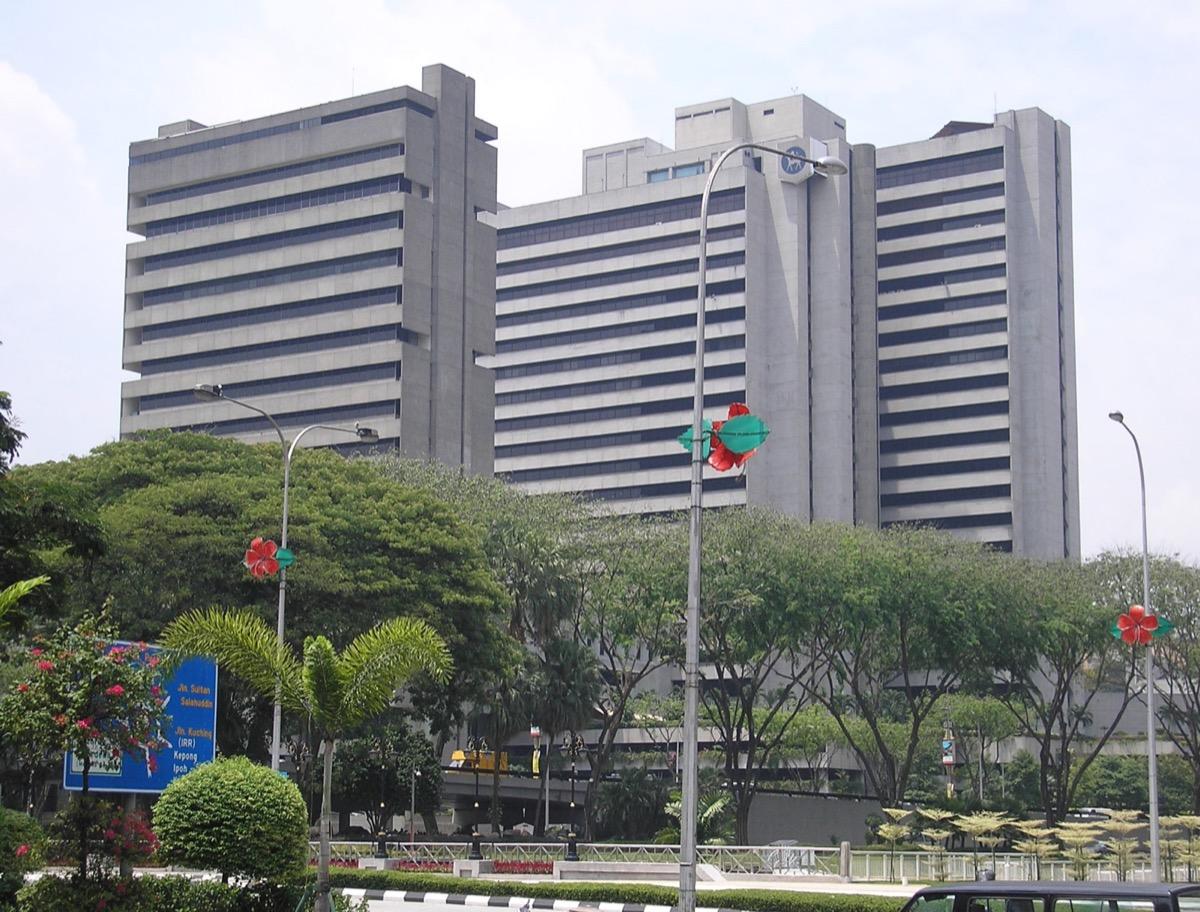
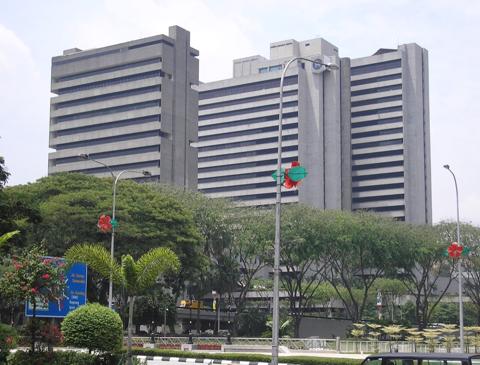
On 1 September 1998, Bank Negara Malaysia announced selective exchange controls from its Kuala Lumpur headquarters. The measures sought to insulate domestic monetary policy from the volatile capital flows and offshore ringgit trading that had intensified during the Asian financial crisis.
Malaysia had experienced a sharp currency depreciation, falling equity prices, and a deep contraction in output. Offshore markets allowed ringgit funds to move outside the country's regulatory reach, while high offshore interest rates and speculation constrained how far domestic authorities could lower borrowing costs.
The controls attacked that circuit. Transfers between external ringgit accounts required approval, trading in ringgit financial assets had to pass through authorized depository institutions, and trade settlements were to be made in foreign currency.
Current-account convertibility remained, and Bank Negara stated that direct investment and the repatriation of interest, profits, dividends, and capital would continue. The policy therefore distinguished ordinary trade and long-term investment from short-term transactions considered capable of destabilizing the currency.
On 2 September, a separate decision fixed the ringgit at 3.80 to the U.S. dollar. The sequence matters: controls were introduced first to close avenues for offshore pressure, then the peg supplied a stable external price around which domestic monetary policy could operate.
The arrangement changed the choices facing investors. Ringgit proceeds from Malaysian assets could not always be converted and removed immediately, reducing the attraction of rapid entry and exit; it also imposed costs on liquidity, price discovery, and confidence among foreign portfolio managers.
Malaysia later replaced the one-year holding restriction with an exit levy and continued revising the framework as financial conditions stabilized. The peg remained until July 2005, when the country moved to a managed float.
The episode became a durable challenge to the view that crisis economies had to preserve open capital accounts while raising interest rates and accepting currency depreciation. At Jalan Dato' Onn, Malaysia chose administrative control over selected financial flows to recover room for domestic policy, accepting restrictions on capital mobility as the price of that autonomy.
Image: “Central Bank of Malaysia headquarters, Kuala Lumpur” by User:Two hundred percent, licensed CC BY-SA 3.0, via Wikimedia Commons.


































 expand_more