Finance History | Banco Central do Brasil, 30 June 1994 — One Communiqué Put the Real into Circulation
volume_up
Listen
directions
Directions
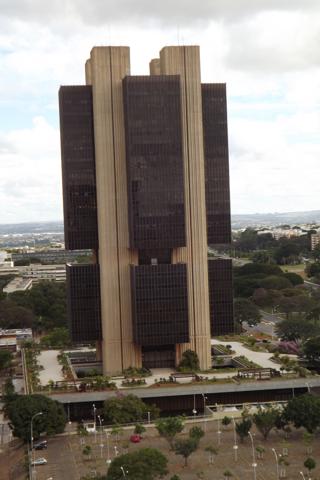
On 30 June 1994, Banco Central do Brasil issued Communiqué No. 4,011 from Brasília. It announced that a new family of real banknotes and coins would enter circulation the next day, turning the final stage of the Real Plan into money that could be used across Brazil.
The launch followed years of chronic inflation and repeated currency reforms. In the twelve months to June 1994, consumer-price inflation reached 4,922 percent. Earlier stabilization plans had relied on abrupt freezes and new names for money, only to lose credibility when prices and public finance escaped their controls.
The Real Plan used a staged transition. Fiscal measures came first. On 1 March 1994, the Unidade Real de Valor, or URV, became a unit of account whose value in cruzeiros reais was adjusted daily. Wages, contracts, and prices could be expressed in URV while payments still used the rapidly depreciating old currency.
That separation was the central innovation. Instead of freezing every price, the URV gave the economy a more stable measuring unit while the cruzeiro real remained the means of payment. Relative prices had time to align before the unit of account became cash.
On 30 June, the Central Bank fixed the final conversion at CR$2,750 for one URV. The next day, one URV became one real, and all prices were denominated in reais. The Central Bank and Casa da Moeda had designed, produced, and distributed notes and coins nationwide on a compressed schedule so banks could exchange the old money immediately.
The currency change was paired with tight monetary measures, including very high reserve requirements, and an exchange-rate framework intended to reinforce confidence. Inflation did not disappear in one day, but monthly IPCA fell from 47.43 percent in June to 6.84 percent in July and 1.86 percent in August.
The real’s durability distinguished it from Brazil’s recent monetary replacements. Stabilization exposed banks and businesses that had profited from inflation, requiring later restructuring and stronger supervision, but it restored money’s usefulness for contracts, comparison, and saving.
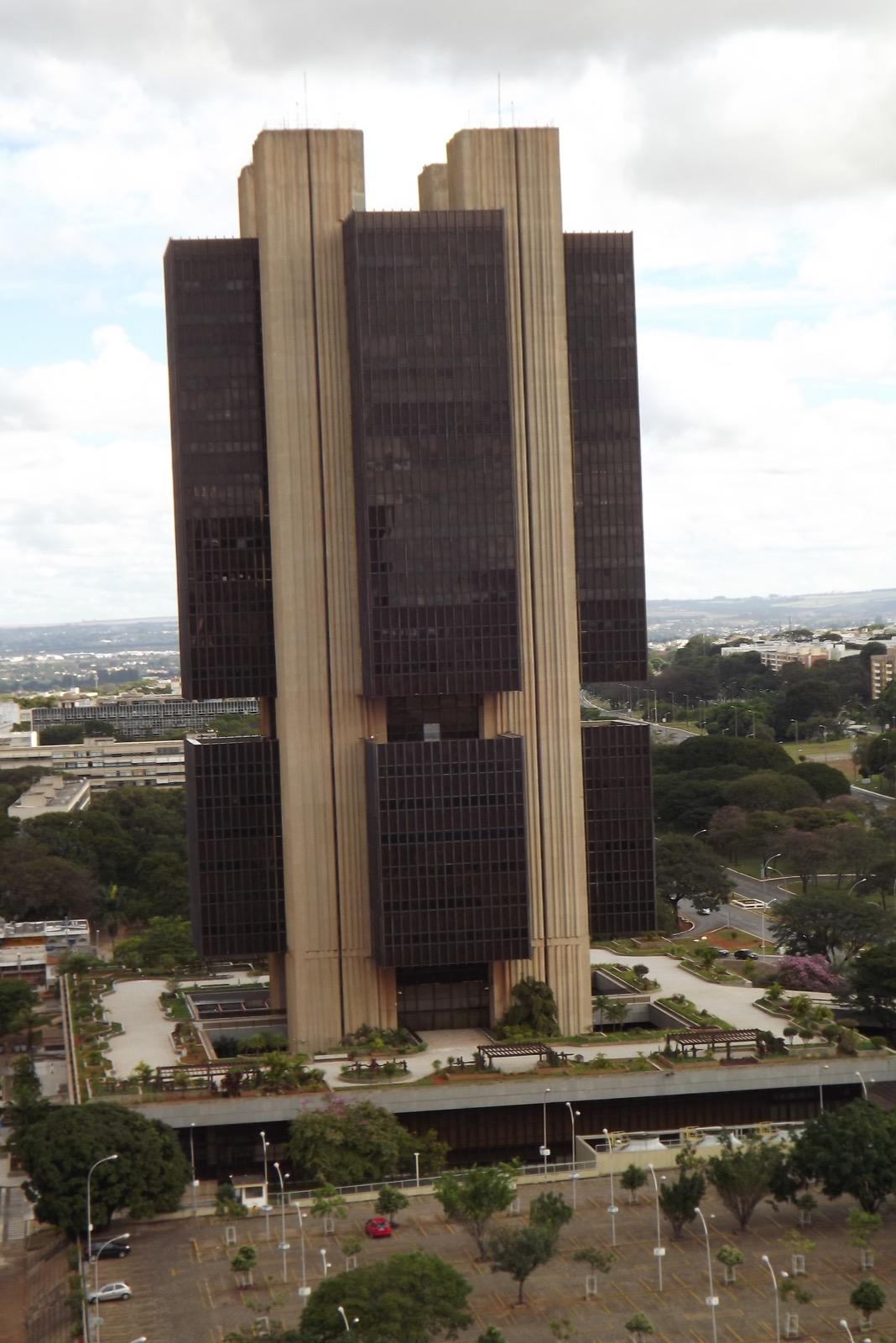
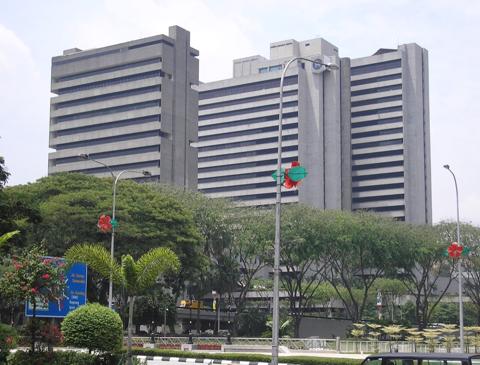
From the Central Bank headquarters in Brasília, a short communiqué completed an enormous logistical and institutional project. A virtual unit of account became the notes and coins of a new monetary regime.
Image: “BANCO CENTRAL” by marcos jose dos sant…, licensed CC BY 3.0, via Wikimedia Commons.




















 expand_more