Finance History | Swiss National Bank, Zürich, 15 January 2015 — A Currency Floor Ended Without Warning
volume_up
Listen
directions
Directions
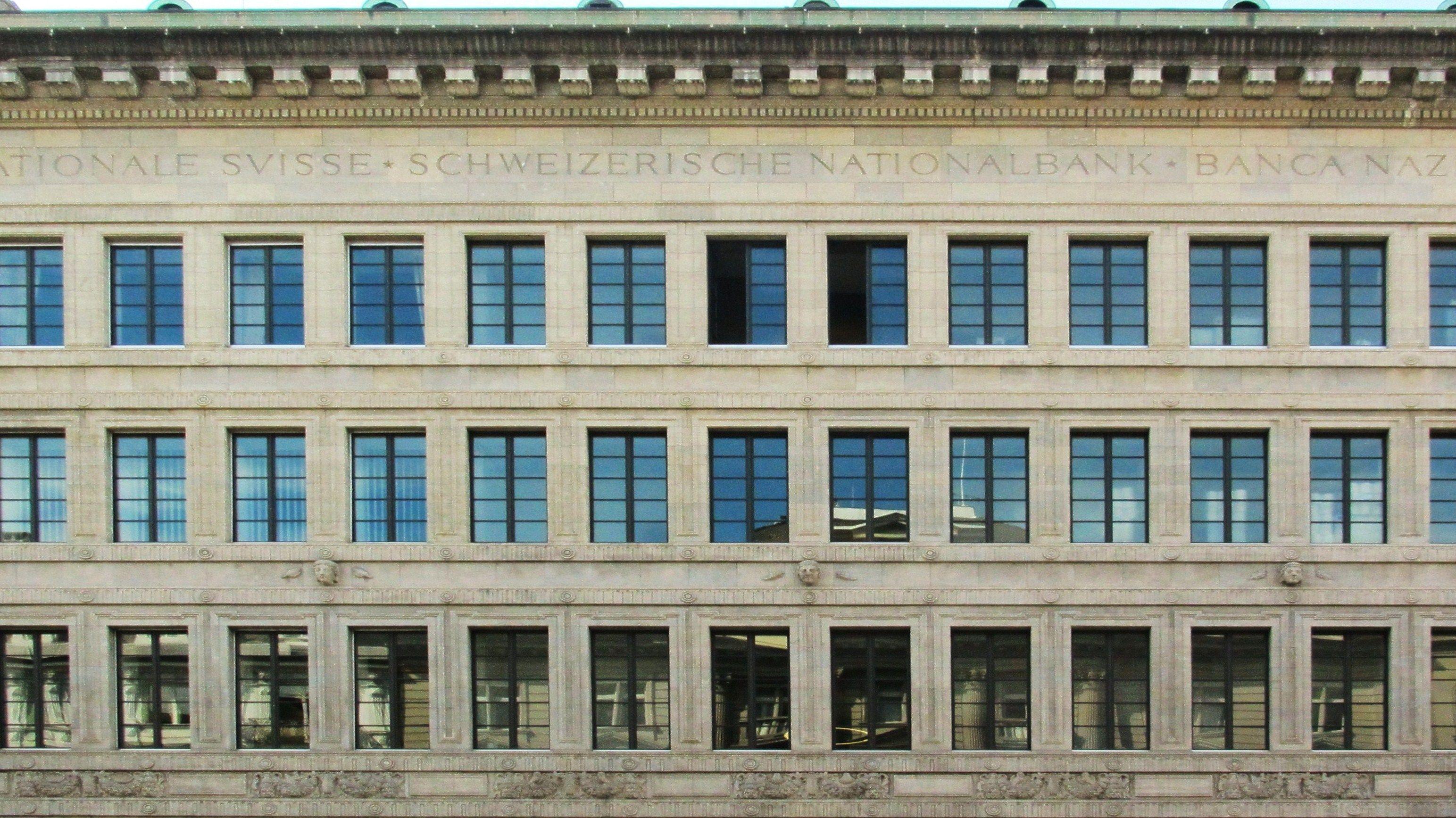
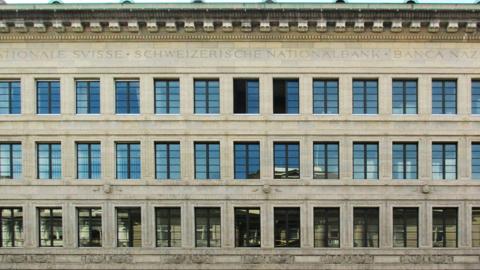
On 15 January 2015, the Swiss National Bank called a short-notice press conference at its Zurich head office and immediately ended the minimum exchange rate of 1.20 Swiss francs per euro.
The floor had been introduced in September 2011 as investors sought the franc during the euro-area crisis. The SNB promised to buy foreign currency in unlimited quantities to prevent appreciation beyond the threshold and protect the Swiss economy from an extreme tightening of monetary conditions.
By late 2014, the pressure had returned. Expectations of further European Central Bank easing weakened the euro, capital flowed toward Switzerland, and maintaining the floor required increasingly large purchases that expanded the SNB’s foreign-currency holdings and balance-sheet risk.
The decision removed the floor at once and stopped the purchases associated with enforcing it. At the same time, the SNB lowered the interest rate on sight-deposit balances above exemption thresholds to negative 0.75 percent, effective 22 January, and moved its three-month Libor target range down to between negative 1.25 and negative 0.25 percent.
Markets had been given little preparation. The franc appreciated abruptly, trading became highly volatile, and the exchange rate initially moved far beyond levels that had seemed possible while the floor was credible.
The shock reached beyond currency desks. Swiss exporters and tourism businesses faced a sudden rise in domestic-currency costs relative to foreign competitors, import prices fell, and the risk of deeper deflation increased.
The IMF later recorded that the exchange rate stabilized near 1.05 francs per euro, still substantially stronger than the abandoned floor. The SNB continued to use negative rates and retained the option of foreign-exchange intervention, but it had recovered freedom from an unlimited, publicly specified commitment.
The episode demonstrated a tension inside every exchange-rate backstop. A promise can become more powerful as markets believe it, while the balance-sheet exposure needed to defend it can become harder for the central bank to accept when outside monetary conditions diverge.
At Börsenstrasse 15, the SNB chose discretion over a fixed threshold. The price adjusted in minutes; Swiss monetary policy and the economy spent years absorbing the consequences.
The accompanying photograph is by Juerg.hug, licensed CC BY-SA 3.0 via Wikimedia Commons.

























 expand_more