Finance History | Smithsonian Institution, Washington, 18 December 1971 — Patching Bretton Woods in a Museum
volume_up
Listen
directions
Directions
The system agreed at Bretton Woods was patched, at a museum, in two days, and it lasted about fifteen months.
Richard Nixon had closed the gold window on 15 August 1971, ending the promise that foreign central banks could exchange dollars for United States gold. That promise was the last link in the chain of pegs designed in New Hampshire in 1944, and without it the dollar was a fiat currency and everybody else's exchange rate was a guess.
Allied governments had not been consulted, and most of their currencies began to float upward while officials tried to work out what came next.
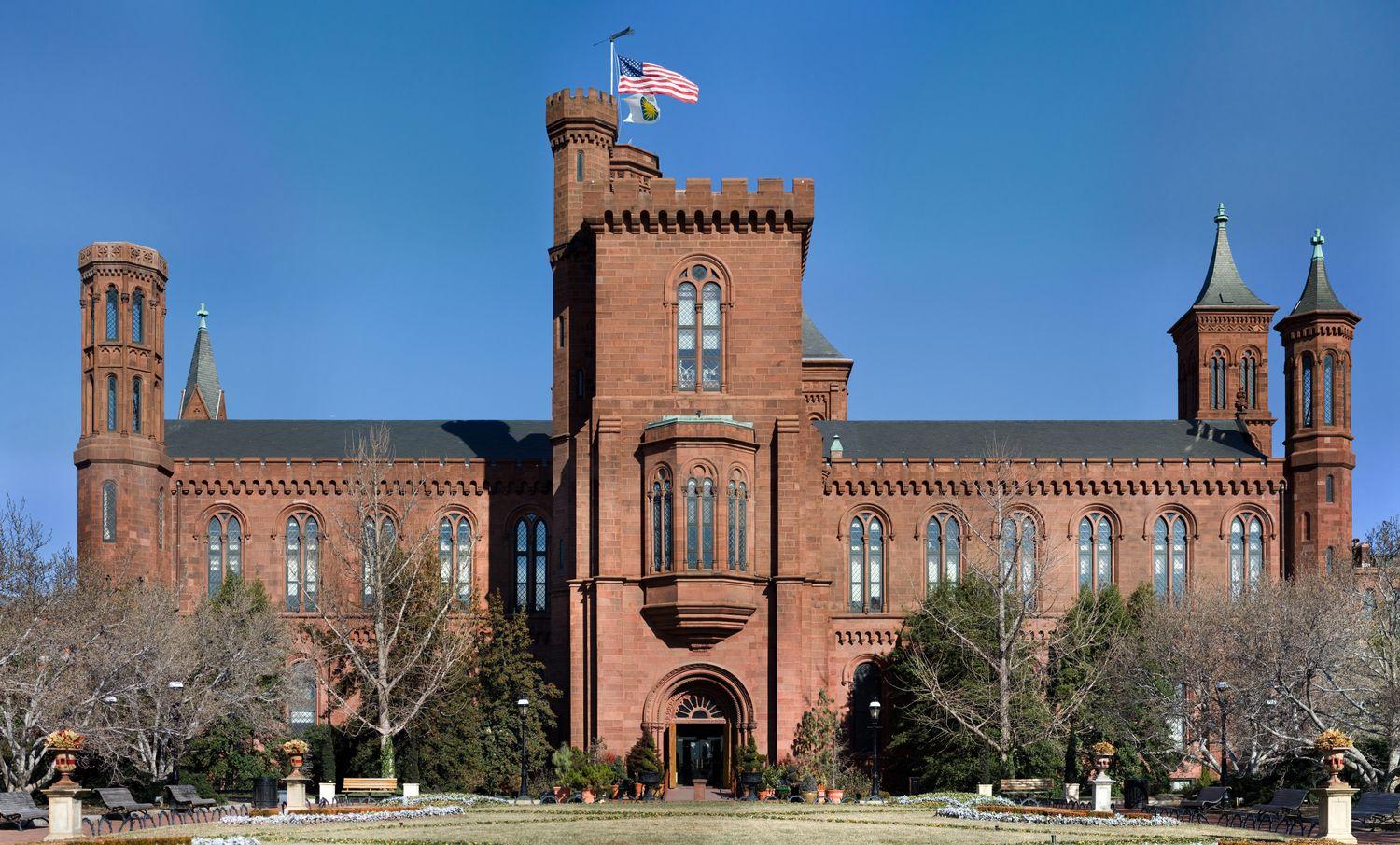
The answer, after four months of negotiation, was worked out here. At the request of John Connally, the US Treasury Secretary, the Smithsonian's Secretary Dillon Ripley made the Institution's buildings available on 17 and 18 December 1971, and the finance ministers and central bank governors of the Group of Ten met in them.
The ten were Belgium, Canada, France, Italy, Japan, the Netherlands, Sweden, West Germany, the United Kingdom and the United States.
What they agreed on 18 December was a realignment rather than a repair. The official gold price went from $35 an ounce to $38, other currencies were revalued upward against the dollar, and the band within which rates could move was widened from 1 per cent to 2.25 per cent.
The two numbers quoted for that devaluation are both correct and they measure different things. Raising gold from $35 to $38 is an 8.5 per cent increase in the price of gold; expressed as the fall in the dollar's gold value it is 7.9 per cent. Against the other major currencies the average came to about 10.7 per cent.
The mechanism had not changed, which is why it failed. Rates were still fixed, still adjustable only by negotiation, and still defended by central banks buying and selling in markets that had grown far larger than the reserves available to defend them. Nothing in the agreement obliged the United States to run policy differently.
Nixon announced it in the Arts and Industries Building next door and called it the most significant monetary agreement in the history of the world.
Speculative pressure resumed during 1972 and by March 1973 the major currencies were floating, which is the arrangement the world still has.
The Smithsonian was a fitting room for it. The Institution exists because of an international monetary transaction of its own, the bequest of the English scientist James Smithson, and its own newsletter made that observation at the time.
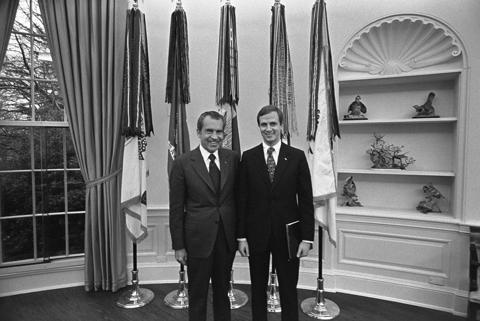
Cover photo: public domain, via Wikimedia Commons.
Coordinates 38.888795, -77.025938, resolved by Nominatim for the Smithsonian Institution Building at 1000 Jefferson Drive SW. Accurate to about 60 m. The Arts and Industries Building, where the announcement was made, is immediately to the east.





 expand_more