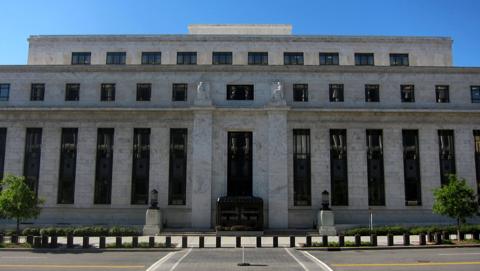
Finance History | Eccles Building, 25 November 2008 — The Fed Put the Mortgage Market on Its Balance Sheet
volume_up
Listen
directions
Directions
At 8:15 on the morning of 25 November 2008, the Federal Reserve announced from Washington that it would begin buying debt issued by housing-related government-sponsored enterprises and mortgage-backed securities guaranteed by federal housing agencies.
The initial limits were up to $100 billion of agency debt and $500 billion of agency mortgage-backed securities. The purpose was direct: lower the cost and increase the availability of home-purchase credit after spreads on agency debt and guaranteed mortgages had widened sharply.
This was a major change in the composition of the central bank balance sheet. Open-market operations had traditionally concentrated on Treasury securities, while the new program placed the Fed inside the market that financed a large share of American mortgages.
The mechanism did not depend on the central bank selecting individual home loans. By buying standardized agency securities from investors, the Fed reduced the amount of duration and mortgage-prepayment risk that private portfolios had to absorb.
Higher security prices meant lower yields, while newly created reserve balances paid the sellers. Investors receiving those liquid balances could rebalance toward other assets, spreading easier financial conditions beyond the securities purchased.
Agency-debt purchases began on 5 December 2008 and agency mortgage-backed purchases on 5 January 2009. The program was later expanded to $1.25 trillion of agency mortgage-backed securities, $200 billion of agency debt, and $300 billion of longer-term Treasury securities.
Research later found that announcement effects were important. Mortgage and agency yields fell before the bulk of purchases occurred, showing that a credible commitment about the future balance sheet could move current financial prices.
The policy also transferred interest-rate and prepayment risk to the public balance sheet and made an eventual exit more complicated. The Fed could let securities mature, reinvest principal, or sell, but each choice carried implications for market rates and expectations.
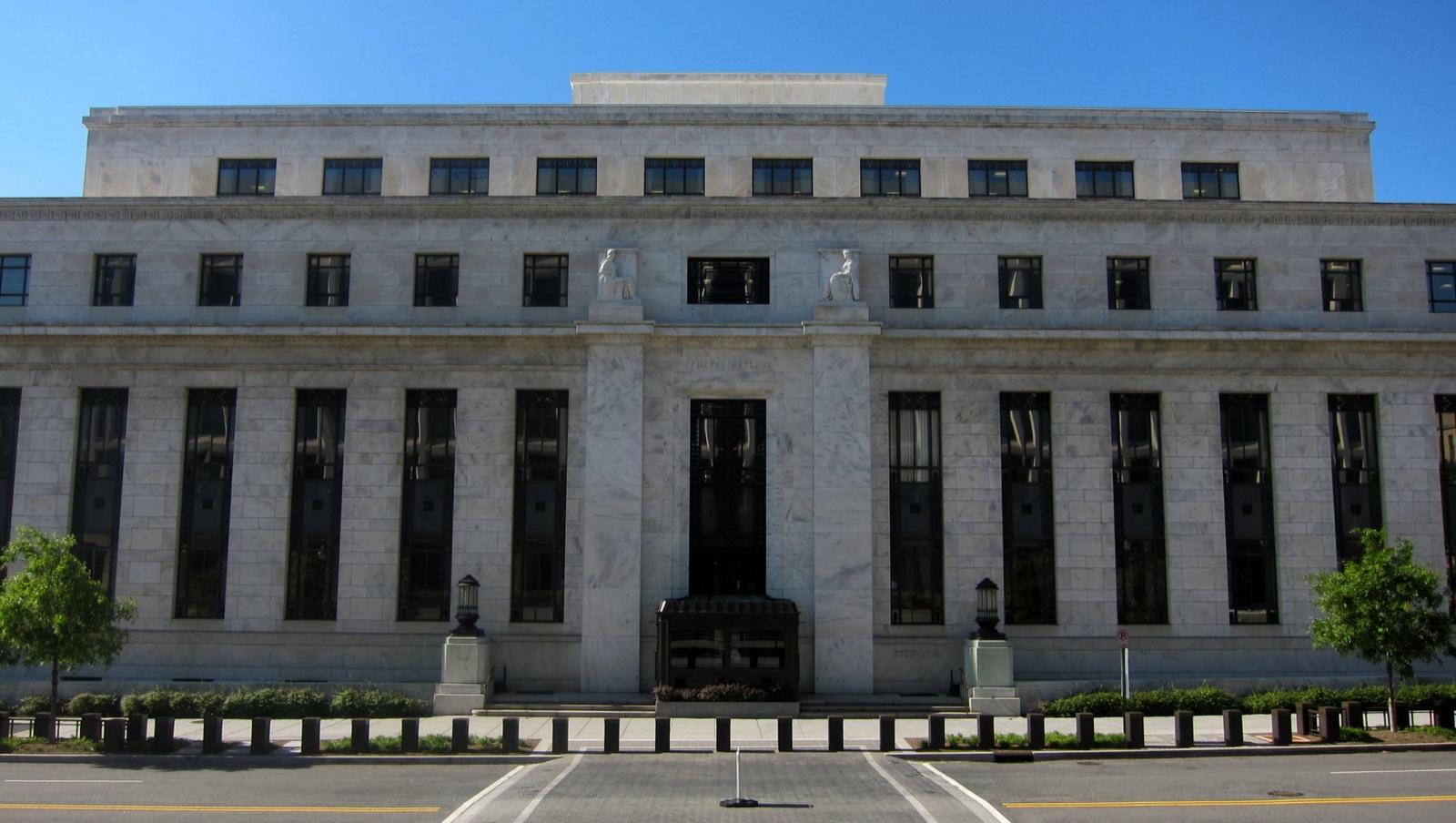
The Eccles Building thus became the administrative anchor for the first round of American large-scale asset purchases. The overnight policy rate remained important, yet the size and composition of the central bank's assets had become a separate monetary instrument.
The accompanying photograph is by AgnosticPreachersKid, licensed CC BY-SA 3.0 via Wikimedia Commons.




























 expand_more