Finance History | Central Bank of Turkey, 22 February 2001 — The Lira’s Exchange-Rate Anchor Broke
volume_up
Listen
directions
Directions
On 22 February 2001, Turkey abandoned its exchange-rate-based stabilization program and allowed the lira to float. The Central Bank and government made the decision jointly after a financial panic rendered the existing currency commitment impossible to maintain.
The program begun in 2000 had used a preannounced path for a basket of foreign currencies as an anchor against chronic inflation. Predictable exchange-rate movements were meant to shape prices and expectations, but the arrangement also encouraged borrowing in foreign currency and left the banking system exposed when confidence weakened.
Stress had already produced a liquidity crisis in November 2000. A political confrontation on 19 February 2001 then triggered renewed demand for foreign exchange before a Treasury auction. The Central Bank tried to contain that demand by restricting lira liquidity, but state banks needed large overnight funds and the payments system came under severe strain.
By 22 February, defending the exchange-rate path would have required resources and market confidence that were no longer available. Under the float, the Central Bank stopped promising a predetermined value and allowed supply and demand to set the rate.
The change was not a painless release valve. The lira depreciated sharply and traded with high volatility. Companies and banks carrying foreign-currency liabilities faced heavier local-currency debts, inflation accelerated, credit contracted, and the economy entered a deep recession.
The authorities supplied foreign-exchange liquidity to the banking system and later intervened against disorderly conditions, but without restoring a target rate. Floating removed a fixed line that speculators could test; it did not remove the balance-sheet losses created when that line broke.
The crisis also accelerated institutional reform. Amendments to the Central Bank law in April defined price stability as the primary objective, gave the Bank discretion over its instruments, prohibited direct advances to the Treasury and primary-market purchases of public debt, and created a Monetary Policy Committee. A broader restructuring program followed in May.
Turkey retained a floating regime after the emergency passed and moved toward inflation targeting. The change of 22 February therefore outlasted the emergency: it shifted the nominal anchor from a published exchange-rate path toward central-bank policy and an inflation objective.
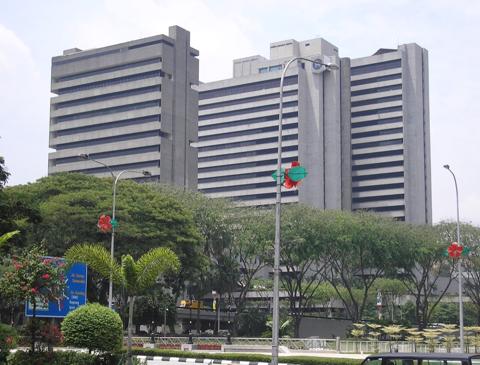
At the Bank’s Ankara headquarters, the lira’s price stopped being a daily promise. The float exposed the crisis immediately, while clearing the ground for a different monetary framework.
Image: “TC Merkez Bankası ön” by Vikiçizer, licensed CC BY-SA 3.0, via Wikimedia Commons.




































 expand_more