Finance History | Bank of England, 16 September 1992 — Sterling Left the ERM After Two Rate Rises Failed
volume_up
Listen
directions
Directions
On 16 September 1992, the Bank of England bought sterling heavily as the pound pressed against its permitted floor in the European Exchange Rate Mechanism. The intervention could not restore a price that traders increasingly judged incompatible with Britain’s economy.
The United Kingdom had joined the ERM in October 1990 at a central rate of 2.95 deutsche marks per pound. Membership required policy to defend an exchange-rate band, tying British monetary conditions closely to Germany’s even as the two economies moved in different directions.
German rates remained high after reunification, while Britain was struggling with recession, falling property prices, and weak demand. Maintaining the parity therefore required interest rates that deepened domestic pressure without convincing the currency market that the commitment would last.
On Black Wednesday, officials announced that the minimum lending rate would rise from 10 to 12 percent. They then announced a further increase to 15 percent for the following morning, yet sterling remained pinned near the ERM floor despite massive official purchases.
That evening, the government suspended sterling’s membership. The proposed 15 percent rate never took effect, and the minimum lending rate returned to 10 percent on 17 September.
The episode is often told as a contest between speculators and the state. Its broader financial lesson concerns incompatible commitments: a fixed exchange-rate promise cannot remain credible when the interest rate needed to defend it conflicts with domestic economic conditions and the market expects policy to yield.
The Treasury’s later estimate put the cost of the reserve operation at £3.3 billion. The more important consequence was a change in Britain’s monetary framework.
In October 1992, the government adopted an explicit inflation target, and the Bank began publishing a regular Inflation Report in early 1993. Five years later, operational independence and the Monetary Policy Committee placed rate decisions inside a more transparent institutional structure.
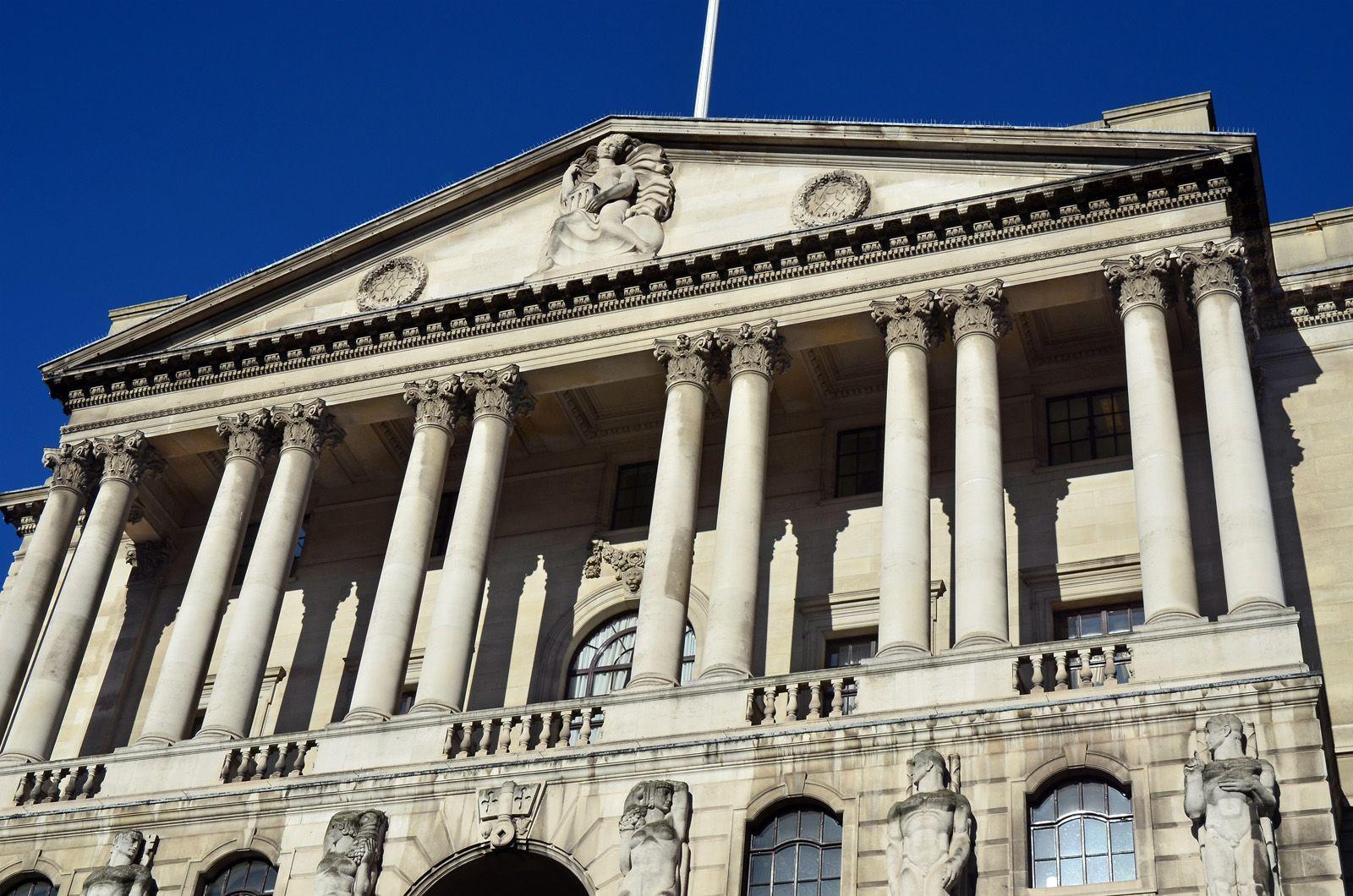
Threadneedle Street therefore marks both a failed defence and the beginning of a replacement. Britain moved from borrowing an external anchor through the exchange rate to building a domestic one around an inflation target, published analysis, and accountable rate decisions.
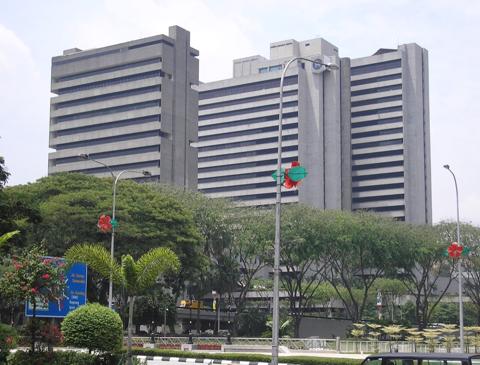
The accompanying photograph is by Images George Rex, licensed CC BY-SA 2.0 via Wikimedia Commons.

































 expand_more