Finance History | Bank of Canada, 30 September 1950 — The Canadian Dollar Left the Bretton Woods Peg
volume_up
Listen
directions
Directions
On 30 September 1950, Canada cancelled the official exchange rates for its dollar and allowed foreign-exchange markets to determine the price. The decision made Canada the only major industrial country to operate with a floating currency through most of the 1950s.
The Canadian dollar had been fixed at a discount to the U.S. dollar in September 1949, after sterling and many related currencies devalued. That setting soon came under pressure in the opposite direction. The Korean War lifted commodity prices, European recovery strengthened Canadian exports, and direct and short-term capital flowed into Canada.
Maintaining the peg required the authorities to buy incoming foreign currency and supply Canadian dollars. Those purchases expanded domestic liquidity when officials were already worried about inflation. Speculation that the Canadian dollar would be revalued attracted still more funds, making defense of the official rate part of the problem.
Finance Minister Douglas Abbott announced that the government had cancelled the official rates under the Foreign Exchange Control Act. It would not choose a new parity immediately; supply and demand for foreign currencies in Canada would set the rate instead. The Bank of Canada and the Foreign Exchange Control Board implemented the change from Ottawa.
Officials described floating as an interim measure while markets found a sustainable value. It lasted nearly twelve years. The Canadian dollar appreciated, reducing the incentive for speculative inflows and helping absorb the external boom without a one-time official revaluation.
The move was controversial because the Bretton Woods order expected members to maintain declared par values, adjusted only when necessary. Canada showed that a flexible rate could provide room for domestic monetary policy when capital flows and commodity prices made a peg costly. Exchange controls were removed in 1951 as confidence in the arrangement grew.
Canada returned to a fixed rate in 1962, then floated again in 1970. Except for that eight-year interval, the market-determined exchange rate became a lasting feature of Canadian policy.
At the Bank of Canada’s Wellington Street headquarters, the exchange rate stopped being a defended number and became a moving price. What began as a temporary escape from inflows became an influential experiment in monetary independence.
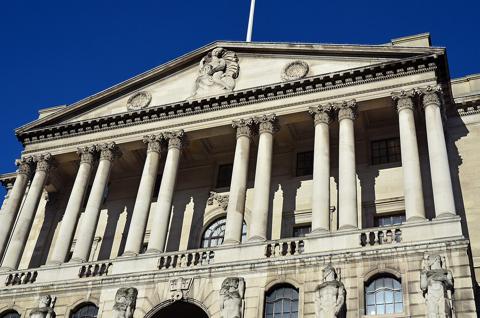
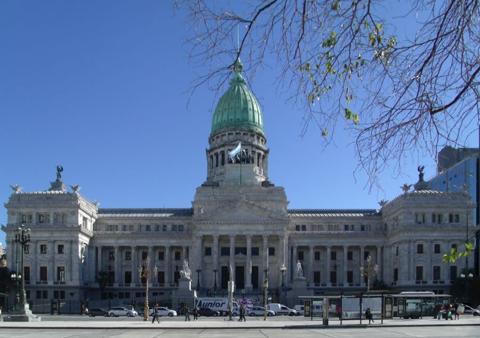
Image: “Bank of Canada Building - 01” by Jeangagnon, licensed CC BY-SA 4.0, via Wikimedia Commons.






















 expand_more