Finance History | Southern Boulevard, 10 December 1930 — A Rumor Became a Bank Run
volume_up
Listen
directions
Directions
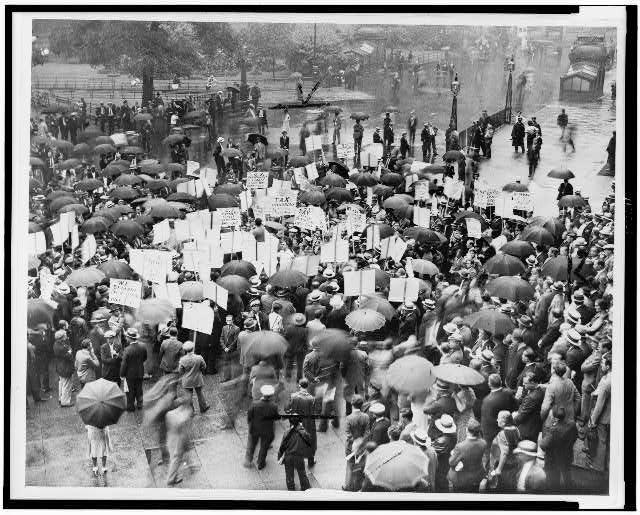
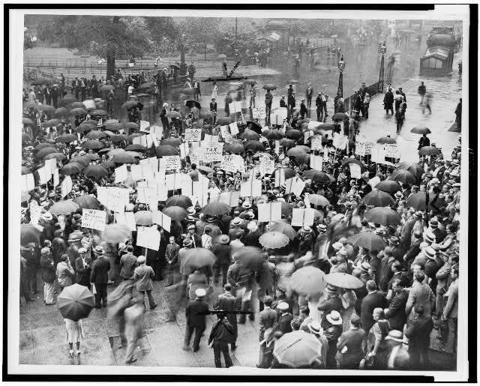
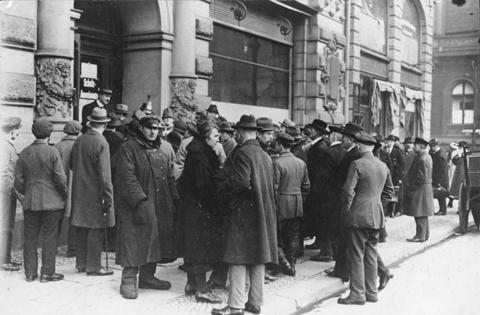
On 10 December 1930, depositors crowded the Bank of United States branch at 1254 Southern Boulevard in the Bronx. A local rumor and visible lines converted private doubt into a public run, one day before state authorities closed the bank.
Despite its official-sounding name, the Bank of United States was a private New York commercial bank with no federal guarantee. It had grown quickly through branches, mergers, real-estate lending, and affiliated companies, serving many immigrant and small-business customers.
A proposed rescue merger had recently collapsed. When a merchant seeking to sell bank shares left the Southern Boulevard branch and reportedly spread word that the bank had refused him, thousands arrived to test whether their deposits could still be paid.
The branch met withdrawals during the day, but reassurance had a paradoxical limit. Each person paid in cash demonstrated solvency to those leaving the window while reducing the liquid resources available for everyone still in line.
By 11 December, New York's superintendent of banks took possession and the institution ceased operations. With about $200 million in deposits, it was the largest bank failure in United States history to that point.
The collapse did not begin the Great Depression or even the first banking panic of 1930. Hundreds of banks had already suspended operations, especially after failures linked to Caldwell and Company spread through correspondent relationships in the South and Midwest.
What made this failure nationally destabilizing was its scale, New York location, misleading name, and large base of ordinary depositors. Headlines and photographs transformed a local run into evidence that even a very large urban bank could disappear.
There was no federal deposit insurance in 1930. Depositors became creditors of the receivership, and the delay and uncertainty of recovery made cash under a mattress seem safer than a promise from another bank.
That reaction spread the damage beyond one balance sheet. When households withdrew currency, surviving banks lost reserves and responded by shrinking loans or selling assets, reinforcing falling prices, business failures, and fear.
Southern Boulevard therefore captures the mechanics of contagion at street level. A rumor drew a line, the line supplied visible proof of danger, and rational attempts by individuals to protect savings made the banking system collectively less stable.
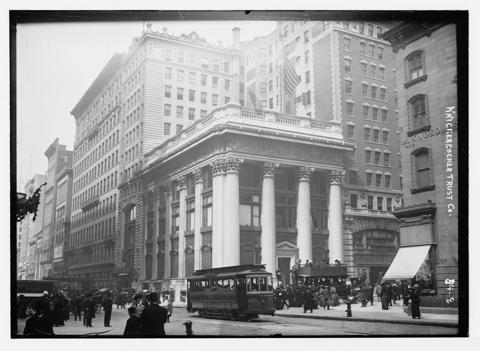
The accompanying photograph, from the New York World-Telegram and Sun collection at the Library of Congress, has no known restrictions on publication.





 expand_more