Finance History | 745 Seventh Avenue, New York, 15 September 2008 — The Firm Died in a Week and the Trading Floor Never Stopped
volume_up
Listen
directions
Directions
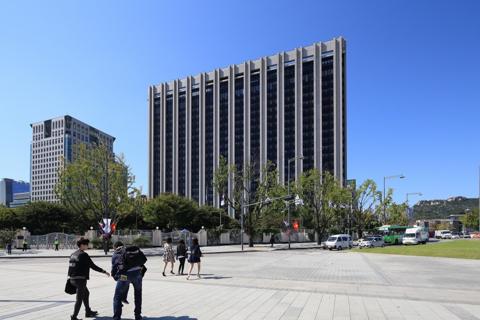
Lehman Brothers only owned this tower because of the September before last but one.
The firm's global headquarters had been Three World Financial Center. Falling debris on 11 September 2001 made it unusable, over six thousand staff were displaced, and one employee was killed. Trading moved to New Jersey, where a floor was improvised in a hotel and running inside two days.
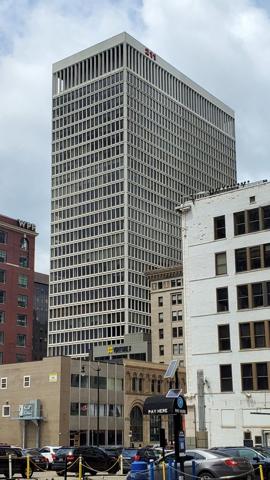
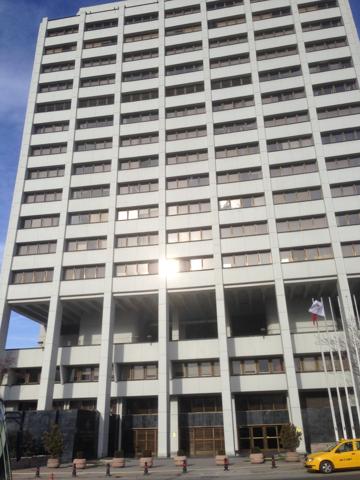
In October 2001 Lehman bought 745 Seventh Avenue, thirty-two storeys and about a million square feet, for a reported $700 million. Morgan Stanley had just finished it and had not moved in.
Seven years later the firm filed for Chapter 11 in the Southern District of New York at a quarter to two in the morning on 15 September 2008.
The schedules listed about $639 billion in assets. The debt figure is given as $613 billion by some sources and $619 billion by others, and both circulate widely enough that a round number is safer than a precise one.
Either way it was the largest bankruptcy filing in United States history by a wide margin. The Dow fell 504 points that day.
What did not happen is as important as what did. There was no rescue, and the reason given was moral hazard: guaranteeing a buyer would have signalled that the state stood behind every large firm's losses.
Barclays had wanted the whole thing that weekend and could not have it, because a UK-listed company needed a shareholder vote and the Chancellor of the Exchequer declined to waive the requirement.
Then comes the part that makes this address worth standing in front of. On 22 September, a week after the filing, Barclays bought Lehman's North American broker-dealer out of bankruptcy for $1.35 billion, and about nine thousand employees, their accounts and their open positions moved over a single weekend without leaving the building.
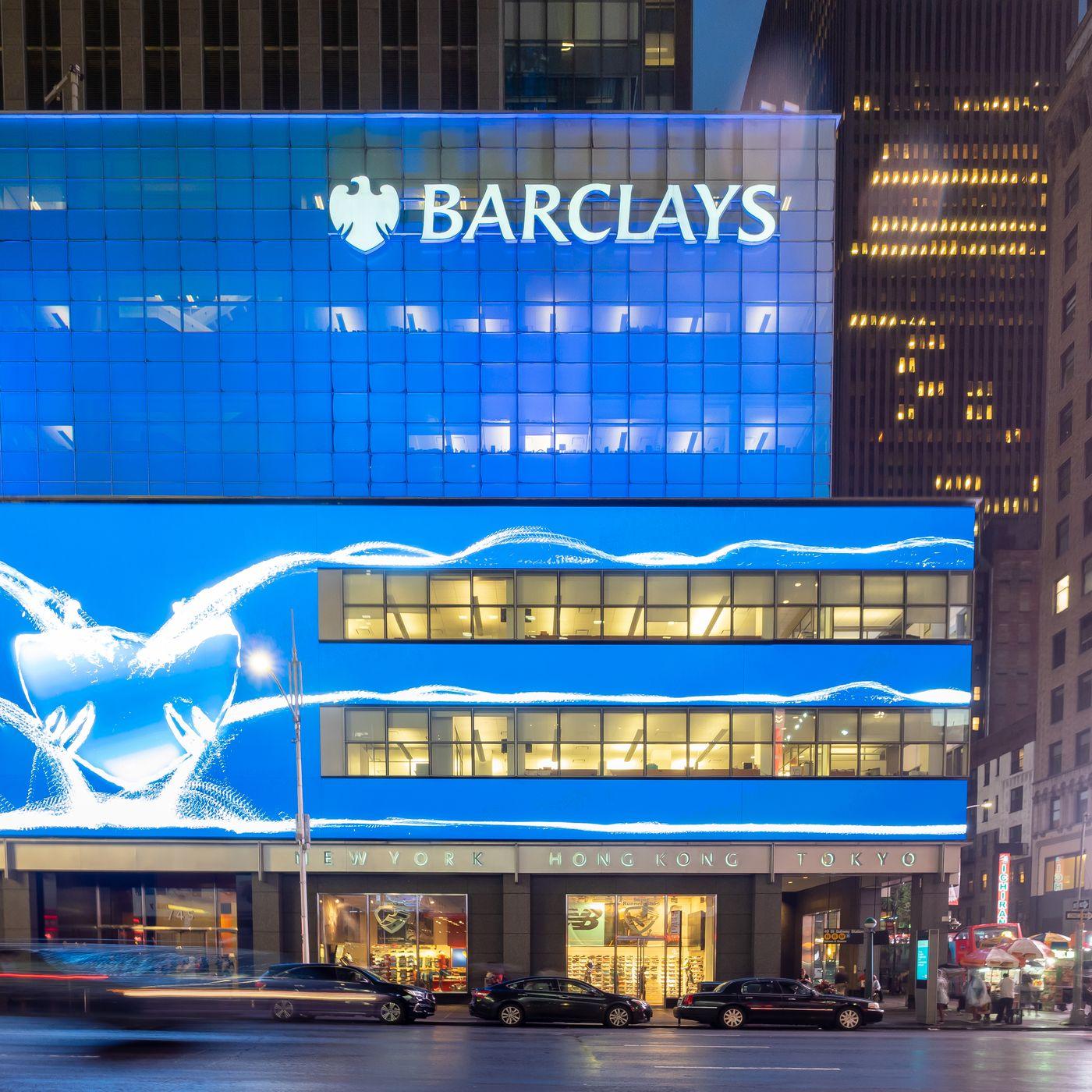
Richard Fuld left his office here for the last time on 21 September. The Barclays name went up on the same glass that had carried the Lehman name since 1994, and the tower is Barclays' New York headquarters today.
The institution was gone in a week. The trading floor never stopped.
That is a pattern this collection keeps running into. Antwerp's exchange outlived the trade that built it, Berlage's outlived the market it was designed for, and the Tontine outlived the brokers who financed it with a bet on their own children's lives. Buildings are more durable than the firms inside them, which is inconvenient for anyone who thinks a bank is a place.
One number for scale: roughly 900,000 derivatives contracts sat outside the bankruptcy court's supervision. The examiner's report into what happened ran to 2,209 pages and took eighteen months.
The firm began as Henry Lehman's dry-goods store in Montgomery, Alabama, in 1844 and took the Lehman Brothers name in 1850, which is why both 164 and 158 years are quoted for its age.
Cover photo: Ajay Suresh, CC BY 2.0, via Wikimedia Commons, showing the building under Barclays.
Coordinates 40.760600, -73.983553, from Commons geotags by three independent photographers clustering on the Seventh Avenue frontage. Accurate to about 40 m.




 expand_more