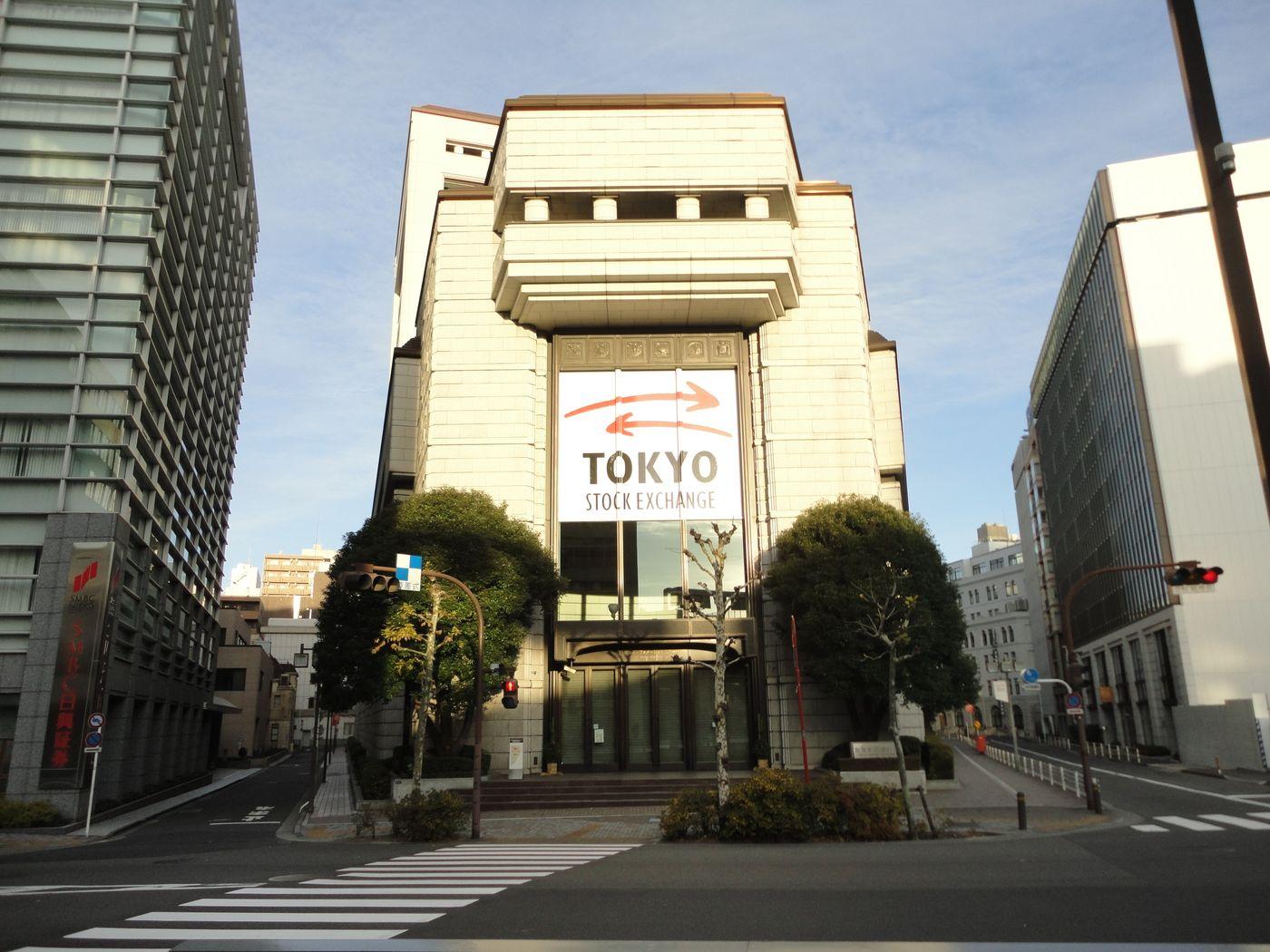
Finance History | 東京証券取引所 Tokyo Stock Exchange, Kabutochō, 29 December 1989 — The Peak Came With the Brakes Already On
volume_up
Listen
directions
Directions
The Nikkei 225 closed at 38,915.87 on 29 December 1989, the last trading day of the year. No close beat it for the next thirty-four years.
The index is compiled by the Nihon Keizai Shimbun from shares traded in this building, which is why the record belongs to Kabutochō even though the number carries a newspaper's name.
Four days before the peak, the brakes went on.
Yasushi Mieno had taken over as governor of the Bank of Japan on 17 December, and on 25 December he raised the official discount rate from 3.75 to 4.25 percent, the fourth step in a tightening cycle begun the previous May, with a clear signal that more would follow.
That ordering is the part most retellings lose. The market did not top out because money was still cheap; it reached its high with the tightening already eight months old and the new governor openly hostile to it.
A word about the most repeated statistic of the era. The claim that the Imperial Palace grounds were worth more than the whole of California was an extrapolation, taking the highest per-square-metre prices recorded in central Tokyo and applying them to roughly 1.15 square kilometres of palace land.
The ground was never for sale, so no transaction ever tested the figure. It was arithmetic performed on comparables, not a price.
What followed is easier to state. The discount rate reached 6.0 percent by August 1990, the Ministry of Finance capped bank lending to property in March of that year, and the index was near 20,000 by October.
Japanese banks eventually wrote off something like 100 trillion yen of bad debt, and the Nikkei bottomed at 7,054.98 in March 2009.
Here is the thing worth carrying away from the number. An index level is not a stock of wealth, it is the price of collateral, and the write-offs of the following two decades were the measurement of what had actually been standing behind it.
The record finally fell on 22 February 2024, when the Nikkei closed at 39,098.68, thirty-four years and two months after this afternoon.
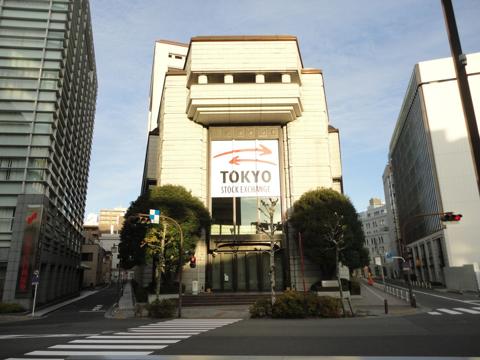
Kabutochō has been Tokyo's financial quarter since the nineteenth century, and the exchange still occupies the same address. It operates a public gallery, though anyone travelling for it should check current arrangements first.
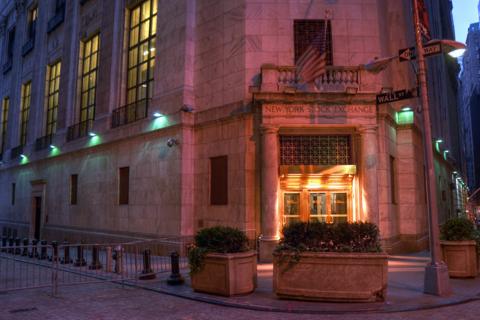
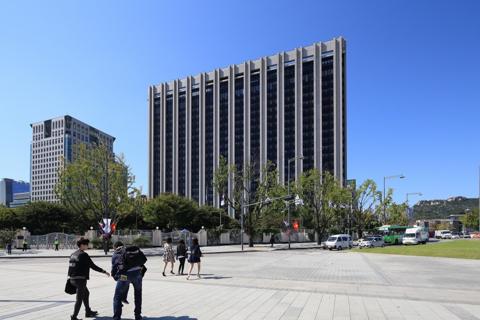
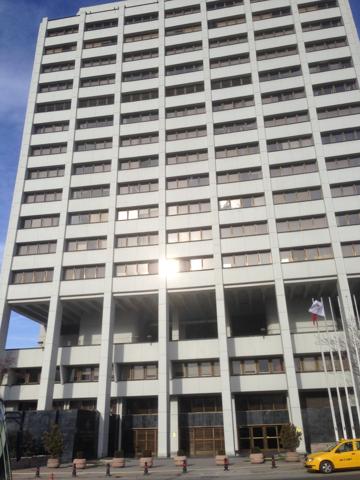
The photograph shows the main building with the arrows mark it adopted long after 1989. The trading that set the record happened on a physical floor, which the exchange no longer has.
Photo: kanesue, CC BY 3.0, via Wikimedia Commons.



 expand_more