Finance History | Bank of Thailand, Samsen Road, Bangkok, 2 July 1997 — The Reserves Were Already Spoken For
volume_up
Listen
directions
Directions
The Bank of Thailand's published reserves looked adequate almost until the day the baht broke. The money had already been promised away.
Thailand had pegged the baht at about 25 to the dollar and had grown fast on foreign borrowing. By 1996 the current account deficit had reached around 8 per cent of output, Bangkok's property market was visibly overbuilt, and finance companies were reporting losses on property loans.
Speculators began testing the peg in early 1997, and the central bank defended it.
The defence ran largely through the forward market, where the bank sold dollars for future delivery rather than spending them on the spot. That kept the headline reserve figure looking respectable while committing the reserves behind it.
By the time it stopped, the Bank of Thailand's own account of the crisis puts what was actually left at 2,850 million US dollars, against 38,700 million in 1996.
On 2 July 1997 the bank announced that the fixed exchange rate system was abandoned and the baht would float. Thailand requested assistance from the International Monetary Fund the same day, and signed the loan conditions on 14 August.
The baht fell about 20 per cent within the month and reached roughly 56 to the dollar by January 1998, having lost more than half its value.
That is the same failure as the Amsterdam Wisselbank, two centuries and eight thousand kilometres apart. An institution whose credibility rested on holding a reserve was found not to be holding it, and the discovery, not the shortfall, was what broke the currency.
The contagion was fast. The Philippines floated the peso on 12 July, Malaysia abandoned its peg on 14 July, Indonesia floated the rupiah on 14 August, and South Korea followed in October, the won losing more than half its value by late December.
Measured from July 1997 to January 1998 the baht was down 56 per cent, the ringgit 46, the peso 41 and the rupiah 81.
Thailand closed 58 financial institutions on 13 October 1997 and set up bodies to take on their bad loans. Non-performing loans in the system peaked near 47 per cent. External debt stood at about 109 billion US dollars, roughly two thirds of it short-term.
Thailand calls it วิกฤตต้มยำกุ้ง, the Tom Yum Kung crisis, after the soup.
Estimates of what the defence cost before the float vary between about 23 and 33 billion dollars depending on what is counted and over what period, which is why the figure from the central bank's own record is used above.
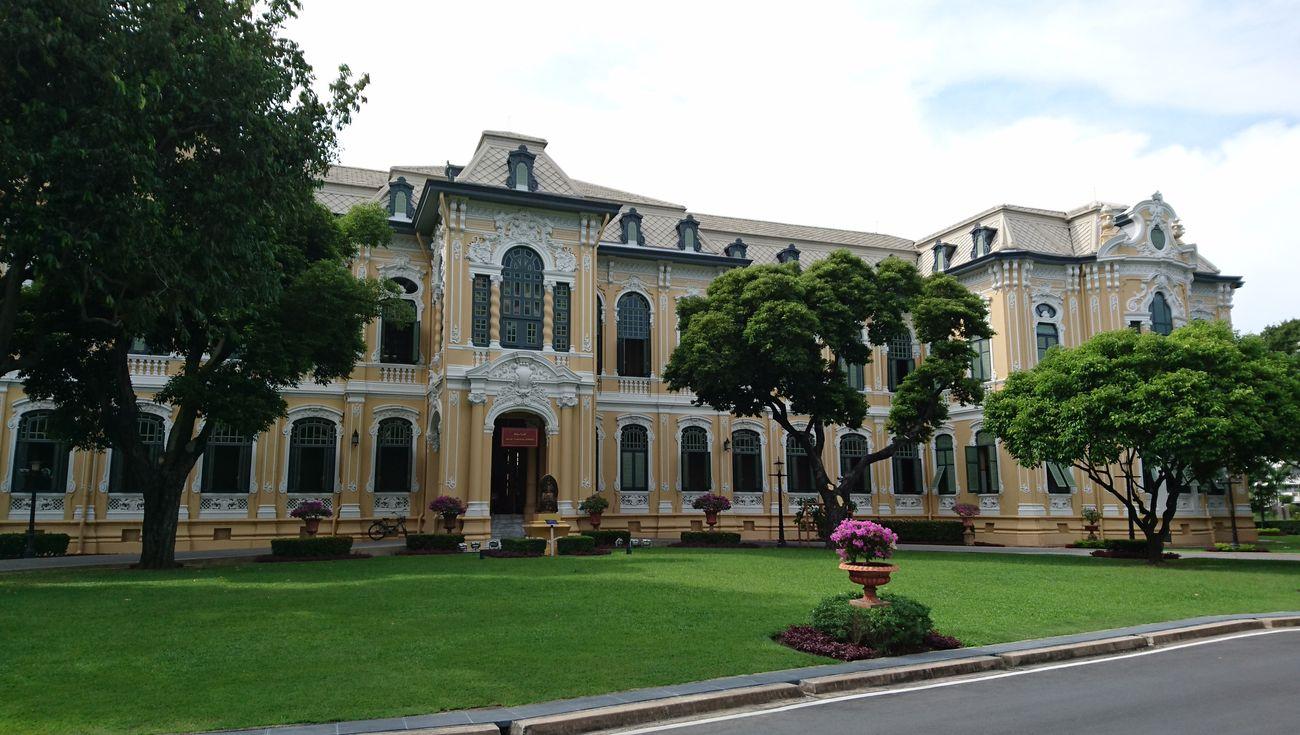
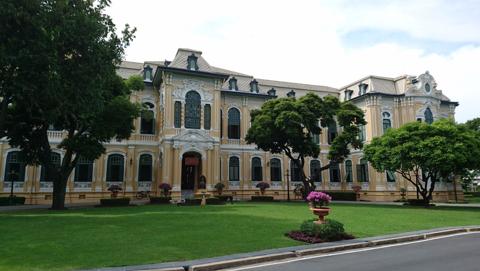
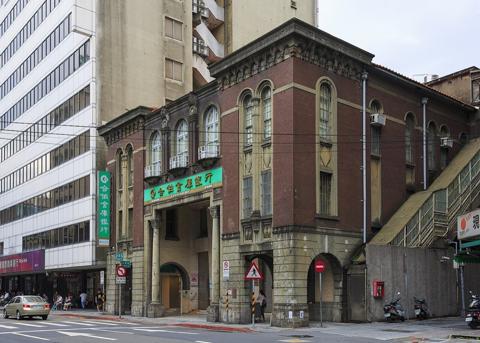
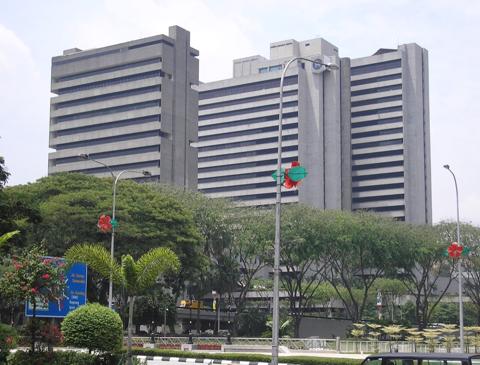
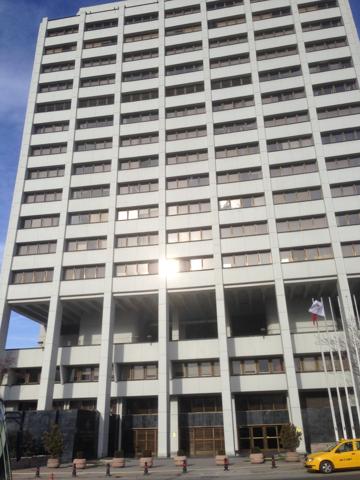
The Bank of Thailand occupies the grounds of Bang Khun Phrom Palace on Samsen Road. The palace itself, built for a prince in the 1900s, now houses the bank's museum; the decisions of 1997 were taken in the modern offices on the same compound.
Cover photo: Paul_012, CC BY-SA 3.0, via Wikimedia Commons, showing the palace rather than the office building.
Coordinates 13.768615, 100.500450, resolved by Nominatim for ธนาคารแห่งประเทศไทย and corroborated by the bank's own bus stop 190 m east on Samsen Road. Accurate to about 40 m.








 expand_more