Finance History | Federal Reserve Bank of New York, 33 Liberty Street, 23 September 1998 — The Fed Supplied the Room and None of the Money
volume_up
Listen
directions
Directions
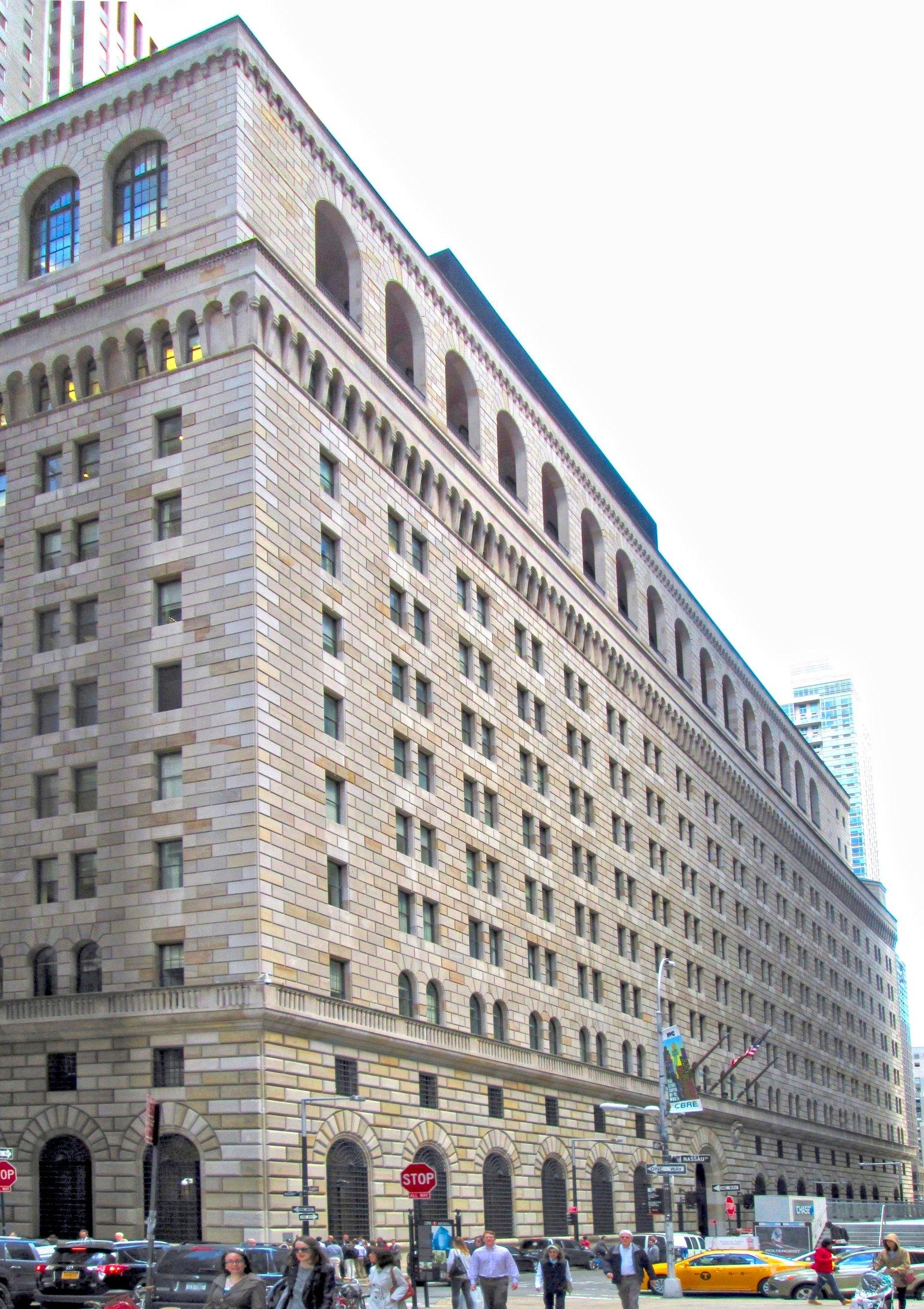
Fourteen firms committed $3.625 billion of their own capital inside this building on the evening of 23 September 1998. The Federal Reserve committed none.
Long-Term Capital Management was a hedge fund in Greenwich, Connecticut, founded in February 1994 by John Meriwether, formerly vice chairman of Salomon Brothers. It returned about 20 percent in 1994 and roughly 40 percent in each of the two years after that, net of fees.
Those returns came from tiny price gaps, which is why the fund borrowed so heavily against them.
At the end of 1997 it handed about $2.7 billion back to its investors without cutting its positions, which raised its leverage instead of lowering it. Its balance sheet on 31 August 1998 held over $125 billion of assets against a capital base that had started the year at $4.8 billion.
Russia's devaluation and debt moratorium on 17 August set off a worldwide flight to quality, and the spreads the fund had bet would narrow widened instead. It lost 44 percent of its value in August alone.
By 21 September its prime broker was demanding collateral against settlement exposures, and a default was possible within days.
The New York Fed's worry was the queue behind the fund. LTCM had repo positions with roughly seventy-five counterparties and derivatives contracts with about fifty more, all of whom would have closed out and replaced positions at once, in a market that had nearly stopped absorbing risk.
Its own estimate, shared with the firms in the room, put the aggregate loss to its top seventeen counterparties at $3 billion to $5 billion in 1998 dollars.
On 22 September the New York Fed brought in three of the most exposed firms, then a fourth, then thirteen more that evening. They could not agree on who should pay what.
The next morning an investor group led by Warren Buffett offered $250 million for the partners' stakes plus $3.75 billion of new capital, and the consortium talks stopped while that was weighed. That offer lapsed at a 12:30 deadline over reported legal problems.
Agreement came at about six in the evening. The consortium took 90 percent of the fund and operational control, while the partners kept ten percent, ran the wind-down on limited salaries and no bonuses, and reported to a committee of their new owners.
One distinction here is easy to lose. The Fed convened, inspected and pressed, and it lent nothing, so the firms that had supplied the leverage paid to unwind it.
Positions were sold down over the following year, and the consortium had its money back by the end of 1999.
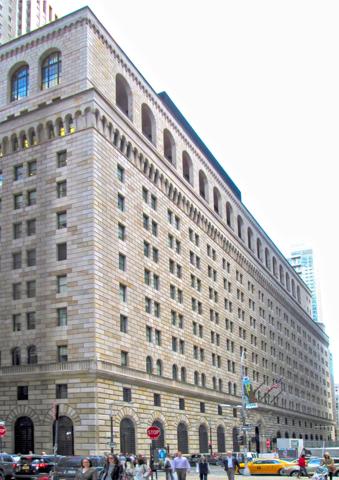
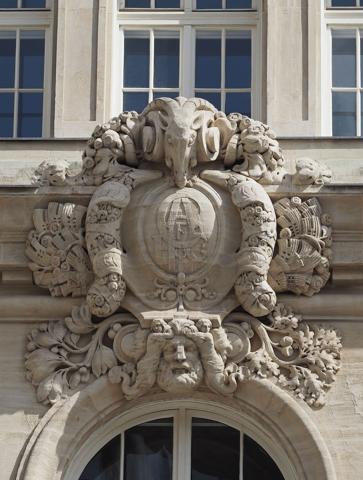
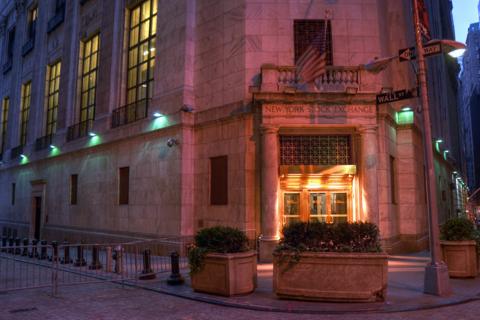
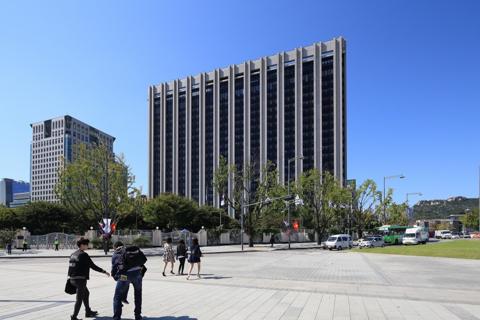
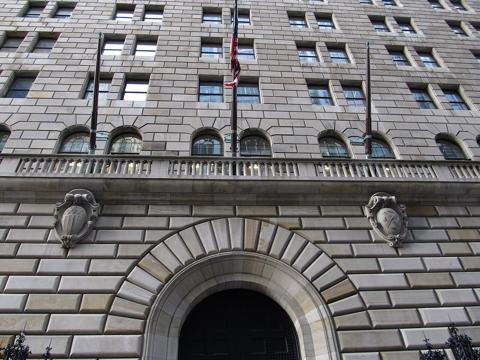
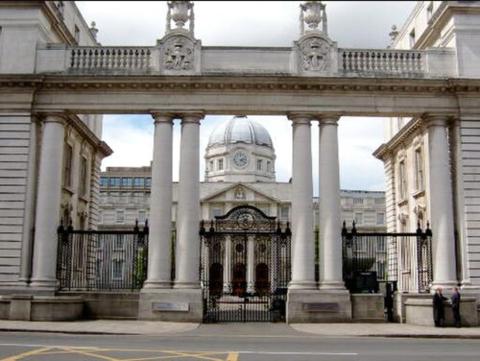
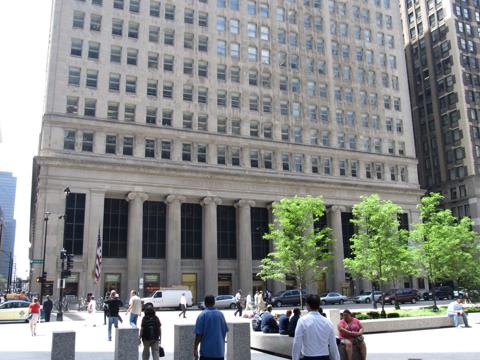
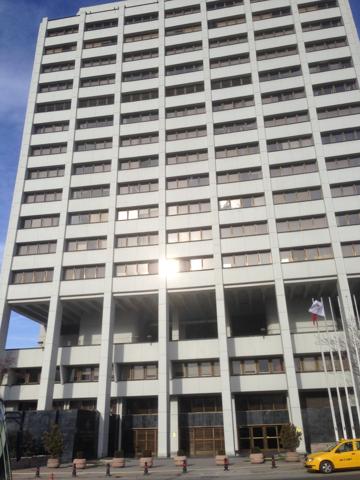
The bank occupies the block between Liberty, Nassau, William and Maiden Lane, and the Liberty Street front is the view from public pavement. This is a working central bank rather than an open building.
Photo: Beyond My Ken, CC BY-SA 4.0, via Wikimedia Commons.



 expand_more