Finance History | Creditanstalt, Freyung 8, Vienna, 11 May 1931 — The Rescue Announcement That Started the Run
volume_up
Listen
directions
Directions
On Monday 11 May 1931 the Creditanstalt disclosed a loss of 140 million schillings on its 1930 accounts, about 85 percent of its equity. In the same announcement came the remedy: the Austrian government, the National Bank and the Vienna house of Rothschild would put in 150 to 160 million schillings.
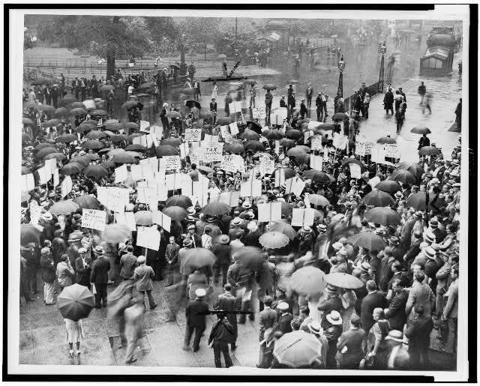
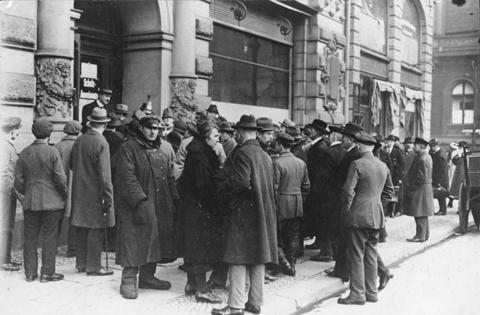
The run started that day.
Sequence explains it. The bank had told the government and the National Bank privately on Friday 8 May, and Austrian law required an institution that had lost half its capital to file its balance sheet and stop.
So the loss could not be admitted without a rescue attached, and the rescue could not be arranged without the loss becoming public.
Depositors read the size of the cure as the measure of the disease. That is the trap in every pre-announced bank rescue, and Vienna is where it is easiest to see.
Founded in 1855 by a group led by Anselm von Rothschild and modelled on the French Crédit Mobilier, the Creditanstalt had become the largest bank in Austria, holding stakes across the country's industry and counting some 130 domestic and foreign banks among its creditors.
More than half its shares were held abroad.
Its structure carried the fault. Long loans to industrial companies in Austria and the successor states were funded by short-term borrowing from London and New York, an arrangement that worked precisely as long as the short-term lenders kept rolling over.
The hole itself was inherited. In 1929 the Creditanstalt absorbed the Boden-Credit-Anstalt, a bank whose accumulated losses already exceeded its own capital, and the write-downs were postponed rather than taken.
Runs spread through Austria, then Germany that summer, and Britain left the gold standard in September.
How directly Vienna caused Berlin is disputed among historians, and the honest version is that much of the German withdrawal in June and July came from German depositors rather than foreign ones. The sequence is certain; the causation is argued.
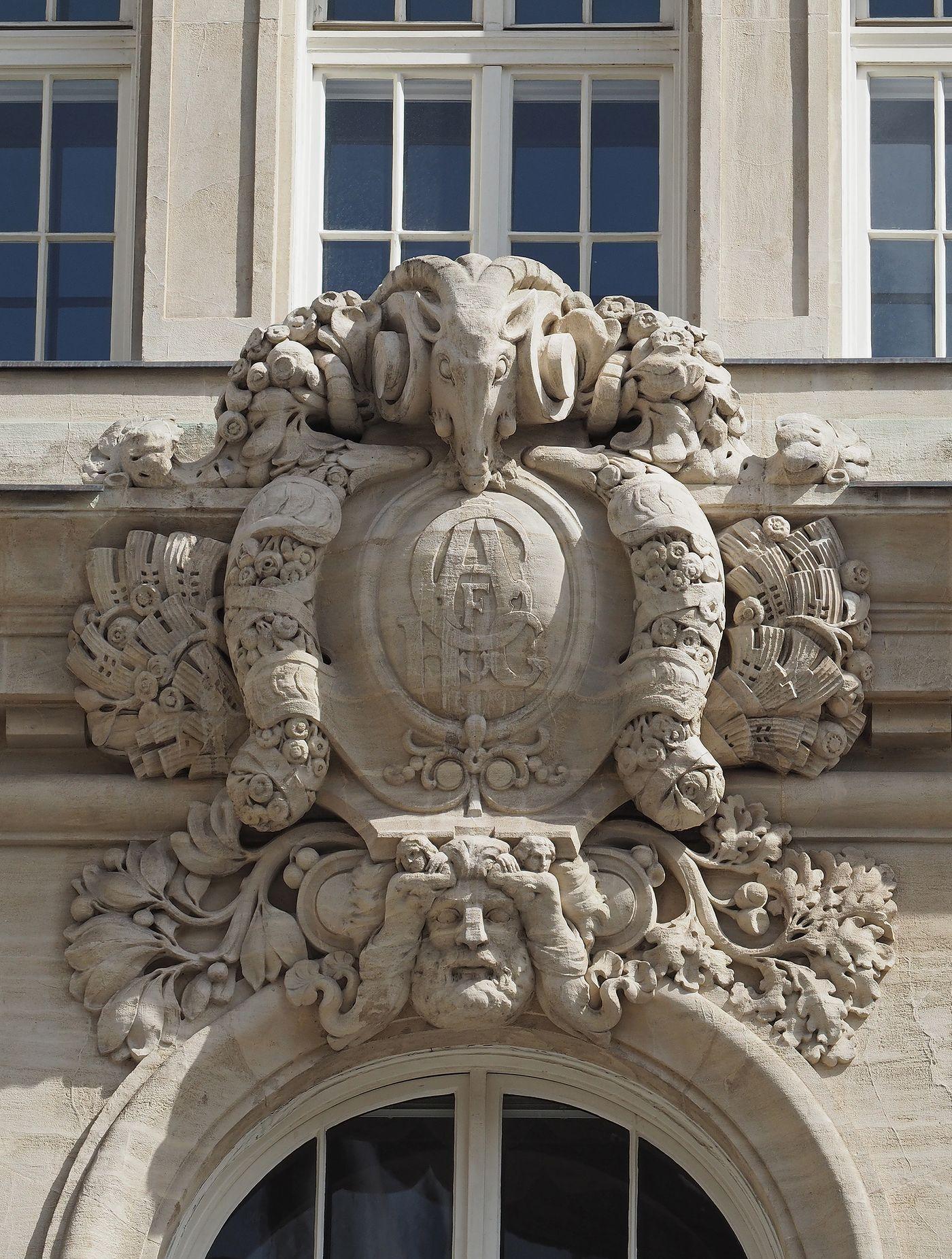
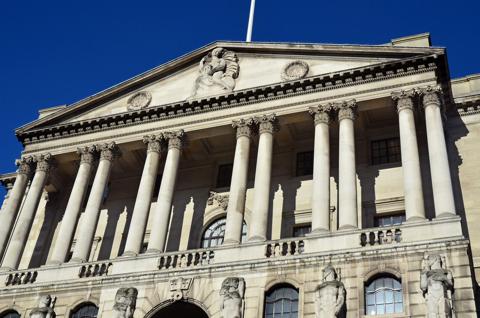
A word on the building, because the wrong one is usually pictured. The Creditanstalt sat at Am Hof 6 from 1860, and photographs of that palace circulate as the bank's headquarters, but it bought the Freyung site in 1914 and built this house between 1914 and 1921. MCMXXI is carved on the façade. It moved on to the Schottengasse in 1934.
So this is the address the bank failed at, and it belongs to the Constitutional Court of Austria now.
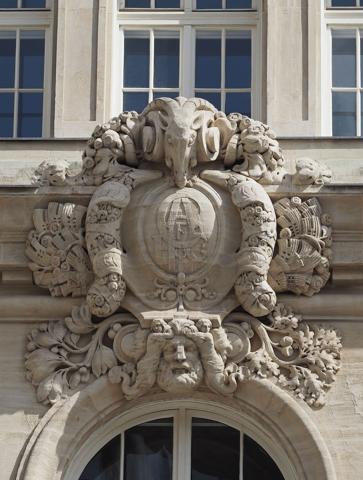
The carved monogram is still above a window on Freyung: C.A.F.H.U.G., for Credit-Anstalt für Handel und Gewerbe, under a ram's head and sheaves of the trade it was founded to finance.
Photo: Eva Maria Mandl, CC BY-SA 4.0, via Wikimedia Commons.










 expand_more