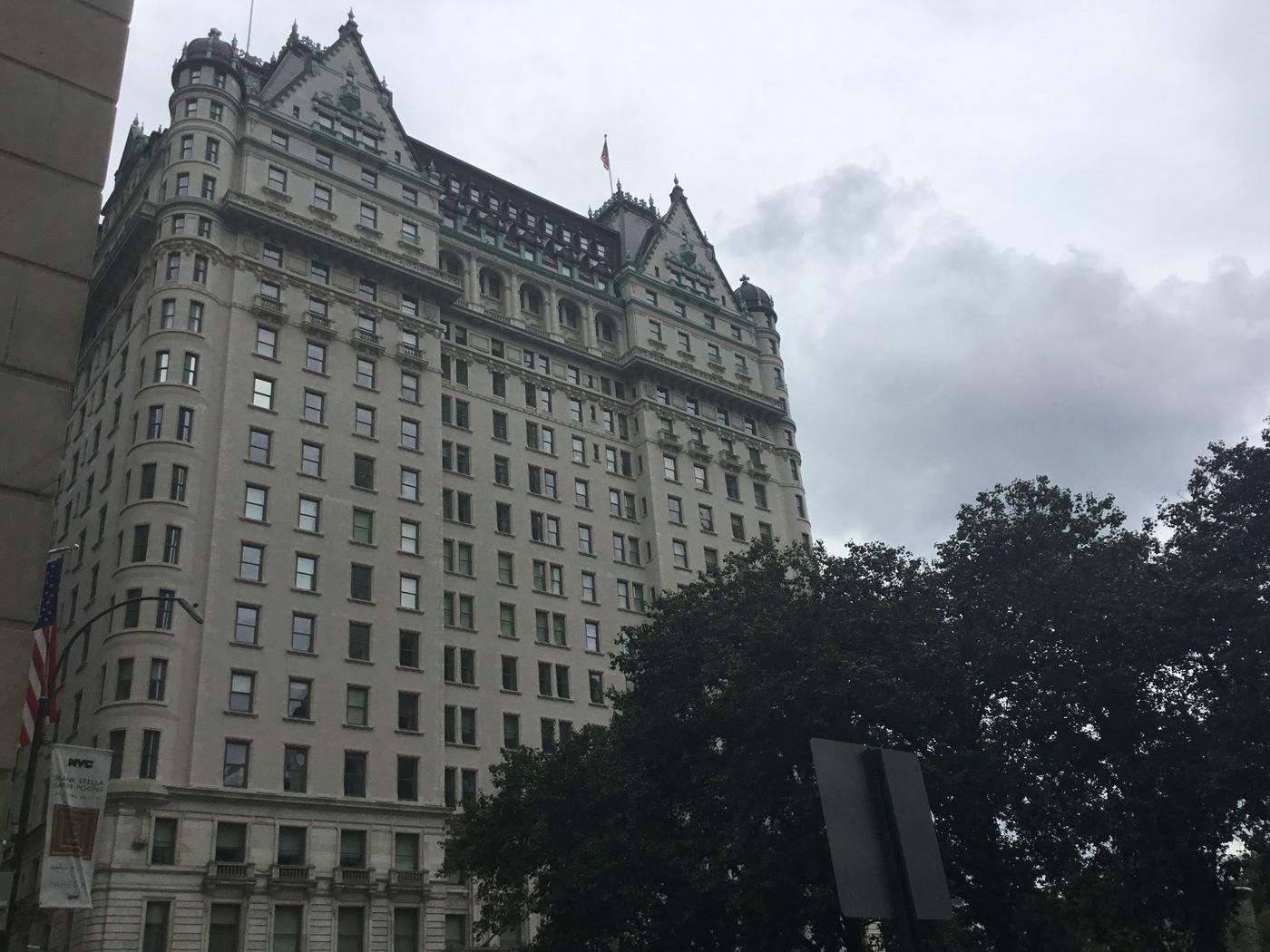
Finance History | The Plaza Hotel, Fifth Avenue, New York, 22 September 1985 — The Announcement Moved More Than the Money Did
volume_up
Listen
directions
Directions
Five finance ministers and five central bank governors met in this hotel on Sunday 22 September 1985 and agreed to talk their own currencies into moving.
James Baker for the United States, Noboru Takeshita for Japan, Gerhard Stoltenberg for West Germany, Pierre Bérégovoy for France and Nigel Lawson for the United Kingdom put their names to a statement saying that "some further orderly appreciation of the non-dollar currencies is desirable."
The dollar fell about four percent the next day.
What makes the Plaza Accord worth a pin is how little intervention it actually took. The ministers had negotiated in advance how much ammunition each country would supply for buying and selling in the currency markets, and by Baker's own later account only a modest share of that war chest was ever spent.
The announcement did the work. A closed meeting kept secret until it was over turned out to move prices further than the reserves behind it.
Now the correction, because this one is nearly universal. The dollar did not turn at the Plaza.
It peaked in February 1985, seven months before anyone checked into this hotel, after climbing for most of five years. The Fed's index against the major currencies had risen roughly seventeen percent in the twelve months to that February peak alone, and the retreat was already under way by September.
The accord took an orderly decline and made it a rout, which is a real achievement and a different claim from the one usually made for it.
By the end of 1987 the dollar had fallen by more than half against both the yen and the D-mark from that February 1985 high.
The ministers reconvened at the Louvre in February 1987 to agree that it had gone far enough and to try to stop it, which is why the two accords should always be read as one policy rather than two.
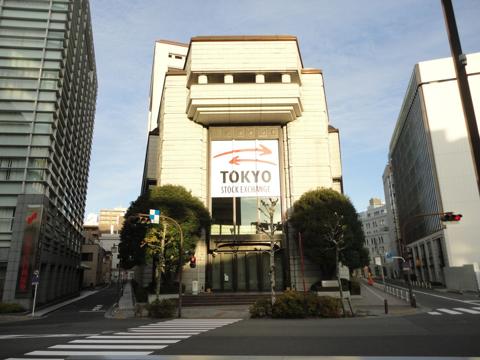
Japan is where the consequences ran longest. A yen that strong squeezed exporters, the Bank of Japan cut rates into the slowdown, and the money went into land and shares rather than factories.
Whether the Plaza Accord therefore caused the Japanese bubble is argued rather than settled, and the honest position is that it set the conditions while Japanese policy chose the response.
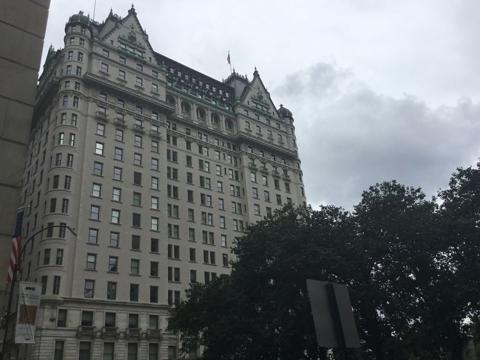
The hotel opened in 1907 on Grand Army Plaza at Fifth Avenue and Central Park South, and it is still a working hotel. The lobby and its restaurants are open to anyone, so this is among the easier finance-history sites to stand inside.
No plaque marks the meeting.
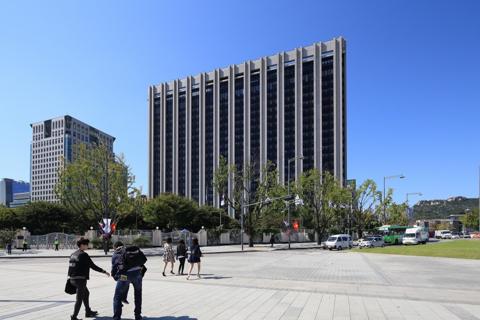
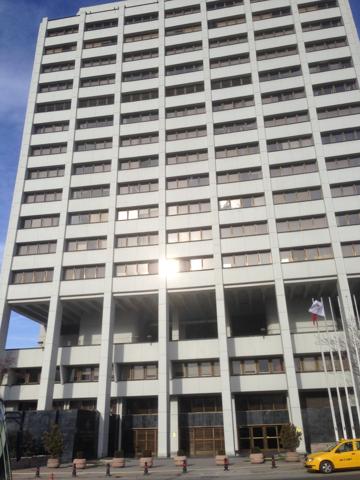
Photo: Kidfly182, CC BY-SA 4.0, via Wikimedia Commons.



 expand_more