Finance History | 交易廣場 Exchange Square, Central, Hong Kong, August 1998 — The Government Bought the Market to Save the Peg
volume_up
Listen
directions
Directions
The attack on Hong Kong in 1998 was designed so that the government would lose whichever way it responded.
Hong Kong runs a currency board. The Hong Kong dollar is pegged to the US dollar, and defending the peg is automatic: sell Hong Kong dollars in size and the monetary base contracts, so interest rates rise until selling stops.
Speculators built that mechanism into the trade. They sold Hong Kong dollars, which forced rates up, and at the same time they sold Hang Seng index futures short, knowing that high interest rates would push equities down.
If the authorities defended the peg, rates spiked and the short futures position paid. If they abandoned the peg, the currency collapsed and it paid anyway. This was called the double play.
It was working. The Hang Seng had fallen from 16,673 in August 1997 to 6,660 by 13 August 1998, and one-month interbank rates had reached around 20 per cent.
On 14 August the government did something no free-market administration was supposed to do. It began buying shares.
Over ten trading days the Exchange Fund bought the 33 constituent stocks of the Hang Seng Index, spending HK$118 billion, about 18 per cent of the fund's total assets at the time. The first day alone moved the index up 8.5 per cent.
The reasoning was that the futures leg could only pay if the index fell, so if the index could be held up through the August contract's settlement, the trade lost money and the pressure on the currency would go with it.
28 August was that settlement day. Turnover exceeded HK$79 billion, a record, and by the Monetary Authority's own account it was very nearly the only buyer in the market, because the amount it bought that day was close to the entire day's turnover.
The index closed around 7,830, roughly 18 per cent above where the intervention had started and about double the 4,000 level the speculators were said to be aiming for. Donald Tsang, the Financial Secretary, announced the end of the operation that day.
The criticism was immediate and it was not foolish. A government that buys its own blue chips has picked winners, and an academic study afterwards pointed out that the operation delivered a windfall to holders of those 33 stocks and to nobody else.
The shares were sold back down over the following years, at a profit, largely through a tracker fund created for the purpose.
Two things make this worth pairing with the Bangkok entry in this collection. Thailand's reserves turned out to be already committed and the peg broke; Hong Kong's were real and the peg held. And Hong Kong won by abandoning the orthodoxy that a monetary authority defends a currency only in the currency market.
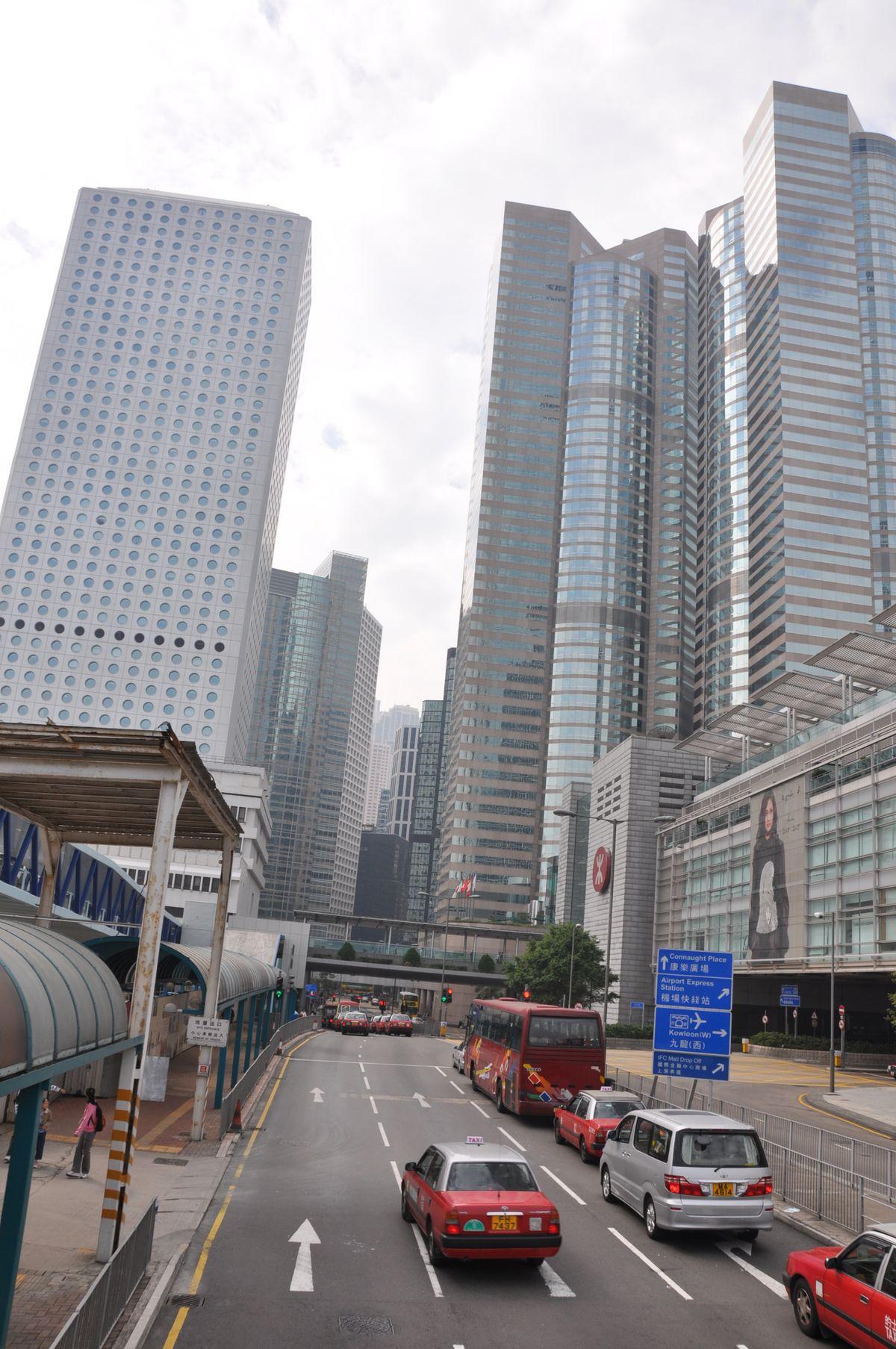
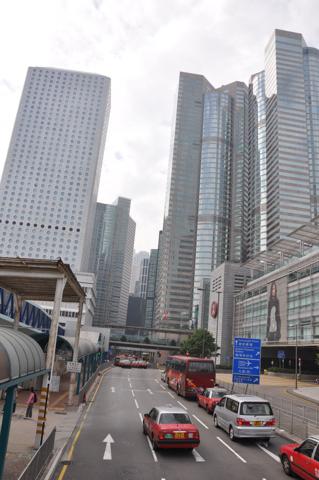
The buying happened on the floor of the Stock Exchange of Hong Kong, then in Exchange Square on Connaught Place, which is the pin. The Monetary Authority has occupied Two International Finance Centre a few hundred metres east only since 2001, so the operation was not run from the building most people now associate with it.
Cover photo: Jorge Láscar, CC BY 2.0, via Wikimedia Commons, showing Jardine House and the Exchange Square towers.
Coordinates 22.283937, 114.158108, resolved by Nominatim for 交易廣場 Exchange Square and matching Commons geotags on Connaught Road within about 20 m.



 expand_more