Finance History | Alþingishúsið, 6 October 2008 — Parliament Reordered a Collapsing Banking System
volume_up
Listen
directions
Directions
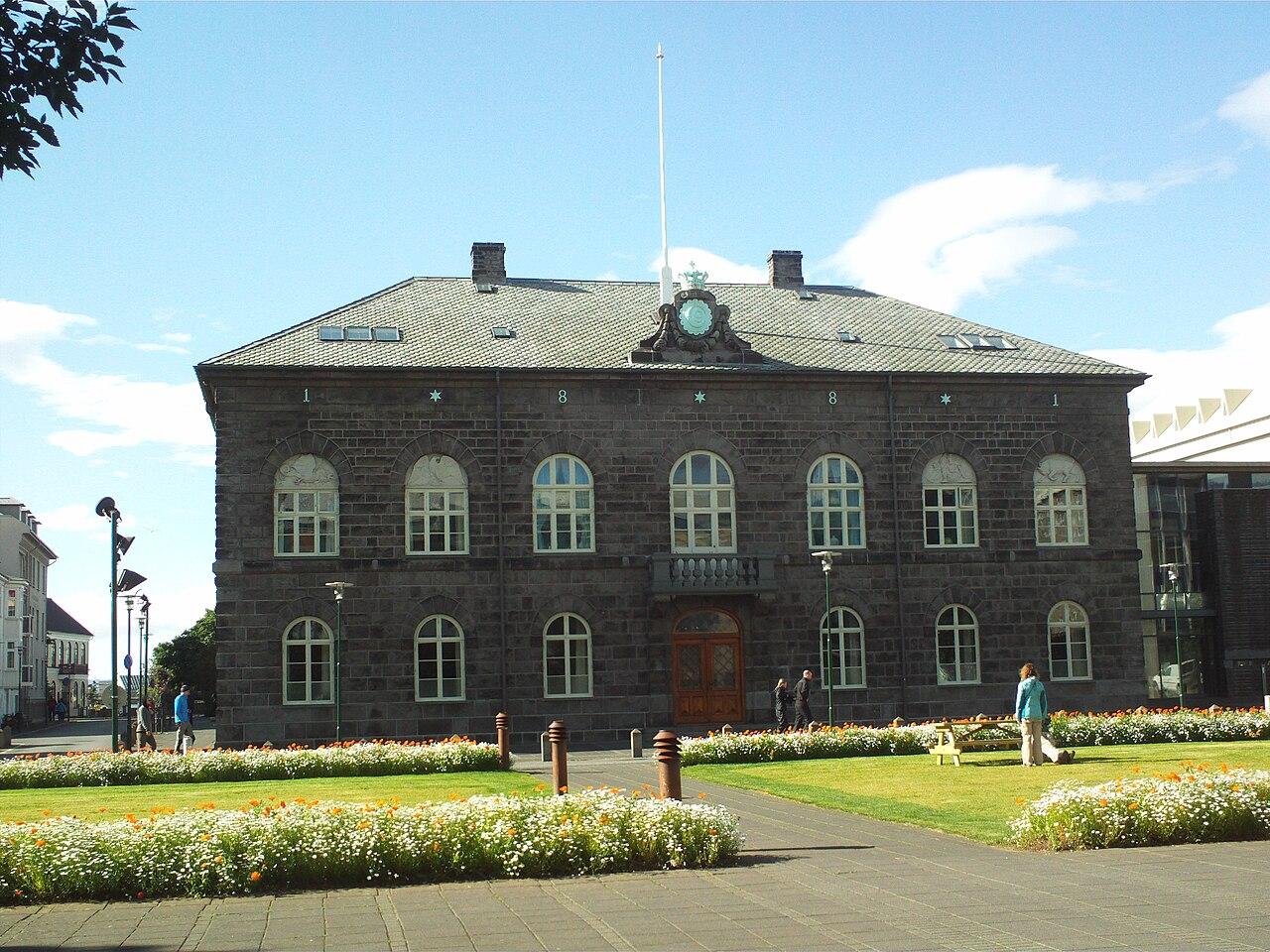
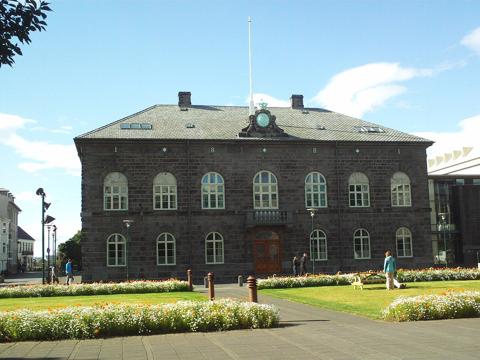
At 11:18 p.m. on 6 October 2008, Iceland's parliament approved emergency legislation at Alþingishúsið. The law supplied the legal machinery for separating domestic banking services from three institutions that could no longer fund themselves.
The immediate problem was larger than a temporary shortage of cash. Glitnir, Landsbanki, and Kaupthing had built balance sheets and foreign obligations that the Icelandic state and central bank could not credibly guarantee in full once wholesale funding disappeared.
Act No. 125 of 2008 gave the government authority to provide capital for a new financial company or take over all or part of an existing one under extraordinary market conditions. It also expanded the Financial Supervisory Authority's power to intervene.
Most consequentially, amendments made deposit claims rank ahead of ordinary unsecured claims in a bank resolution. That priority helped make it possible to move domestic deposits and selected assets into new banks while leaving many other claims in the old estates.
The law did not itself settle every depositor dispute. Iceland protected deposits in domestic branches, while the treatment of customers in foreign branches, especially Landsbanki's Icesave accounts in Britain and the Netherlands, became a prolonged international conflict.
Nor did parliamentary action preserve the old shareholders and creditors. The emergency framework was designed to keep payments, deposits, and basic banking functioning even as ownership was wiped out and losses were assigned through resolution.
Within days, the supervisory authority used the new powers to take control of the three largest banks. New institutions inherited much of their domestic business, while the failed cross-border structures entered complex winding-up proceedings.
The episode became an influential example of crisis triage. When a banking system is too large to rescue whole, the state may protect essential functions by drawing a legal boundary between operating banks and insolvent estates.
Alþingishúsið marks the moment that boundary was authorized. A late-night vote did not reverse Iceland's collapse, but it changed the order in which claims would be protected and gave officials a way to rebuild domestic banking before the old groups were fully resolved.
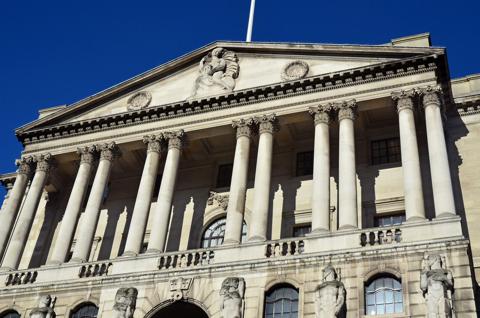
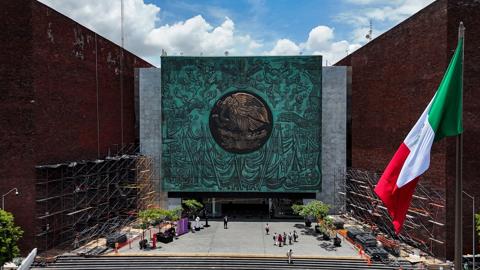
The accompanying photograph shows Alþingishúsið in Reykjavík; it is by Ypsilon from Finland and dedicated to the public domain under CC0 via Wikimedia Commons.










 expand_more