Finance History | Continental Illinois, 26 July 1984 — A Permanent Rescue Put Too Big to Fail into Public View
volume_up
Listen
directions
Directions
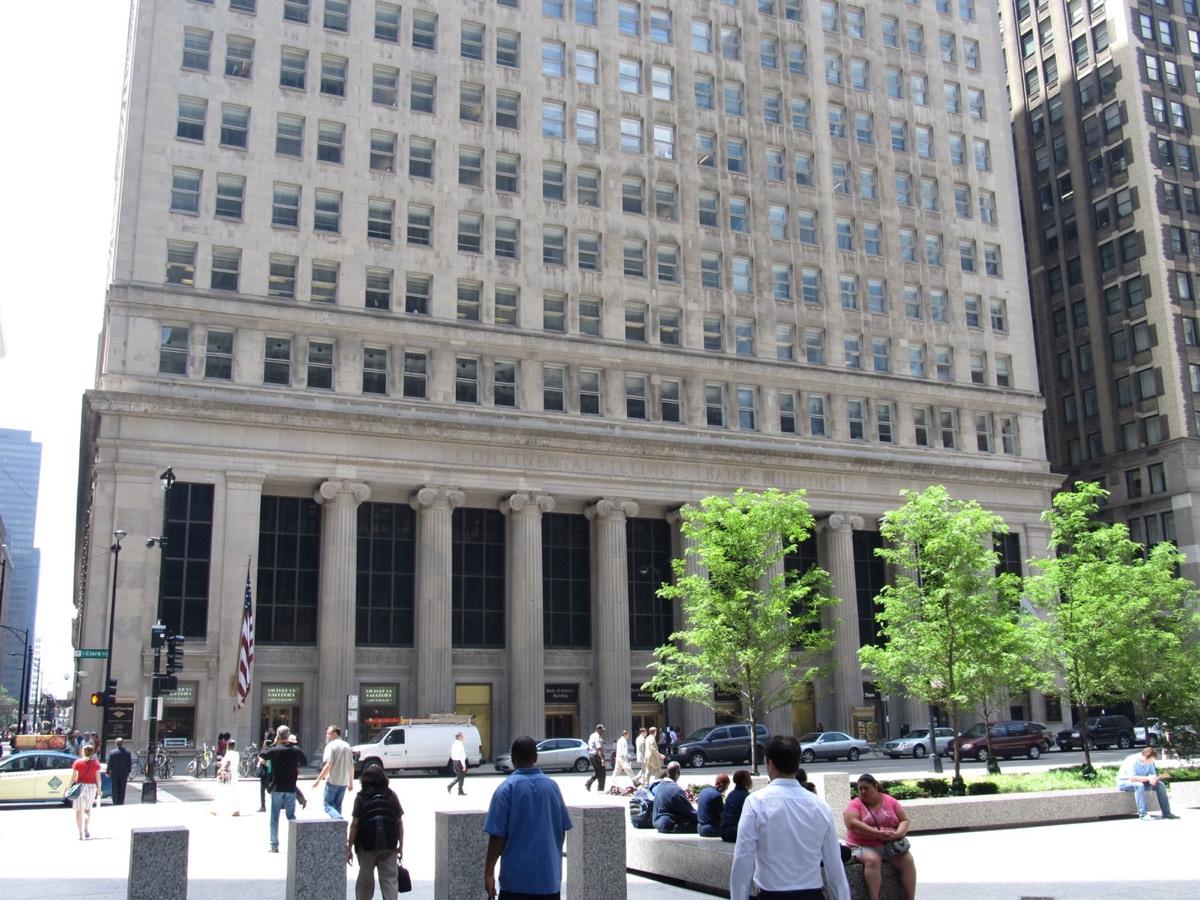
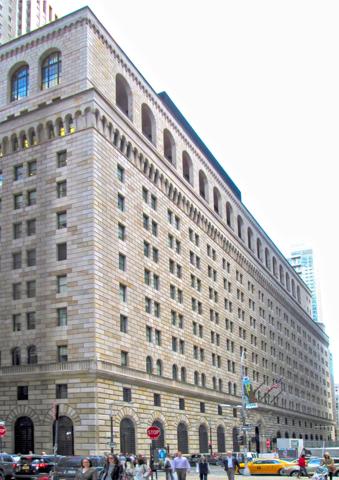
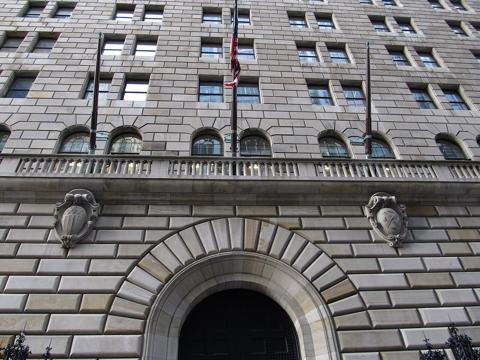
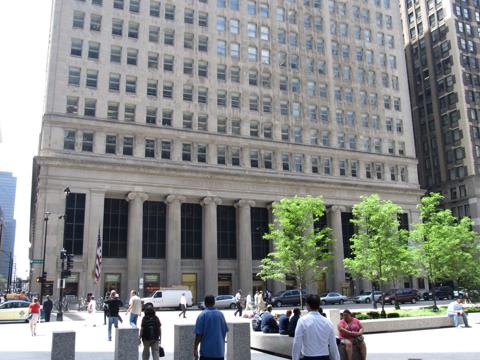
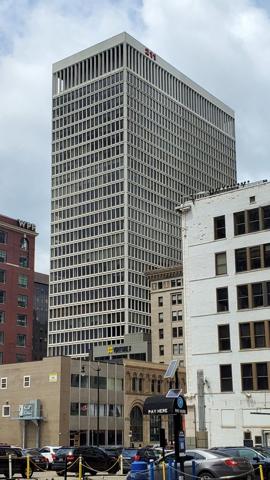
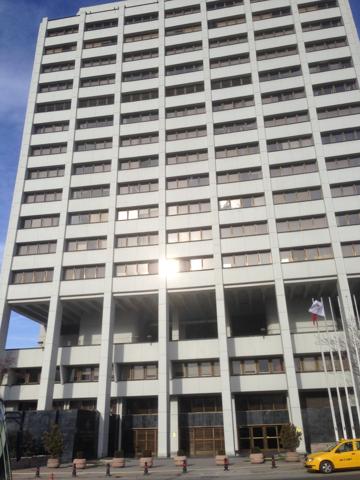
On 26 July 1984, U.S. regulators announced a permanent assistance package for Continental Illinois National Bank and Trust Company, headquartered at 231 South LaSalle Street in Chicago. The plan followed an emergency intervention in May that had kept the bank open during a rapid loss of funding.
Continental had expanded aggressively through corporate lending and purchased participations in energy loans originated by Penn Square Bank. When Penn Square failed in 1982, the poor quality of some of those assets became harder to ignore, weakening confidence in Continental’s balance sheet.
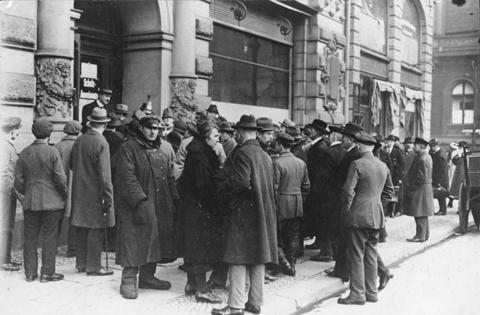
The immediate danger came from the liability side. Continental depended heavily on uninsured deposits and short-term wholesale funds, whose owners could transfer money without lining up at a branch; in May 1984, the bank lost roughly 30 percent of its funding in ten days.
Federal agencies first met the run with liquidity and an assurance that depositors and other general creditors would be protected. The July package went further: it supplied US$1 billion in 1984 dollars of new capital, removed several billion dollars of troubled loans, changed management, and set terms for longer public control.
The agreement became effective on 26 September 1984 after shareholder approval. Existing shareholders absorbed severe losses, while the Federal Deposit Insurance Corporation emerged with effective ownership of about 80 percent of the reorganized bank.
This was not a conventional closure. Authorities kept Continental operating because an abrupt failure could transmit losses and liquidity stress through correspondent banks, money markets, and other institutions that treated its obligations as cash-like assets.
That choice sharpened a policy dilemma. Protecting creditors could stop contagion, but it could also encourage large lenders to expect similar protection later; market discipline weakened if size and interconnectedness appeared to place an institution outside ordinary failure rules.
The episode helped make “too big to fail” part of the public vocabulary, though the phrase simplified a more precise concern about systemic consequences. The LaSalle Street building remains a marker of the moment when an electronic wholesale run forced regulators to choose between enforcing losses immediately and stabilizing the wider financial network.
Image: “Continental Illinois Bank Building, Chicago, Illinois (9179346541)” by Ken Lund, licensed CC BY-SA 2.0, via Wikimedia Commons.
















 expand_more